Guides · Japan
Hiroshima tickets
Ticket and booking rules for Hiroshima: timed entries, closing days and official links, checked September 2026.
Checked September 2026 against official sources
Hiroshima
Bookings and opening rules
Follow the official link before you buy. Full walking days: Hiroshima itinerary.
Opening hours and tickets
- The Peace Memorial Museum is open 7:30–19:00 from March to July and September to November, 7:30–20:00 in August (to 21:00 on August 5–6) and 7:30–18:00 from December to February; closed December 30–31 and for a few days in mid-February. Adults pay ¥200, high-school students ¥100, younger children free; the last hour of each day is by online reservation.Source: Hiroshima Peace Memorial Museum · checked Sep 2026
- Hiroshima Castle's main keep closed in March 2026 because of the deterioration of its concrete; the exterior can still be viewed. The restored Ninomaru buildings and the museum shop stay open, 9:00–17:30 from April to September and 9:00–16:30 from October to March, last entry 30 minutes before closing; entry to the Ninomaru buildings is free.Source: Hiroshima Castle, official site · checked Sep 2026
- Shukkei-en is open 9:00–18:00 from March 16 to September 15 and 9:00–17:00 from September 16 to March 15, with last entry 30 minutes before closing; closed December 29–31. General admission is ¥350, university students ¥150, schoolchildren free.Source: Shukkei-en, official site · checked Sep 2026
- The Orizuru Tower observatory and shop are open 10:00–18:00, with ticket sales and admission until 30 minutes before closing; adults pay ¥2,200, ages 12–17 ¥1,400, ages 6–11 ¥900 and ages 4–5 ¥600, plus ¥100 to post a crane on the Orizuru Wall.Source: Hiroshima Orizuru Tower · checked Sep 2026
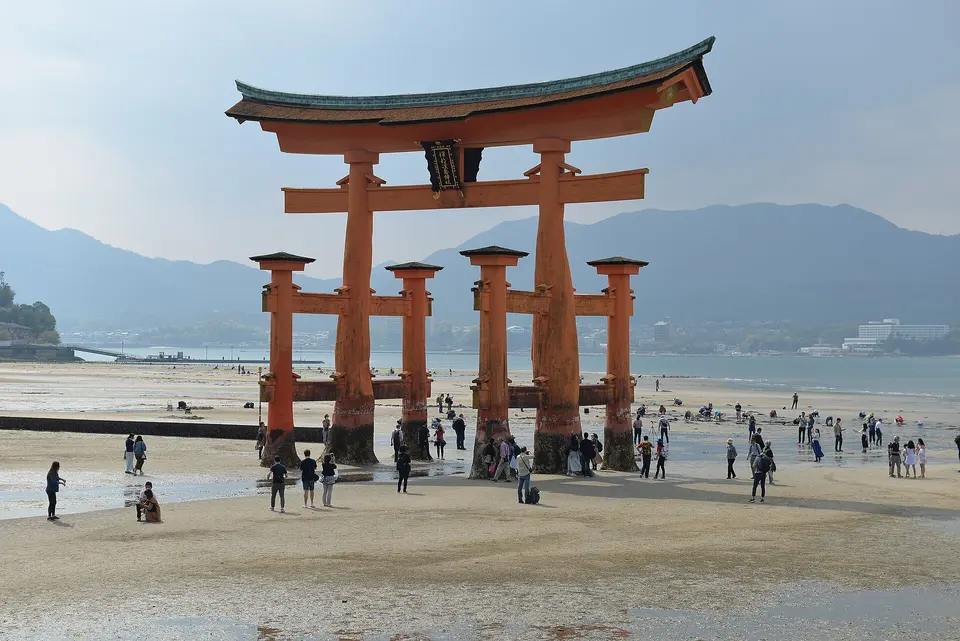
- Itsukushima Shrine is open 6:30–18:00 from March to October 14, 6:30–17:30 from October 15 to November 30 and 6:30–17:00 in December, with slightly different hours in January and February. Adults pay ¥300 for the shrine, ¥500 for the shrine and treasure hall together; the Senjokaku hall is ¥100 and open 8:30–16:30.Source: Itsukushima Shrine, official site · checked Sep 2026
- Everyone entering Miyajima by boat pays the Miyajima Visitor Tax of ¥100 per person per visit (preschool children exempt), collected with the boarding ticket or at the ticket gates; the JR Miyajima ferry costs ¥180 one way for adults, with the tax charged separately, and accepts the Japan Rail Pass and JR-West passes.Source: Miyajima Visitor Tax, Hatsukaichi City / JR Miyajima Ferry · checked Sep 2026
- The Miyajima Ropeway runs up from 9:00 to 16:00, with the final descent at 16:30; adult fares are ¥2,000 return and ¥1,100 one way. The walk from the top station to the summit of Mount Misen and back takes about an hour.Source: Miyajima Ropeway · checked Sep 2026
- Crossing the Kintai Bridge costs ¥500 for adults and ¥250 for children (one way), with the ticket office open 8:00–17:00 and later in season; the bridge is lit until 22:00 and accessible around the clock. A set ticket covering the bridge, the ropeway and Iwakuni Castle is ¥1,550 for adults and ¥700 for children.Source: Kintaikyo Bridge, Iwakuni City · checked Sep 2026
- Iwakuni Castle is open 9:00–16:45; admission is ¥350 for adults and ¥200 for children under 12, and the ropeway ¥330 one way or ¥560 return.Source: Iwakuni City Tourism · checked Sep 2026
On the day
What to watch at each stop
Kintai Bridge
- Crossing ¥500 (¥1,550 on a set ticket with the ropeway and castle); ticket office 8:00–17:00, lit until 22:00
Questions
Quick answers
Is 3 days enough for Hiroshima?
Three days cover the Peace Park and the museum, the castle grounds and the garden, a full day on Miyajima, Mitaki-dera and Iwakuni. A fourth day allows the Mazda Museum (free, booked online in advance), the naval town of Kure and its Yamato Museum, the hillside temples of Onomichi, or a second, quieter morning on Miyajima.
Which days should I plan around?
Everything in the plan is open daily; the Peace Memorial Museum closes only on December 30–31, Shukkei-en on December 29–31. What matters on Miyajima is the tide: the shrine looks as it should with water under it at high tide, and at low tide you can walk out to the torii. Check the tide table and put the shrine in the morning or the afternoon accordingly. Hiroshima Castle's main keep closed in March 2026 for earthquake safety; the grounds and the Ninomaru are open and free.
How much do the tickets cost?
The Peace Memorial Museum is ¥200, Shukkei-en ¥350, the Orizuru Tower ¥2,200, Itsukushima Shrine ¥300 (¥500 with the treasure hall), the Misen ropeway ¥2,000 return, Senjokaku ¥100, the Kintai Bridge ¥500 or ¥1,550 on a set ticket with the ropeway and castle. Miyajima charges a ¥100 visitor tax on the ferry, and the JR ferry is ¥180 each way, free with a Japan Rail Pass.
How do I get around?
The trams cover the city on a flat fare of ¥240, paid as you get off, and run to Miyajimaguchi too, more slowly than the JR train. JR trains serve Miyajimaguchi, Mitaki and Iwakuni and are covered by the Japan Rail Pass, as is the JR Miyajima ferry. The city centre itself is a 20-minute walk end to end.
The days these rules belong to
3 days in Hiroshima
Hiroshima's centre is flat and small, so day one is a single walk: the Atomic Bomb Dome at 8:30 before the school groups, the folded-crane wall of the Orizuru Tower next to it, the Peace Memorial Park and the museum, okonomiyaki for lunch, the castle grounds (the keep itself closed in March 2026), the garden of Shukkei-en and the Hondori arcade in the evening. Day two is Miyajima, timed to the tide: the shrine when the water is under it, Daisho-in's stairways, the ropeway and the summit of Misen, and the torii lit after dark. Day three goes out of town twice, to the three waterfalls and mossy statues of Mitaki-dera in the morning and by train to Iwakuni for the Kintai Bridge and the castle ropeway, back for oysters and bars in Nagarekawa. Check the Miyajima tide table before you fix the days.