Guides · India
Kolkata tickets
Ticket and booking rules for Kolkata: timed entries, closing days and official links, checked September 2026.
Checked September 2026 against official sources
Kolkata
Bookings and opening rules
Follow the official link before you buy. Full walking days: Kolkata itinerary.
Kolkata: hours and closed days
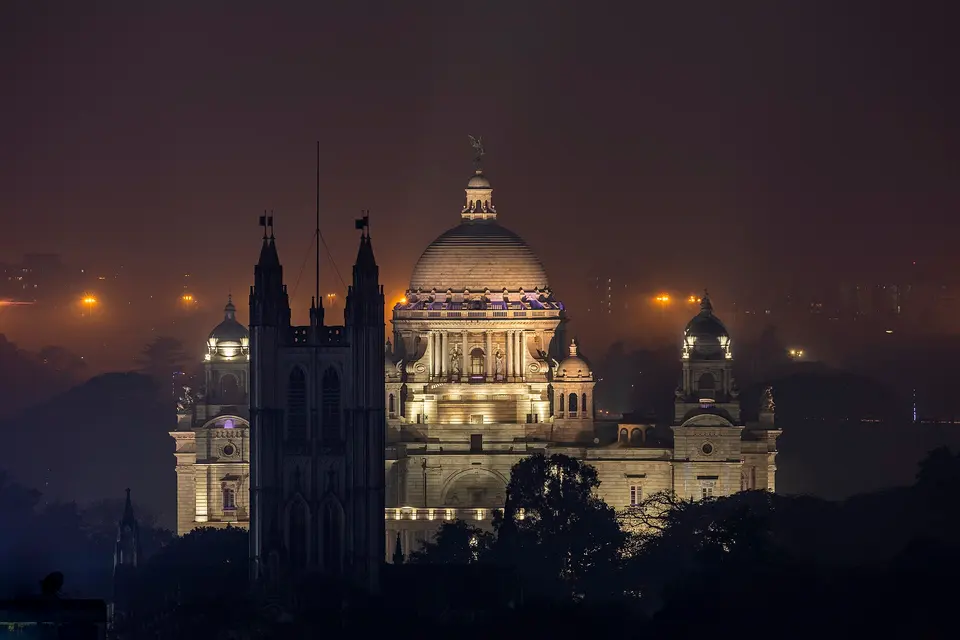
- The Victoria Memorial states opening hours of 10:00 to 18:00, with the museum galleries closed on Mondays and on designated national holidays. The gardens keep separate and longer hours, 06:00 to 18:00, and are ticketed separately.Source: Victoria Memorial Hall, Kolkata · checked Sep 2026
- The Indian Museum is open Tuesday to Sunday from 10:00 AM to 6:00 PM and states that all Mondays are closed. Its cafeteria, behind the main museum building, is open to visitors from 12:00 noon to 3 PM, and the library is open 10:00 AM to 5:00 PM on weekdays except Saturdays, Sundays and public holidays.Source: Indian Museum Kolkata — Visitors Information · checked Sep 2026
- The Indian Museum's published camera charges are 50 rupees for photography with a smartphone camera, 100 rupees with a DSLR, 2,000 rupees for a small video camera and 5,000 rupees for a camera with a stand. Tickets may be bought at the museum's own counter or online.Source: Indian Museum Kolkata — Visitors Information · checked Sep 2026
On the day
What to watch at each stop
Victoria Memorial
- The galleries are open 10:00 to 18:00 and close on Mondays and designated national holidays; the gardens open at 06:00 and are a separate, cheaper ticket that Calcutta uses as a park
Indian Museum
- Open Tuesday to Sunday from 10:00 to 18:00 and closed on all Mondays; photography is charged separately at 50 rupees for a smartphone and 100 for a DSLR, and the cafeteria behind the main building opens 12:00 to 15:00
Eden Gardens and the Maidan
- The stadium can usually be seen from outside and tours run on non-match days; match tickets sell out immediately and are worth the effort. The Maidan is free and always open, and the walk across it at sunset is the point
Marble Palace
- Free but a permit is required in advance from the West Bengal Tourism office, generally 24 hours ahead; it is closed on Mondays and Thursdays, photography is not allowed inside, and the guides expect a tip
Jorasanko Thakur Bari
- Ticketed, open Tuesday to Sunday with a midday break in some seasons and closed on Mondays; photography inside is not permitted and bags go in a locker. Allow an hour, more if you read Bengali
Questions
Quick answers
What is the best time of year to visit Kolkata?
November to February, when it is dry and sits between 15°C and 27°C and the city is at its most liveable. October is Durga Puja — extraordinary, and also the hardest time to find a room or move around. March to June is hot and increasingly humid, and the monsoon from June to September brings serious rain and waterlogged streets. The Kolkata Book Fair in late January and the December jazz and film festivals all fall in the good months.
Do you need a permit for the Marble Palace?
Yes, and it catches people out. Entry is free but requires a permit obtained in advance from the West Bengal Tourism office, generally 24 hours ahead; without it you may be turned away at the gate, though in practice a tip sometimes settles it. The house is closed on Mondays and Thursdays, photography inside is not allowed, and you are taken round by a guide who will expect something at the end. It is worth the paperwork — there is nothing else quite like it in India.
Is Durga Puja worth planning a trip around?
If you can get a room, yes. For five days in late September or October the city builds several thousand pandals — temporary pavilions, some of them serious pieces of architecture and installation art — installs the Kumortuli idols in them, and stays awake. It is free, it is everywhere, and the whole city walks from pandal to pandal through the night. The costs are real: hotels double or triple, trains and flights book out months ahead, and moving across the city takes hours.
The days these rules belong to
3 days in Kolkata
Kolkata was three villages on a bend of the Hooghly when the East India Company settled there in 1690; by 1772 it was the capital of British India and by the nineteenth century the second city of the empire, which is why it has more Victorian public architecture than anywhere else in Asia. It was also where modern India began to think: the Bengal Renaissance, the Asiatic Society, the reformers and the novelists and the Tagores all came out of these streets, and the city has never stopped taking ideas seriously. The capital moved to Delhi in 1911 and the money followed, and what is left is a city of about fifteen million that is shabbier, cheaper, more crowded and considerably more interesting than the places that overtook it.