Guides · Cambodia
Siem Reap tickets
Ticket and booking rules for Siem Reap: timed entries, closing days and official links, checked September 2026.
Checked September 2026 against official sources
Siem Reap
Bookings and opening rules
Follow the official link before you buy. Full walking days: Siem Reap itinerary.
Tickets and opening days
- Phare, the Cambodian Circus performs at 20:00 year-round, a one-hour show followed by photos with the performers, with seasonal 17:00 matinees on Wednesdays, Fridays and Sundays from November 2026 to March 2027; tickets are US$38 (section A, reserved), US$28 (section B) and US$18 (section C) for adults and US$18, 15 and 10 for children aged 5 to 11, and the grounds open at 17:30 for street food, drinks and shopping.Source: Phare, the Cambodian Circus · checked Sep 2026
- The Cambodia Landmine Museum on the road to Banteay Srei is open every day 7:30 to 17:30; admission is US$7 for foreign adults and US$2.50 for Khmer adults, free for children under 13.Source: Cambodia Landmine Museum · checked Sep 2026
On the day
What to watch at each stop
Angkor Wat
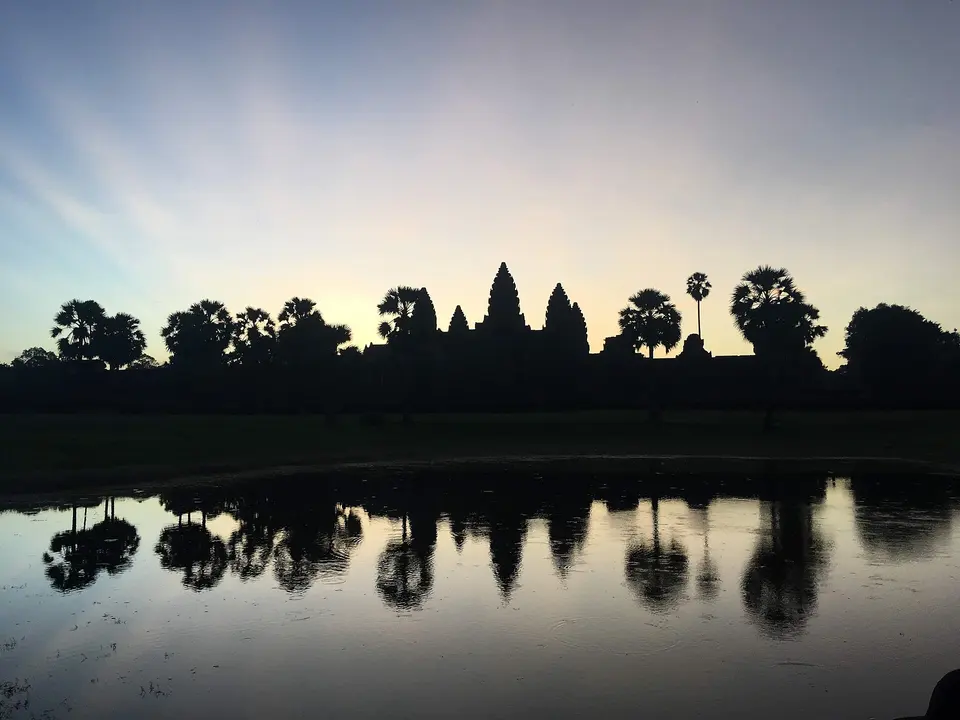
- Open from 5:00; 3-day Angkor Pass about US$62; shoulders and knees covered, the Bakan closed on Buddhist holy days
Angkor Thom and the Bayon
- Opens about 7:30; on the Angkor Pass; the Bayon is emptiest right after opening and again after 15:00
Ta Prohm
- Opens about 7:30, closes about 17:30; on the Angkor Pass; one-way route, allow 45 minutes to an hour inside
Banteay Kdei and Srah Srang
- On the Angkor Pass; 30 to 45 minutes; the stalls at Srah Srang sell drinks and snacks
Phnom Bakheng
- Climb from 16:30, 300 people limit, closed about 19:00; on the Angkor Pass; shoulders and knees covered, no climbing after dark
Banteay Srei
- Opens about 7:30, closes about 17:30; on the Angkor Pass; allow an hour on the road each way by tuk-tuk
Preah Khan
- Opens about 7:30, closes about 17:30; on the Angkor Pass; walk west to east so the tuk-tuk can collect you
Neak Pean
- On the Angkor Pass; 30 minutes; the causeway is closed when the water is too high
Pre Rup
- Kept open for sunset until about 19:00; on the Angkor Pass; steep stairs, take a torch for the way down
Questions
Quick answers
Is 3 days enough for Siem Reap?
Three days cover the two circuits of Angkor, Banteay Srei, the town and the lake, which is what the 3-day pass is designed for. A fourth day is the jungle temple of Beng Mealea, 65 km east and covered by the same pass, or the carved riverbed of Kbal Spean and the waterfall of Phnom Kulen, which needs a separate ticket, or the Roluos group of 9th-century temples on the way to the lake. The Angkor National Museum on the road to the park is the best use of a rainy afternoon.
Which days should I plan around?
The temples open every day of the year, so the planning is about hours and light: Angkor Wat opens at 5:00 for sunrise and the small-circuit temples close around 17:30, with Phnom Bakheng and Pre Rup kept open for sunset. Phare performs every night at 20:00 and adds 17:00 matinees on Wednesdays, Fridays and Sundays from November to March. The Landmine Museum is open daily 7:30 to 17:30. The Old Market is a morning place. Khmer New Year in mid-April and the Water Festival in November fill the town and close the shops for days.
How much do the tickets cost?
The Angkor Pass is about US$37 for one day, US$62 for three days within ten and US$72 for seven days within a month, free under 12 with a passport, sold only by Angkor Enterprise online or at the ticket office on the Apsara road, open from 4:30 to 17:30, with a photo taken at the counter. The Landmine Museum is US$7 and free under 13. Phare is US$38, 28 or 18 depending on the section, half for children. Artisans Angkor's workshop tours are free. The Kampong Phluk boat is around US$20 a person plus a small community fee, more if you add the mangrove canoe. Angkor National Museum is about US$12.
How do I get around?
By tuk-tuk hired by the day: around US$20 to 30 for the small circuit, US$25 to 35 for the grand circuit and about US$10 to 15 more for Banteay Srei, a little more for a sunrise start, agreed the evening before and paid at the end, with the driver waiting at each temple. Cars with air conditioning cost about twice that. The Grab and PassApp apps give fixed prices for town rides. Bicycles and e-bikes are rented in town for the flat 6 km to Angkor Wat but the circuits are 20 to 30 km in the heat. The airport is 40 km west of town, about an hour by taxi.
What are the rules inside the temples?
Shoulders and knees covered for everyone, checked at Angkor Wat, the Bayon and Banteay Srei and enforced at the stairs to the Bakan, the top tier of Angkor Wat, where a scarf over a vest does not count; no climbing on the stones, no touching the carvings, no drones without a permit, and the pass shown at every checkpoint. The Bakan is closed on Buddhist holy days. Only 300 people at a time are allowed on Phnom Bakheng, so sunset there means being at the foot of the hill by 16:30.
How much walking is this itinerary?
About 6 km on day one, most of it inside Angkor Wat, Angkor Thom and Ta Prohm plus the 15-minute climb of Phnom Bakheng; about 5 km on day two, with the long corridors of Preah Khan and the stairs of Pre Rup; and about 3 km on day three in town before the boat. The walking is on stone, sand and steep temple stairs, in heat, so hats, water and closed shoes matter more than distance.
The days these rules belong to
3 days in Siem Reap
Everything at Angkor is done by tuk-tuk, hired by the day, and the 3-day Angkor Pass, valid on any three days within ten, is the ticket for days one and two; buy it online from Angkor Enterprise or at the ticket office on the Apsara road the afternoon before, because the office is the only seller and tickets are checked at every temple. Day one is the classic small circuit with a 5:00 start for sunrise; day two goes 35 km north to Banteay Srei before the grand circuit, so it is the longer tuk-tuk day; day three needs no pass, only a car or tuk-tuk for the 30 km to Kampong Phluk, where the boat price depends on the season and the water. Shoulders and knees must be covered inside the temples, and the top tier of Angkor Wat and the Bakheng summit turn away anyone who is not. The rains run from May to October and make the lake trip its best; the dry months from November to March are cool and busy; April and May are the hottest.