City itineraries · United States
Austin, day by day
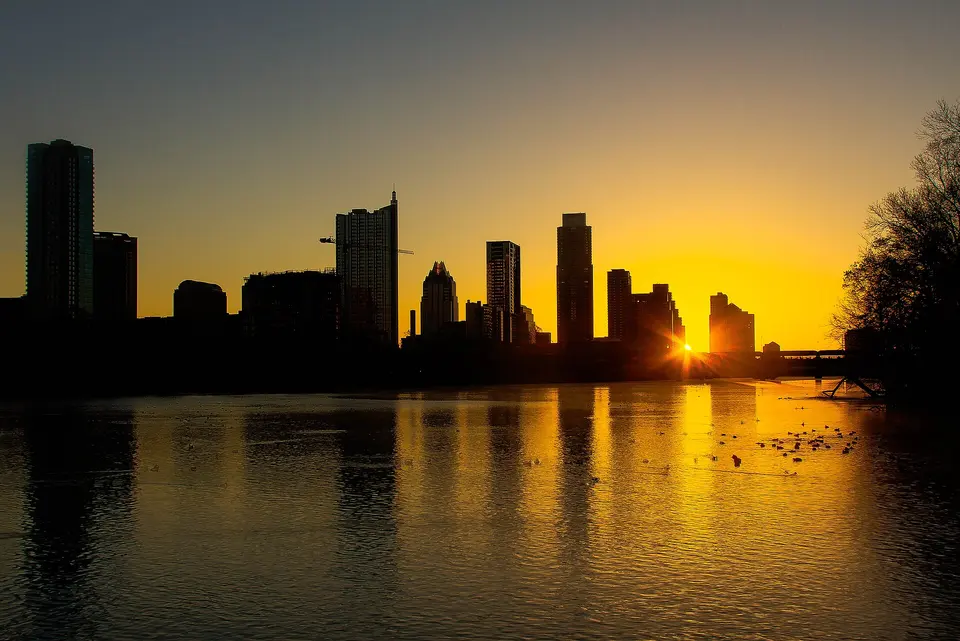
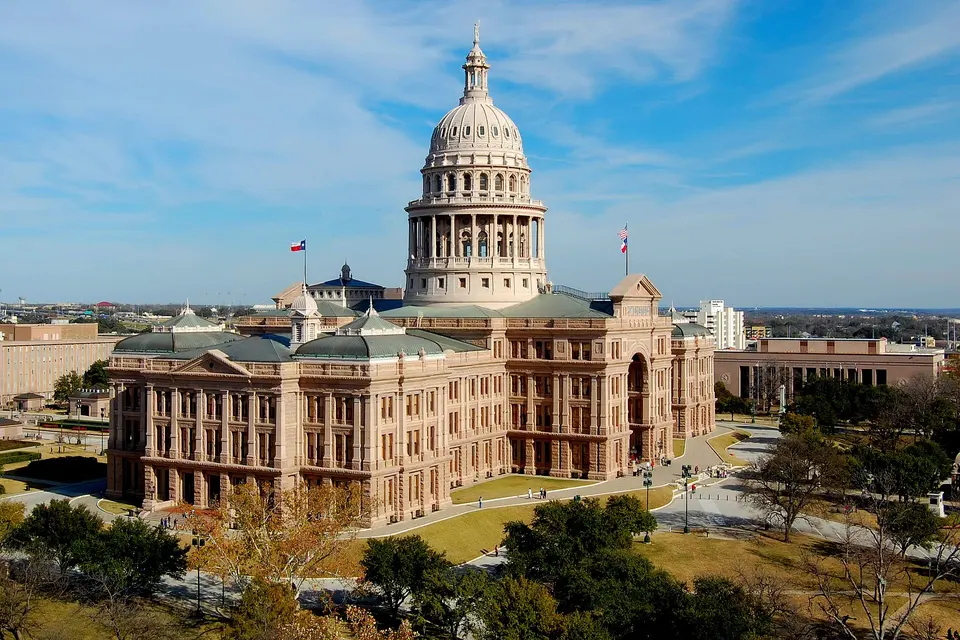
Austin has a capitol taller than Washington's, a spring-fed swimming pool that holds at 20 degrees all year, and 1.5 million bats under a downtown bridge. These plans cover the Capitol and the museums, Zilker and the water, and the edges of the city where the older character survives.
Updated 13 September 2026 · 5 official sources checked · report an error
Choose your length
3 days in Austin
Before you go
Good to know in Austin
The Capitol corridor museums
- The Bullock Texas State History Museum is open daily from 10:00 to 17:00. Its exhibitions close on Thanksgiving, Christmas Day, New Year's Day and Easter, and the IMAX theatre closes on selected holidays. Museum admission covers all galleries and children aged five and under enter free.Source: Bullock Texas State History Museum — Visit · checked Sep 2026
Zilker and McKinney Falls
- Zilker Botanical Garden runs seasonal hours: 09:00 to 17:00 with last entry at 16:30 from September to May, and 08:00 to 16:00 with last entry at 15:30 from June to August. Admission for Austin residents is $6 for adults, $5 for visitors 62 and over and $3 for young people aged 3 to 17, with higher non-resident rates.Source: Zilker Botanical Garden — Hours and Admission · checked Sep 2026
Keep exploring