3-day itinerary · United States

3 Days in Philadelphia

A realistic first-timer plan that spends day one in the historic district, from the timed tour of Independence Hall and the Liberty Bell to lunch in the Reading Terminal Market, the Museum of the American Revolution, the oldest street in the country at Elfreth's Alley and the flag-maker's house, ending on the Delaware at Spruce Street Harbor Park; walks the Benjamin Franklin Parkway on day two, up the Rocky steps into the Museum of Art, past the Rodin garden to the Barnes and its walls of Renoir and Cézanne, into the crumbling cellblocks of Eastern State Penitentiary and down to the lit boathouses on the Schuylkill; and takes day three south and west, to the mosaics of the Magic Gardens, the stalls and the cheesesteaks of the Italian Market, the tower of City Hall, the specimens of the Mütter and the terraces of Rittenhouse Square. Every stop comes with walking distances, the ticket rules and the closing days that matter in 2026.

  • 3days
  • 17sights
  • 11.1 kmon foot between sights

Updated 12 September 2026 · 9 official sources checked · report an error

Independence Hall
Photo: Mys 721tx, CC BY-SA 3.0

The historic district, then the Parkway museums and the penitentiary, then South Philly and Center City

Philadelphia is a grid, and the three days are three walks. Day one is Old City, where everything sits within a kilometre of Independence Hall; the hall itself needs a timed ticket from March to December, reserved on Recreation.gov for a dollar or picked up at the visitor centre on the morning, and the first hour of the day is an open house without tickets. Day two is the Parkway, 2 km from City Hall to the museum, and the Barnes and the Museum of Art both close on Tuesdays and Wednesdays, so it is a Thursday-to-Monday day; the Magic Gardens closes on Tuesdays and the Mütter on Tuesdays too. Day three is South Street, the Italian Market and back into Center City on foot. SEPTA's buses and subway cost $2.90 a ride with a contactless card and the airport train about $8.75. In 2026 the city is the centre of the 250th-anniversary celebrations and the historic district will be busier than usual, with the FIFA World Cup matches in June and July; book Independence Hall and the Barnes ahead.

At a glance

Ways to use these days

If it rains
3 of the stops are indoors — Museum of the American Revolution · Philadelphia Museum of Art and the Rocky steps · Barnes Foundation
Lightest day on foot
Day 2 — 3.1 km between stops
Most walking
Day 3 — 4.2 km

Day 1

The historic district: Independence Hall, the Liberty Bell, Reading Terminal Market, the Revolution museum, Elfreth's Alley, the Betsy Ross House and the waterfront

Be at Independence Hall for the ticketless open house at 9:00 or your timed tour, see the Liberty Bell without a ticket next door, walk up to the Reading Terminal Market for lunch among the Amish stalls, come back down for the Museum of the American Revolution, the 1700s houses of Elfreth's Alley and the Betsy Ross House, and end on the Delaware with the hammocks and lights of Spruce Street Harbor Park.

  • 7 sights
  • 3.9 km on foot
  • Longest walk 1.3 km
1234567250 mN
Stops in order, straight-line distancesRoute in Google Maps ↗

Morning

Independence Hall
Photo: Mys 721tx, CC BY-SA 3.0
1Historic building

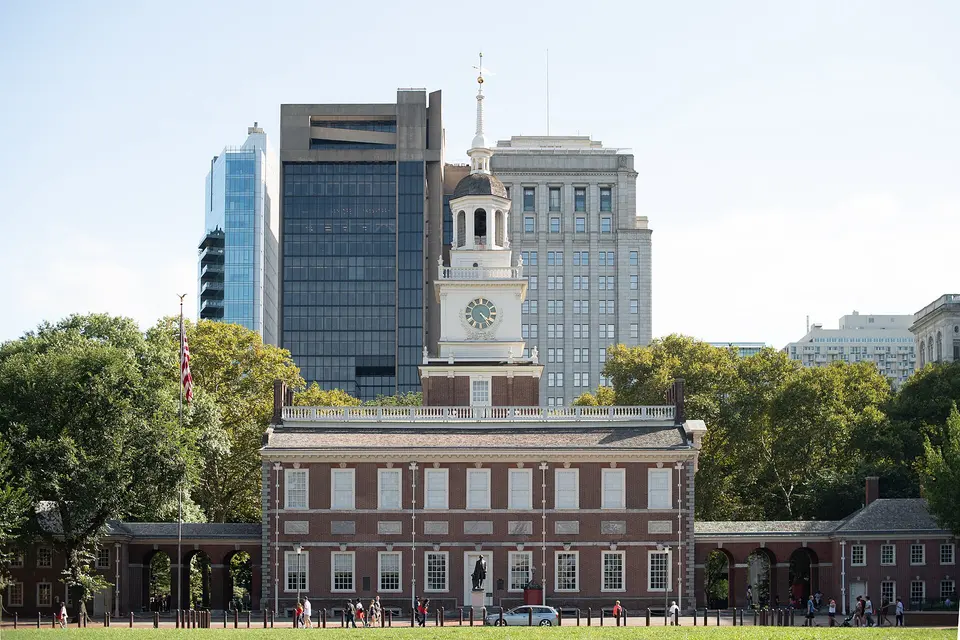
Independence Hall

The Georgian brick State House of Pennsylvania, finished in 1753, is where the Second Continental Congress adopted the Declaration of Independence on 4 July 1776 and where the Constitution was signed in September 1787, and the ranger-led tour takes you into the Assembly Room, restored to that summer with Washington's rising-sun chair and the silver inkstand, and the courtroom across the hall; the tour takes about 20 minutes and the queue for security longer. From March to December it needs a timed ticket, free with a $1 reservation fee on Recreation.gov up to 30 days ahead, or collected at the Independence Visitor Center on the day, except during the 9:00 open house when the doors are simply open; Congress Hall next door, where the first Congresses met, is free without tickets, and the whole park is a UNESCO site.
  • Plan about 1 h 15 min
  • Daily; open house 9:00–9:50 without tickets, tours every 20 minutes 10:00–16:00 with tickets; free, $1 reservation fee on Recreation.gov, tickets required Mar–Dec
Right next door
Liberty Bell Center
Photo: Mys 721tx, CC BY-SA 3.0
2Historic monument

Liberty Bell Center

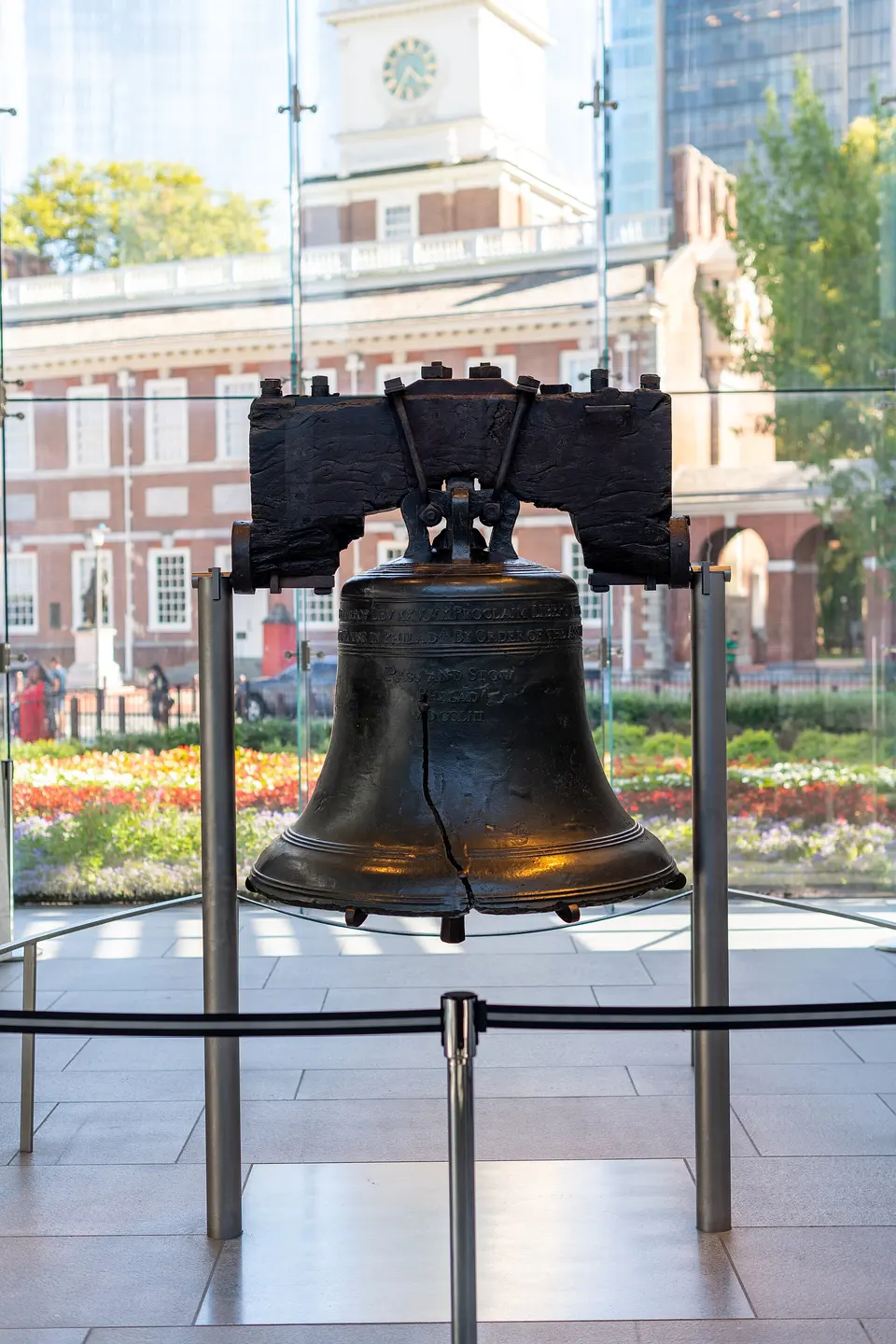
The bell cast in London in 1752 for the State House steeple, cracked on its first ringing, recast in Philadelphia and cracked again in the 1840s, became the symbol of abolition and then of the nation, and hangs in a glass pavilion opposite Independence Hall with the hall framed behind it, at the end of an exhibition on how it was adopted by every movement for freedom since; there are no tickets, entry is free and first-come, and the security line is shortest first thing and in the last hour. The Independence Visitor Center across the street is where the hall's same-day tickets and the park's maps are.

  • Plan about 45 min
  • Daily 9:00–17:00, free, no tickets; security screening closes 5 minutes before

Midday

860 m · about 13 min on foot
Reading Terminal Market
Photo: ajay_suresh, CC BY 2.0
3Market

Reading Terminal Market

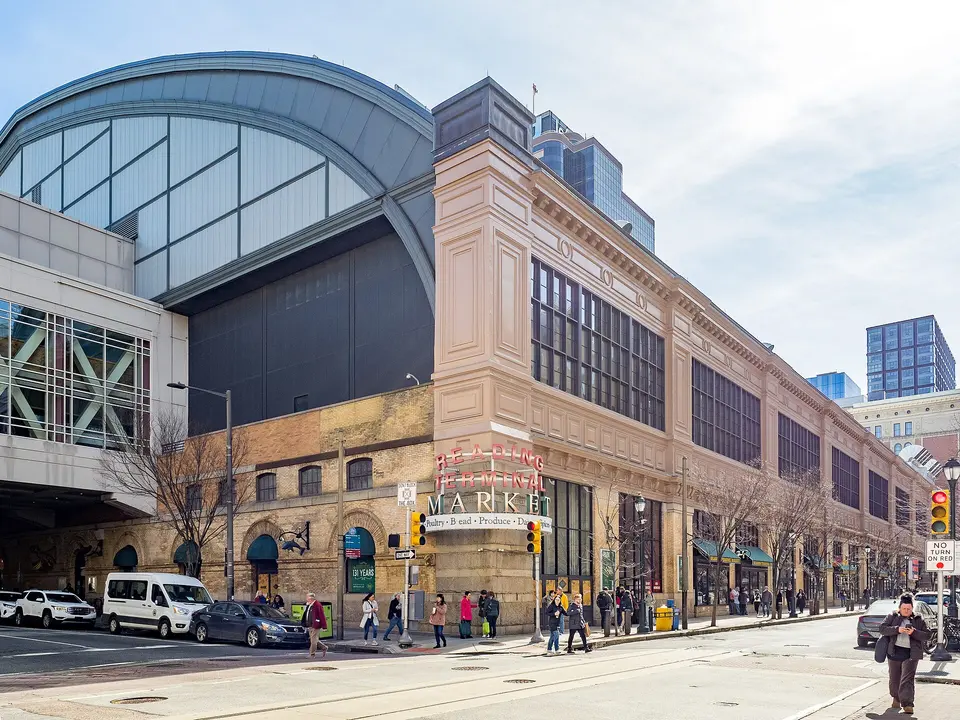
Under the train shed of the Reading Railroad's terminal of 1893, the city's market has been trading since it opened and is now 80 stalls under one roof, with the Pennsylvania Dutch corner of Amish and Mennonite farmers selling scrapple, pretzels and shoofly pie from Wednesday to Saturday, the roast pork sandwich of DiNic's, the cheesesteaks of Carmen's, Bassett's ice cream that has been here since day one, oysters, Beiler's doughnuts and the produce, meat, cheese and spice counters that the restaurants buy from; lunch is a tray carried to the shared tables in the middle, and the queues move fast. It is a 15-minute walk from Independence Hall up Market Street.

  • Plan about 1 h 15 min
  • Daily 8:00–18:00; free to enter; the Amish stalls are closed Sunday to Tuesday; 12th and Arch Streets

Afternoon

1.3 km · about 20 min on foot
Museum of the American Revolution
Photo: Kreuz und quer, CC0
4Museum

Museum of the American Revolution

Two blocks from the hall, the museum opened in 2017 tells the war from the Stamp Act to the Constitution through objects and full-size scenes, a Boston liberty tree, a privateer's deck, the Oneida council, Washington's own headquarters tent unveiled in a theatre at the end, and the stories of the Black, Native and women's Revolution that the old telling left out; it takes two hours, and the ticket is good for two consecutive days. In 2026, the anniversary year, its programme is the fullest in the city.

  • Plan about 2 h
  • Daily 9:30–17:00; about $25–27 adults, $14 ages 6–17, valid two consecutive days; 101 South 3rd Street
570 m · about 9 min on foot
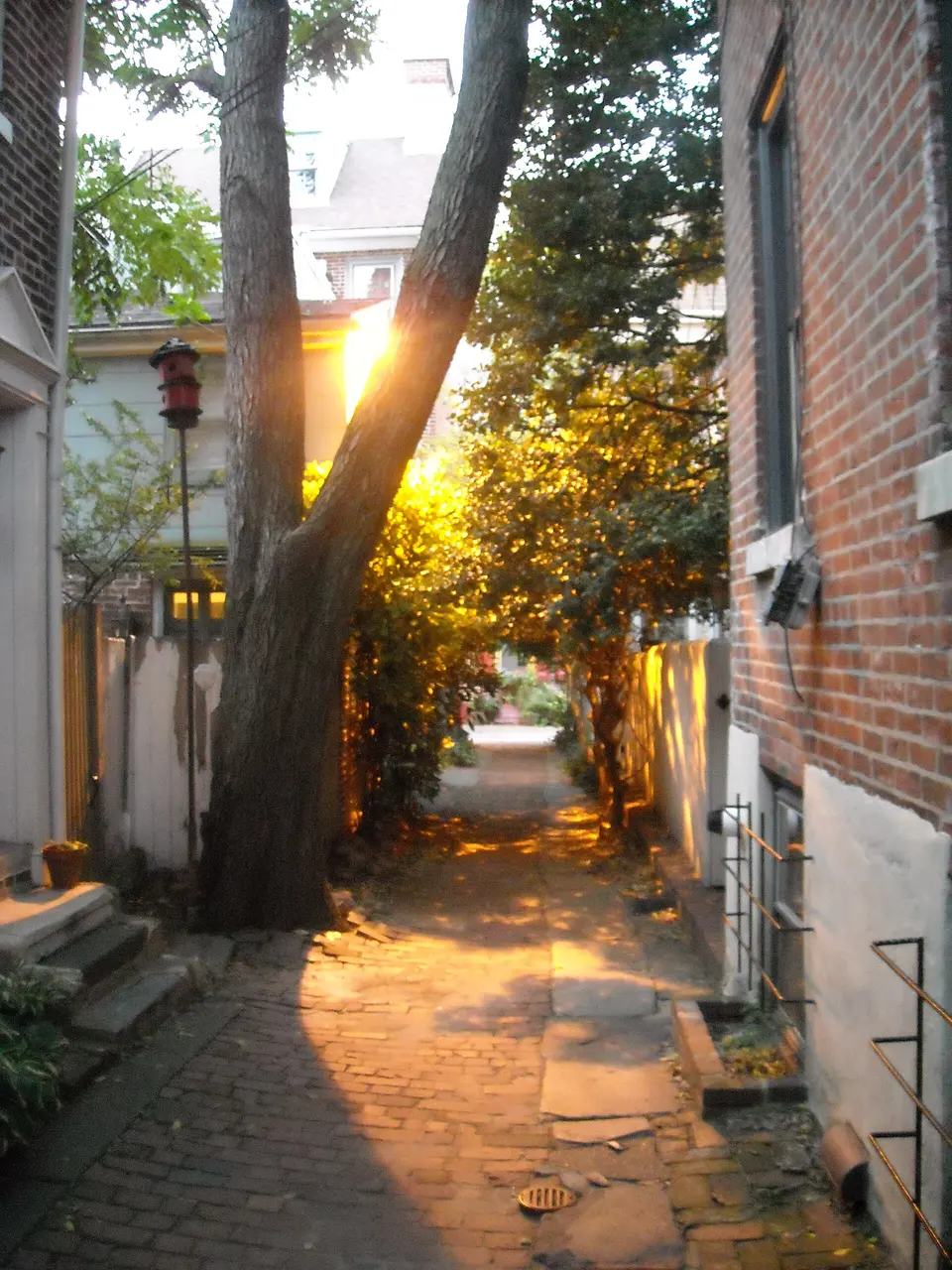
Elfreth's Alley
Photo: Elisa Rolle, CC BY-SA 3.0
5Historic street

Elfreth's Alley

The oldest continuously inhabited residential street in the country, a cobbled lane of 32 brick houses built between 1703 and 1836 for the artisans, sea captains and dressmakers of the port, with shutters, boot scrapers, bootscrapers and flower boxes, and people still living behind the doors, is a two-minute walk that everyone takes and a free one; two houses, numbers 124 and 126, are the small museum of the street's working life, open on weekends and in season. Christ Church, where Washington and Franklin worshipped, and the Betsy Ross House are round the corner.

  • Plan about 30 min
  • Free to walk any time; museum houses at 124–126 open Fri–Sun in season, small fee; residents live here, be quiet
200 m · about 3 min on foot
Betsy Ross House
Photo: ajay_suresh, CC BY 2.0
6Historic house

Betsy Ross House

The small brick house on Arch Street where the upholsterer Elizabeth Griscom Ross is said to have sewn the first stars-and-stripes flag for Washington in 1776, a story her grandson told a century later and historians argue about, is a nine-room tour of an 18th-century working woman's home, with her grave in the courtyard and, on most days, a costumed Betsy at her workbench answering questions; it takes half an hour and the audio tour is worth the extra dollars. The courtyard and the flag shop are free.

  • Plan about 45 min
  • Daily 10:00–17:00 in season, closed Mon–Tue in winter; about $10 self-guided, more with audio; 239 Arch Street

Evening

900 m · about 14 min on foot
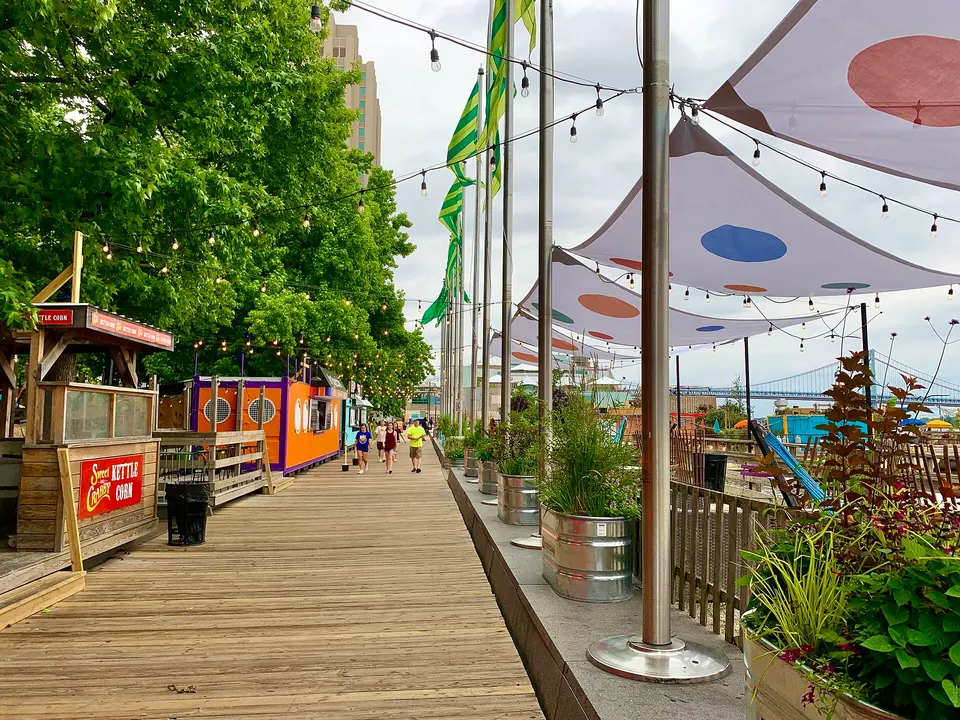
Spruce Street Harbor Park and Penn's Landing
Photo: LittleT889, CC BY-SA 4.0
7Waterfront park

Spruce Street Harbor Park and Penn's Landing

On the Delaware, below the highway that cuts Old City from its river, Penn's Landing is the waterfront of the tall ships and the Independence Seaport Museum, and from May to September its southern marina becomes Spruce Street Harbor Park, a pop-up of hammocks under strings of coloured lights, floating gardens on barges, beer gardens, food stalls and games that is the city's summer living room; in winter the same site becomes a skating rink and cabins, and Cherry Street Pier to the north keeps its artists' studios and bar open all year. The new park capping the highway, opening for 2026, joins it to Independence Mall at last.

  • Plan about 2 h
  • Free; harbor park open May–Sep, evenings until about 23:00; winterfest with skating Nov–Feb; the Seaport Museum next door is ticketed

Day 2

The Parkway: the Museum of Art and the Rocky steps, the Rodin, the Barnes, Eastern State Penitentiary and Boathouse Row

Run or walk the 72 steps for the view down the Parkway, spend the morning with the Duchamps, the arms and armour and the period rooms of the Museum of Art, walk down past the Thinker in the Rodin garden to the Barnes and its walls of Renoir, Cézanne and Matisse, cross Fairmount to the vaulted cellblocks of Eastern State Penitentiary, and finish along the river as the boathouses light up.

  • 5 sights
  • 3.1 km on foot
  • Longest walk 1.3 km
12345250 mN
Stops in order, straight-line distancesRoute in Google Maps ↗

Morning

Philadelphia Museum of Art and the Rocky steps
Photo: Meihe Chen, CC BY-SA 4.0
1Art museum

Philadelphia Museum of Art and the Rocky steps

The Greek temple at the top of the Parkway, opened in 1928, is one of the largest museums in the country: Duchamp's Large Glass and his last, secret work, Cézanne's Bathers, Van Gogh's Sunflowers, the arms and armour, a Japanese teahouse, a medieval cloister and an Indian temple hall rebuilt inside, the Frank Gehry reworking of the ground floor of 2021, and the Rodin Museum and two Fairmount Park houses on the same ticket, which is good for two days; the 72 steps outside are free, filmed by Rocky in 1976 and run by everyone since, with the statue at the bottom right and the view down the Parkway to City Hall the reward. Friday nights are late, with music and pay-what-you-wish admission.

  • Plan about 3 h
  • Thu, Sat–Mon 10:00–17:00, Fri 10:00–20:45, closed Tue–Wed; about $30 adults, free under 18, pay what you wish Friday evenings and first Sundays; ticket valid two days and includes the Rodin
770 m · about 12 min on foot
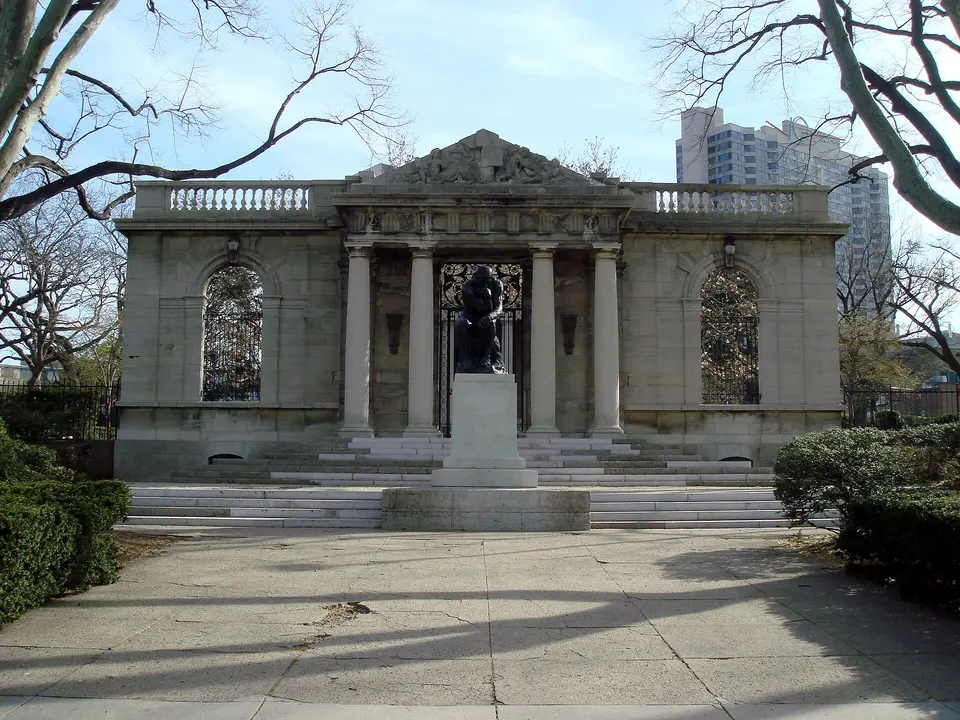
Rodin Museum
Photo: Bobak Ha'Eri, CC BY 3.0
2Sculpture museum

Rodin Museum

Halfway down the Parkway, a Beaux-Arts pavilion of 1929 in a formal garden holds the largest collection of Rodin outside Paris, given to the city by a cinema magnate: the Thinker at the gate, the Gates of Hell cast in bronze at the door, the Burghers of Calais in the garden and the marbles and plasters inside, about 140 works in an hour; the garden and the outdoor bronzes are free, the building is included in the Museum of Art's ticket or pay what you wish, and it is the shady stop between the steps and the Barnes.

  • Plan about 1 h
  • Fri–Mon 10:00–17:00, closed Tue–Thu; garden free, museum pay what you wish (suggested about $12) or included with the Museum of Art ticket

Midday

LunchThe Barnes has a good café and the Fairmount neighbourhood behind Eastern State has the better cheap lunch, with Jack's Firehouse, the pizza and taco places along Fairmount Avenue and the food trucks at the foot of the museum steps; the Whole Foods on Pennsylvania Avenue does a picnic for the river. Eat around 13:00 between the Barnes and the penitentiary, which is a 12-minute walk uphill.

Afternoon

170 m · about 3 min on foot
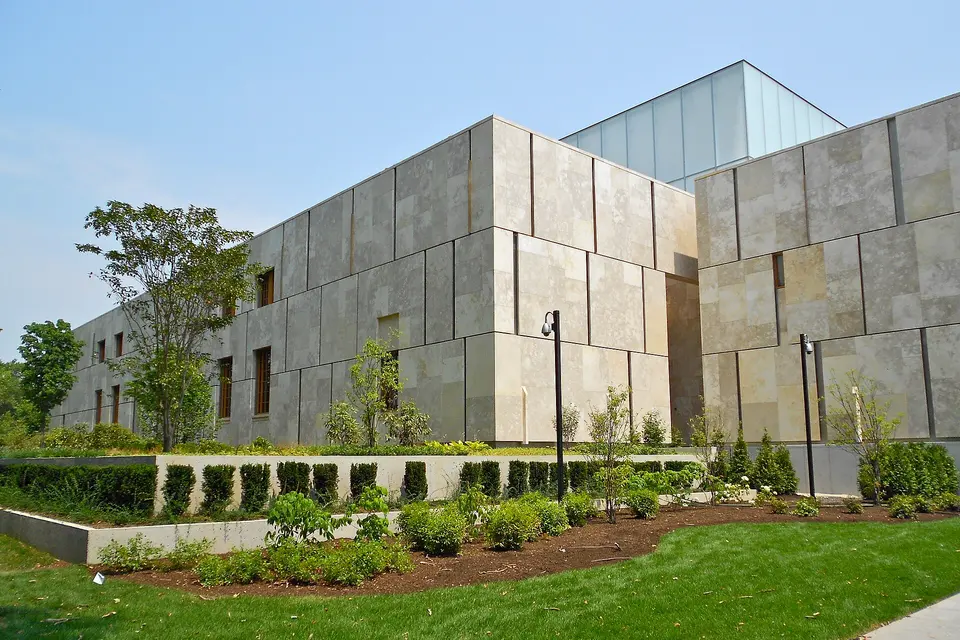
Barnes Foundation
Photo: Smallbones, CC0
3Art museum

Barnes Foundation

Albert Barnes, a chemist who made a fortune from an antiseptic, bought 181 Renoirs, 69 Cézannes, 59 Matisses and 46 Picassos between 1912 and 1951 and hung them in his Merion mansion in dense symmetrical 'ensembles' with African masks, Pennsylvania German chests and door hinges, for the education of working people rather than the rich; after a decades-long legal fight the whole arrangement was moved room for room into this limestone box on the Parkway in 2012, and the walls are as strange and overwhelming as he left them, with Matisse's mural of dancers in the lunettes and Seurat's Poseuses among the last things you see. Timed tickets sell out on weekends; go in the last two hours.

  • Plan about 2 h
  • Thu–Mon 11:00–17:00, closed Tue–Wed, July 4, Thanksgiving and Christmas; $30 adults, $28 seniors, $5 students and ages 13–18, free under 13; timed entry, book ahead
860 m · about 13 min on foot
Eastern State Penitentiary
Photo: Adam Jones, Ph.D., CC BY-SA 3.0
4Historic prison

Eastern State Penitentiary

Behind 30-foot castle walls in the Fairmount neighbourhood, the prison that opened in 1829 as the world's first penitentiary, a radial hub of seven cellblocks with a skylight in every vaulted cell where inmates were kept alone with a Bible and a trade so that they would repent, was copied in 300 prisons around the world, held Al Capone in a furnished cell you can see, and closed in 1971 to rot for twenty years before being opened as a ruin; the audio tour, narrated by Steve Buscemi, walks you through the crumbling blocks, the exhibitions on mass incarceration today and the yard where the Halloween haunted house runs from September. Two hours pass fast.

  • Plan about 2 h
  • Daily 10:00–17:00; $21 adults, $19 seniors, $17 students and ages 7–17 online, $2 more at the door; audio tour included; 2027 Fairmount Avenue

Evening

1.3 km · about 20 min on foot
Boathouse Row
Photo: Jeffrey M. Vinocur, CC BY 2.5
5Riverside landmark

Boathouse Row

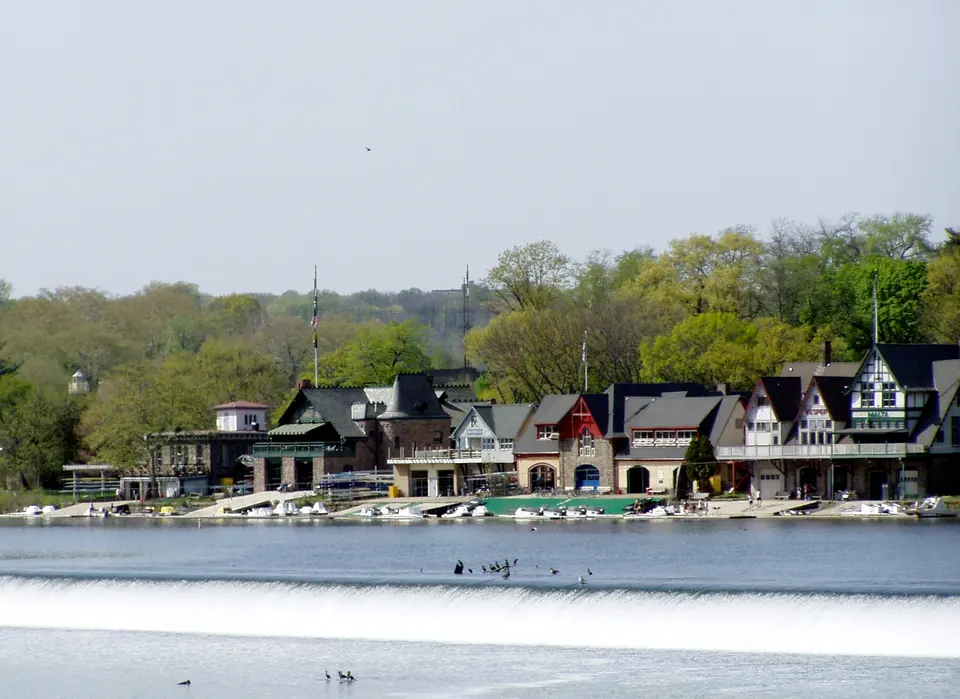
Behind the Museum of Art, along the east bank of the Schuylkill below the Fairmount Water Works, ten Victorian boathouses of the rowing clubs that have raced here since the 1850s are outlined in thousands of lights every night, best seen from the west bank across the river or from the Water Works terrace, and the Schuylkill River Trail runs past them from the museum along Kelly Drive; walk down the museum's back steps to the neoclassical Water Works of 1815, watch the eights go out at dusk and see the lights come on. The Lloyd Hall café is the only place to sit.

  • Plan about 1 h
  • Free, open all the time; lights come on at dusk; best view from the west bank or the Water Works

Day 3

South Philly and Center City: the Magic Gardens, the Italian Market, City Hall, the Mütter Museum and Rittenhouse Square

Start on South Street in the mosaic maze of the Magic Gardens, walk down to the stalls of the Italian Market and the cheesesteak corner of Pat's and Geno's, come back up through the middle of the city to the tower of City Hall and the medical oddities of the Mütter Museum, and end the trip with a drink around Rittenhouse Square.

  • 5 sights
  • 4.2 km on foot
  • Longest walk 1.8 km
12345500 mN
Stops in order, straight-line distancesRoute in Google Maps ↗

Morning

Philadelphia's Magic Gardens
Photo: sashafatcat, CC BY 2.0
1Mosaic art environment

Philadelphia's Magic Gardens

Half a block of South Street covered inside and out in mosaic by Isaiah Zagar, who began tiling the walls of the neighbourhood in the 1960s and turned two vacant lots and a house into a labyrinth of tunnels, grottoes and courtyards of broken mirror, bottles, bicycle wheels, folk-art tiles and his own poems, is the city's strangest and most photographed place, saved by the neighbourhood when the landlord tried to sell it in 2002; the self-guided visit takes an hour and the timed tickets sell out on weekends, so book. Zagar's murals cover a dozen more walls in the streets around, free.

  • Plan about 1 h 15 min
  • Wed–Mon 11:00–18:00, closed Tue; $15 adults, $12 students and seniors, $8 ages 6–12, free under 6; timed tickets, book ahead; 1020 South Street
730 m · about 11 min on foot
Italian Market
Photo: Derek Ramsey (Ram-Man), CC BY-SA 2.5
2Street market

Italian Market

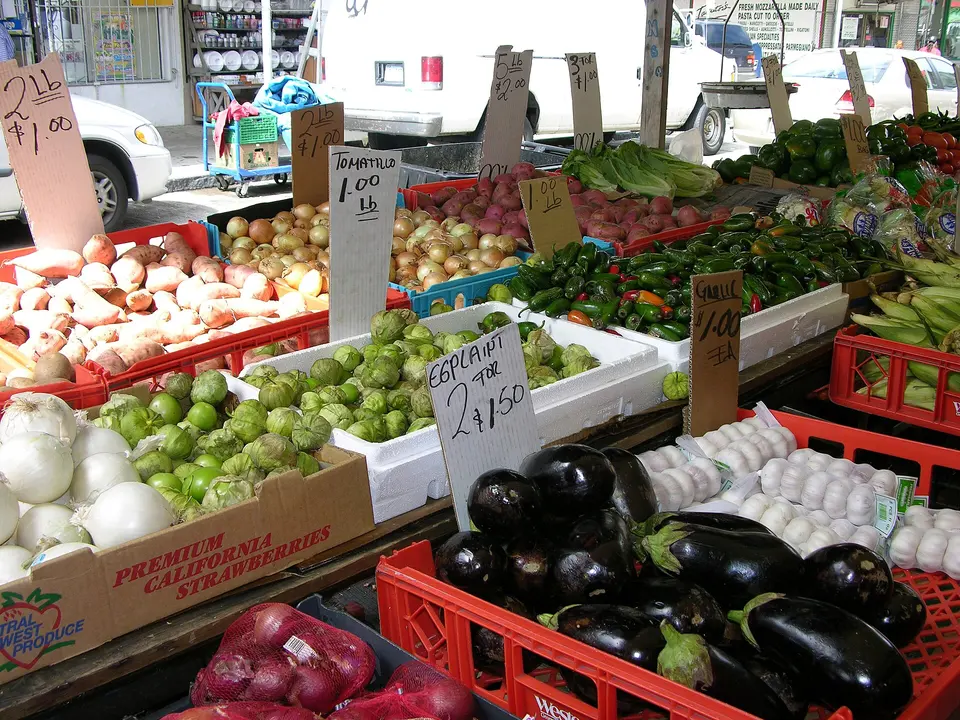
Ten blocks of South 9th Street, the oldest working outdoor market in the country, where the Italian immigrants of the 1880s set up stalls under the awnings and the produce is still sold from the curb, with the cheese of Di Bruno Bros., the pasta of Talluto's, Claudio's and Isgro's cannoli behind the shopfronts and the Mexican and Vietnamese grocers who joined them in the last thirty years; the burn barrels that kept the vendors warm in Rocky are still lit in winter. The market is busiest from Tuesday to Saturday morning and quietest on Mondays, and at its southern end, at 9th and Passyunk, Pat's and Geno's have sold cheesesteaks across the corner from each other since the 1960s.

  • Plan about 1 h 30 min
  • Free; vendors mostly Tue–Sat mornings, quieter Sunday and Monday; visitor centre Tue–Sat 9:30–17:30, Sun 10:00–15:00

Midday

LunchLunch is the cheesesteak: Pat's and Geno's face each other at 9th and Passyunk at the bottom of the market and take cash and orders shouted in the local grammar, 'one whiz wit' for Cheez Whiz and onions, while John's Roast Pork and the market's own counters do the roast pork sandwich with broccoli rabe and provolone that locals rate higher; the bakeries and cheese shops of the market, Isgro's cannoli and Di Bruno Bros., are the dessert. Eat by 12:30 and walk it off north.

Afternoon

1.8 km · about 29 min on foot
Philadelphia City Hall
Photo: AbhiramJuvvadi, CC BY-SA 4.0
3Civic landmark

Philadelphia City Hall

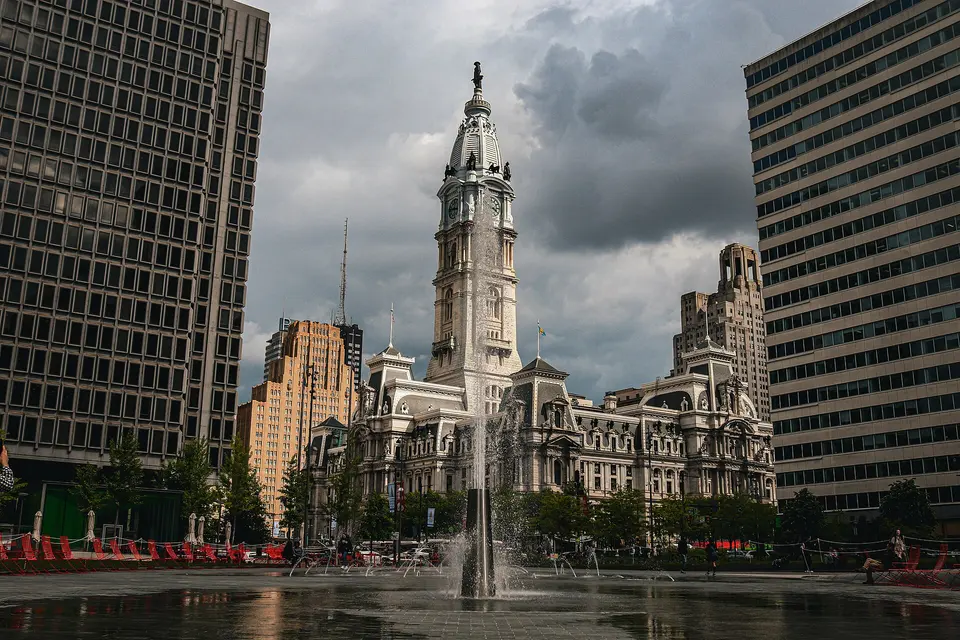
The largest municipal building in the country, 30 years in the building from 1871 to 1901, a French Second Empire pile of white marble and granite with 700 rooms and a 167-metre tower topped by Calder's 11-metre bronze of William Penn, whose hat brim no building was allowed to pass until 1987, stands at the crossing of the city's two great streets with a courtyard you walk straight through; the visitor centre in room 121 sells the tower tour, a glass lift to the observation deck under Penn's feet for the whole city, and a longer interior tour of the council chamber and courtrooms. Dilworth Park on the west side has the fountains in summer and the rink in winter, and Love Park with its sculpture is a block on.

  • Plan about 1 h
  • Tower tours weekdays from the visitor centre, room 121, timed and a few dollars; courtyard open daily; the interior tour at 12:30 on weekdays
1.1 km · about 17 min on foot
Mütter Museum
Photo: Terry Robinson, CC BY-SA 2.0
4Medical museum

Mütter Museum

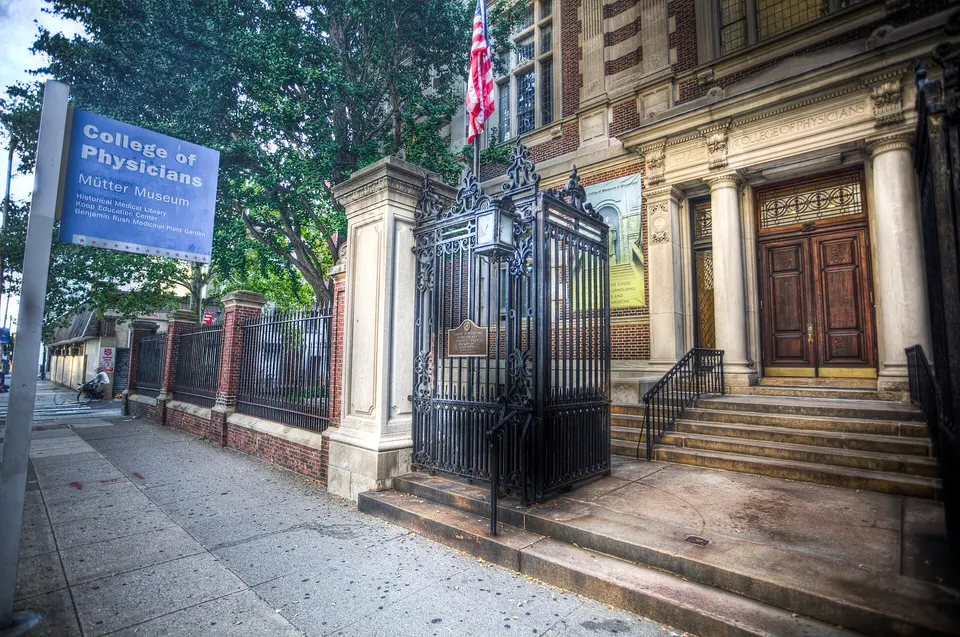
In the College of Physicians of Philadelphia, the oldest medical society in the country, the collection of anatomical and pathological specimens, wax models and instruments that Dr Thomas Dent Mütter gave in 1858 for the education of doctors is shown in wood-and-glass cabinets on two floors: the skull wall of Josef Hyrtl, the giant's and the dwarf's skeletons, the Soap Lady, slices of Einstein's brain, the conjoined twins' cast, the medicinal garden outside, all with a seriousness that is the opposite of a freak show, and the museum has in recent years been reviewing how the remains are presented and what stays on view. No photographs are allowed inside.

  • Plan about 1 h 30 min
  • Wed–Mon 10:00–17:00, closed Tue except summer evenings; $25 adults, $23 seniors, $20 students and ages 6–17; no photography; 19 South 22nd Street

Evening

570 m · about 9 min on foot
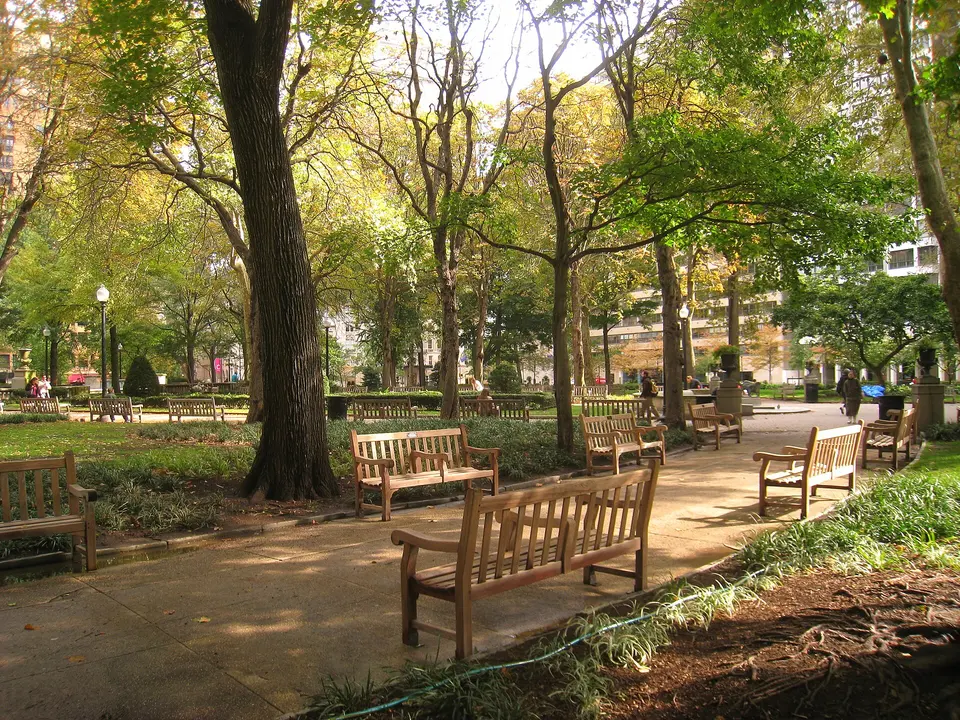
Rittenhouse Square
Photo: Daderot, Public domain
5Square

Rittenhouse Square

The finest of William Penn's five original squares, a formal park of plane trees, benches, a lion and a goat in bronze and a reflecting pool laid out in 1913 by the architect of the Parkway, is ringed by the city's grandest apartment buildings and its best restaurants and bars, on Walnut Street to the north and the side streets around, Parc's French terrace on the corner, the rooftop bars, the wine bars of 18th and 20th Streets, and it is where Philadelphia sits out on a warm evening with a dog and an ice cream. The Saturday farmers' market and the Christmas market fill it in season.

  • Plan about 2 h
  • Free; restaurants and bars around it open late; farmers' market Saturday mornings

Good to know in Philadelphia

Tickets and opening days

  • Independence Hall has an open house without tickets from 9:00 to 9:50, ticketed tours every 20 minutes from 10:00 to 16:00 and an expanded ticketed tour at 16:20 (not wheelchair accessible); the Liberty Bell Center is open daily 9:00 to 17:00 with security screening closing at least 5 minutes before, and the Independence Visitor Center daily 9:00 to 18:00 with the National Park Service desk closing at 17:00.Source: National Park Service, Independence NHP operating hours · checked Sep 2026
  • Tickets to Independence Hall are free but carry a $1.00 per-ticket administrative fee, reserved through Recreation.gov or by phone up to 30 days in advance, with unbooked tickets released for same-day use and next-day tickets released at 17:00 the evening before; interagency passes do not cover the fee and there are no refunds. Admission to the Liberty Bell Center is free and no tickets are required.Source: National Park Service, Independence Hall tickets and Liberty Bell Center · checked Sep 2026
  • The Philadelphia Museum of Art at 2600 Benjamin Franklin Parkway is open Monday, Thursday, Saturday and Sunday 10:00 to 17:00 and Friday 10:00 to 20:45, closed Tuesday and Wednesday, with Pay What You Wish Friday Nights extended through spring 2027.Source: Philadelphia Museum of Art, visit · checked Sep 2026
  • The Barnes Foundation at 2025 Benjamin Franklin Parkway is open Thursday to Monday 11:00 to 17:00 (10:00 to 11:00 members only), closed July 4, Thanksgiving and Christmas; admission is $30 for adults, $28 for seniors, $5 for college students and for ages 13 to 18, and free for children 12 and under.Source: Barnes Foundation, plan your visit · checked Sep 2026
  • Eastern State Penitentiary is open daily 10:00 to 17:00, subject to change; online admission is $21 for adults, $19 for seniors and $17 for college students and youth aged 7 to 17, with door prices $2 higher, and the main audio tour of ten stops lasts about 40 minutes.Source: Eastern State Penitentiary, visit · checked Sep 2026
  • Philadelphia's Magic Gardens at 1020 South Street is open Wednesday to Monday 11:00 to 18:00 and closed on Tuesdays, with last admission 15 minutes before closing; timed self-guided general admission is $15 for adults, $12 for students and seniors, $8 for children 6 to 12 and free under 6, and tickets frequently sell out.Source: Philadelphia's Magic Gardens, hours and admission · checked Sep 2026
  • Reading Terminal Market at 1136 Arch Street is open daily 8:00 to 18:00.Source: Reading Terminal Market · checked Sep 2026
  • The Mütter Museum at 19 South 22nd Street is open Wednesday to Monday 10:00 to 17:00, closed Thanksgiving, Christmas Eve, Christmas Day and New Year's Day; admission is $25 for adults, $23 for seniors over 65, $20 for students with ID and $20 for youth aged 6 to 17.Source: Mütter Museum, hours and admission · checked Sep 2026
  • SEPTA's bus and metro fare is $2.90 per trip with SEPTA Key, contactless or cash; a one-day Convenience Pass is $7.50 and a three-day pass $19.00, and the Airport Line from Center City stations is $8.75.Source: SEPTA, fares · checked Sep 2026

3 days in Philadelphia: quick answers

Is 3 days enough for Philadelphia?

Three days cover the historic district, the Parkway museums, the penitentiary and the neighbourhoods. A fourth day is the Franklin Institute and the Please Touch Museum for families, the Penn Museum's Egyptian and Chinese halls in University City, the National Constitution Center and Christ Church back in Old City, a Phillies game at Citizens Bank Park, or the trip out to Valley Forge or the Brandywine valley. The Wanamaker organ in the old department store on Market Street plays free recitals on weekdays.

Which days should I plan around?

Independence Hall is open daily with an open house 9:00 to 9:50 and ticketed tours every 20 minutes from 10:00 to 16:00; tickets are required from March to December and are free with a $1 reservation fee. The Liberty Bell Center is open daily 9:00 to 17:00 without tickets. The Museum of Art is closed on Tuesdays and Wednesdays and open until 20:45 on Fridays with pay-what-you-wish evenings. The Barnes is open Thursday to Monday 11:00 to 17:00. Eastern State is open daily 10:00 to 17:00. The Magic Gardens is closed on Tuesdays. The Mütter is open Wednesday to Monday 10:00 to 17:00. Reading Terminal Market is open daily 8:00 to 18:00. So put the Parkway day on a Thursday to Monday and the South Philly day on any day but Tuesday.

How much do the tickets cost?

Independence Hall and the Liberty Bell are free, the hall's reservation costing $1 a ticket. The Museum of Art is about $30 for adults and free under 18, pay what you wish on Friday nights and the first Sunday of the month, with the Rodin included; the Barnes is $30, $28 for seniors, $5 for students and ages 13 to 18, free under 13; Eastern State is $21 online, $19 seniors, $17 students and children 7 to 17, $2 more at the door; the Museum of the American Revolution about $25 to 27, $14 for ages 6 to 17; the Magic Gardens $15, $12 for students and seniors, $8 for children 6 to 12; the Mütter $25, $23 seniors, $20 students and youth; the City Hall tower a few dollars. Reading Terminal Market, the Italian Market, Elfreth's Alley, Boathouse Row, the parks and the waterfront are free.

How do I get around?

On foot: each day is a 5-to-7-kilometre walk on a flat grid. SEPTA's Market–Frankford and Broad Street subway lines and the buses cost $2.90 a ride, tapped with a contactless bank card or a SEPTA Key card, and a one-day pass is $7.50, a three-day pass $19; the Airport Line train from the airport to Center City is $8.75 and takes 25 minutes. The PHLASH bus loops the sights in season. Indego bikes are everywhere along the river paths. Taxis and the apps work; a car is a parking problem.

What about the Rocky steps and the Parkway?

The 72 steps of the Museum of Art's east entrance are free at any hour and the view down the Benjamin Franklin Parkway to City Hall is the reason to run them; the Rocky statue stands at the bottom to the right, with a queue for photographs. The Parkway itself, modelled on the Champs-Élysées, is 2 km of museums from City Hall to the museum, Logan Circle and its Swann fountain in the middle, the Free Library and the Franklin Institute on either side, and in 2026 the stage for the July 4 celebrations of the 250th anniversary, when the whole district closes to traffic.

How much walking is this itinerary?

About 6 km on day one, flat, on the brick pavements and cobbles of Old City and the waterfront; about 6 km on day two along the Parkway, up to Fairmount and down to the river, with the museum's 72 steps and its long galleries; and about 6 km on day three from South Street through Center City to Rittenhouse. Summers are hot and humid and winters cold with the odd snowstorm; spring and autumn are the seasons.

Other Philadelphia itineraries

Keep exploring

Where this connects

THE TRIPWOA APP

Go somewhere.
Make it yours.

Build days around what you love. Follow your route, find your next stop and keep the moments along the way.

Get it on Google PlayAvailable for Android
Free to start
Tripwoa home with a Paris trip and nearby places to explore
Tripwoa day plan for New York with a route map and Times Square stop

A day that feels like you.

Sources and method

Places and coordinates: Wikidata and Tripwoa's open-data place catalog (Overture Maps Foundation, © OpenStreetMap contributors). Photos: Wikimedia Commons, credited on each image. Practical rules: the official sources linked in each note, checked in September 2026.

How this plan was made: Tripwoa's planner drafted the day order from real coordinates and typical visit times. Each stop was then reviewed, reordered where needed and rewritten with AI assistance. Walking distances are straight-line estimates, so allow a little extra time on real streets.