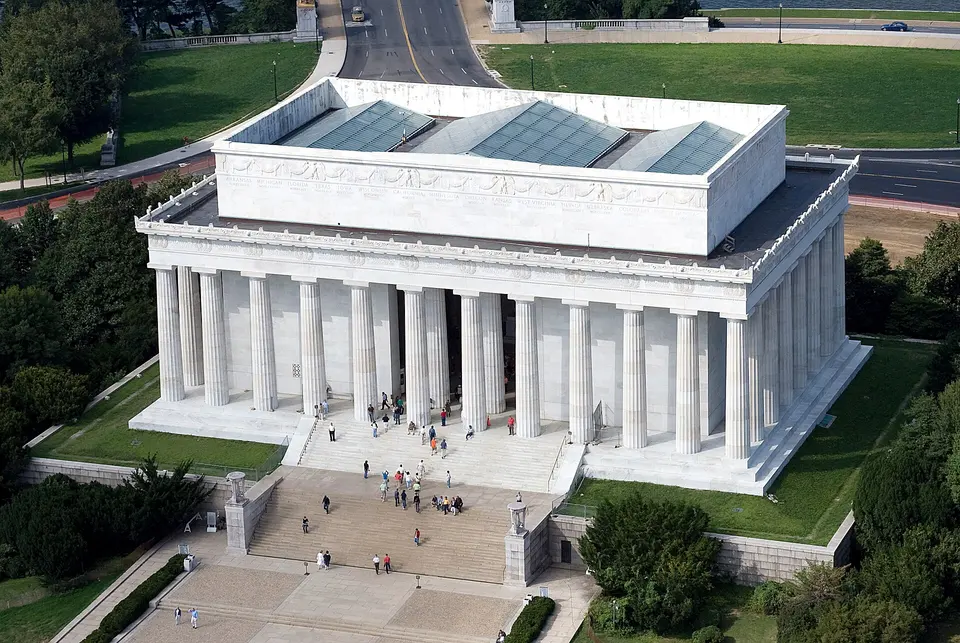
United States Capitol
The seat of Congress was begun in 1793 and crowned with its cast-iron dome during the Civil War. Free guided tours start in the underground Capitol Visitor Center and take in the Crypt, the Rotunda and National Statuary Hall.
3-day itinerary · United States
A realistic first-timer plan that gives each part of the Mall its own day: the Capitol, the Library of Congress and the Air and Space Museum; the monuments and war memorials; then the White House, the Smithsonian museums and Georgetown. Every stop comes with walking distances and the free ticket rules that matter in 2026.
Updated 12 September 2026 · 7 official sources checked · report an error

The plan at a glance
The National Mall runs for about two miles from the Capitol to the Lincoln Memorial, so each day covers one stretch of it: day one tours the Capitol and the Library of Congress before the Air and Space Museum and the National Archives; day two walks from the Washington Monument past the war memorials to the Jefferson Memorial on the Tidal Basin; day three starts at the White House, spends the day in two Smithsonian museums and ends in Georgetown. Most entry is free, but reserve the timed tickets listed below before you go.
At a glance
Day 1
Tour the US Capitol, walk through to the Library of Congress with its Great Hall and Gutenberg Bible, then see the Wright Flyer and Apollo 11 at the Air and Space Museum and the Declaration of Independence at the National Archives.
Morning

The seat of Congress was begun in 1793 and crowned with its cast-iron dome during the Civil War. Free guided tours start in the underground Capitol Visitor Center and take in the Crypt, the Rotunda and National Statuary Hall.

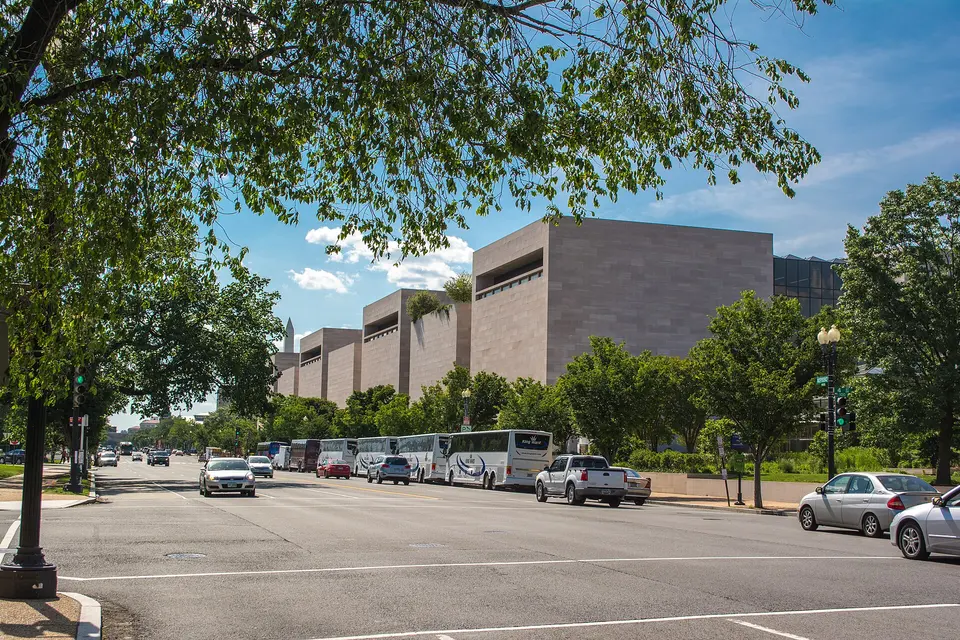
Opened in 1897, the library's first building is one of the most lavishly decorated in America: marble staircases, mosaics and murals fill the Great Hall, and a gallery looks down into the domed Main Reading Room. A Gutenberg Bible is on display.
Midday
Afternoon

The Smithsonian's museum of flight displays the Wright brothers' 1903 Flyer, Charles Lindbergh's Spirit of St. Louis and the Apollo 11 command module Columbia among its aircraft and spacecraft.

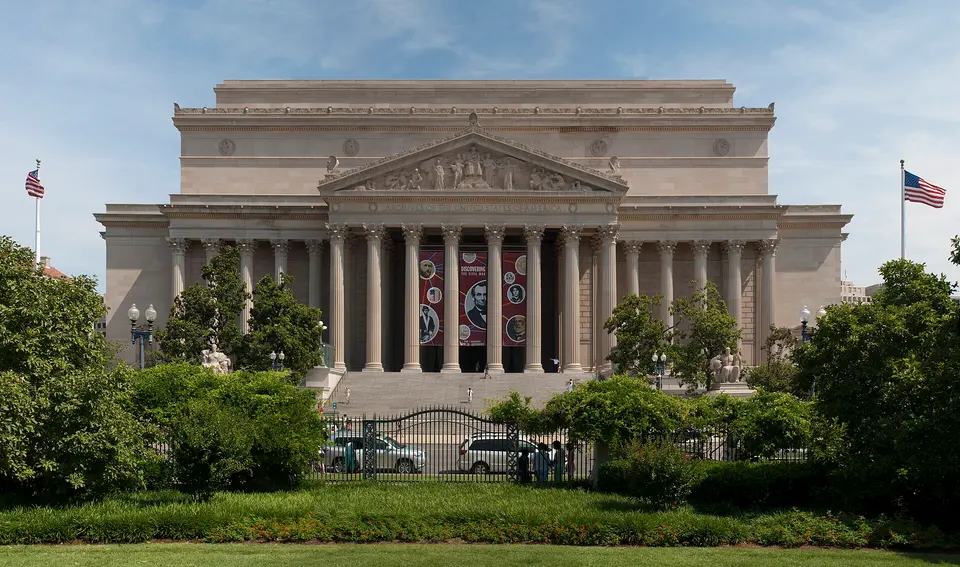
In the dimly lit Rotunda lie the original Declaration of Independence, Constitution and Bill of Rights, known together as the Charters of Freedom. Entry is free, and reserving a ticket online shortens the wait.
Evening
Day 2
Ride to the top of the Washington Monument, walk west past the World War II Memorial to the Lincoln Memorial and the Vietnam and Korean War memorials, then follow the Tidal Basin past the Martin Luther King Jr. and FDR memorials to the Jefferson Memorial.
Morning

The marble obelisk, completed in 1884, rises 555 feet above the Mall. A change in the stone's colour about a third of the way up marks where construction stopped for more than two decades; a lift takes you to the observation level near the top.

Opened in 2004 around the Rainbow Pool, the memorial has 56 granite pillars for the states and territories of the time and a Freedom Wall with 4,048 gold stars, each representing 100 Americans who died in the war.

Daniel Chester French's seated Lincoln looks down the Reflecting Pool from a Greek temple dedicated in 1922, with the Gettysburg Address carved on the wall. On these steps in 1963, Martin Luther King Jr. gave his 'I Have a Dream' speech; the spot is marked in the stone.

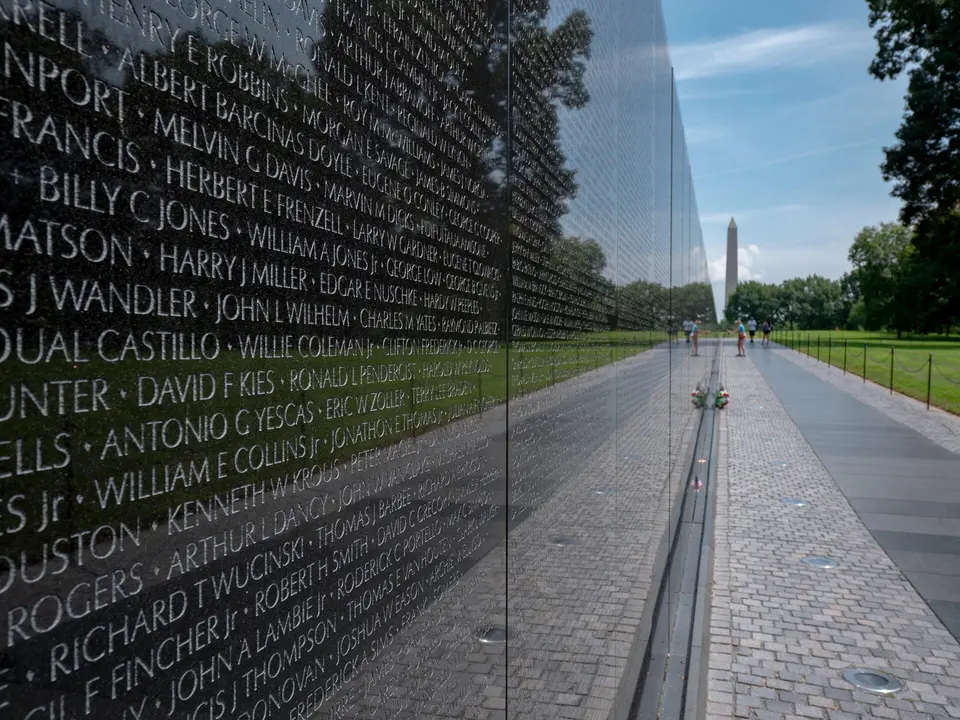
Maya Lin, then an architecture student, designed the black granite wall, dedicated in 1982. It lists more than 58,000 Americans who died or went missing in the Vietnam War, in the order they were lost.
Midday
Afternoon

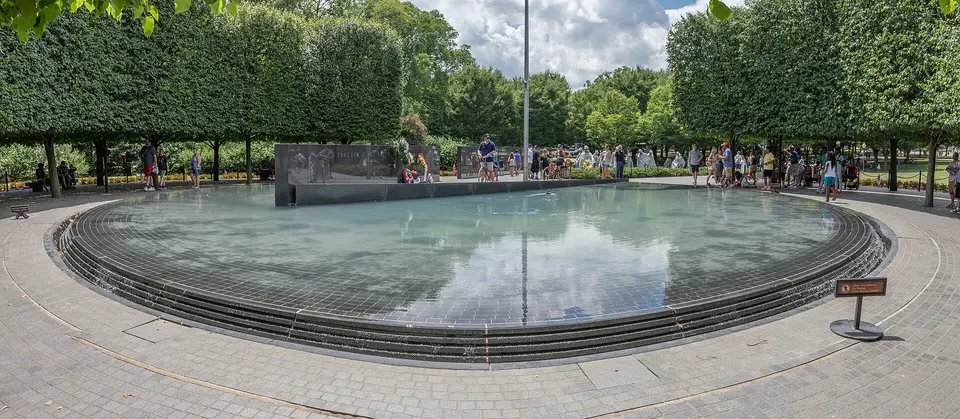
Nineteen stainless-steel soldiers on patrol advance through juniper towards the flag, reflected in a granite wall etched with faces. The Wall of Remembrance, added in 2022, names the more than 36,000 Americans killed in the war.

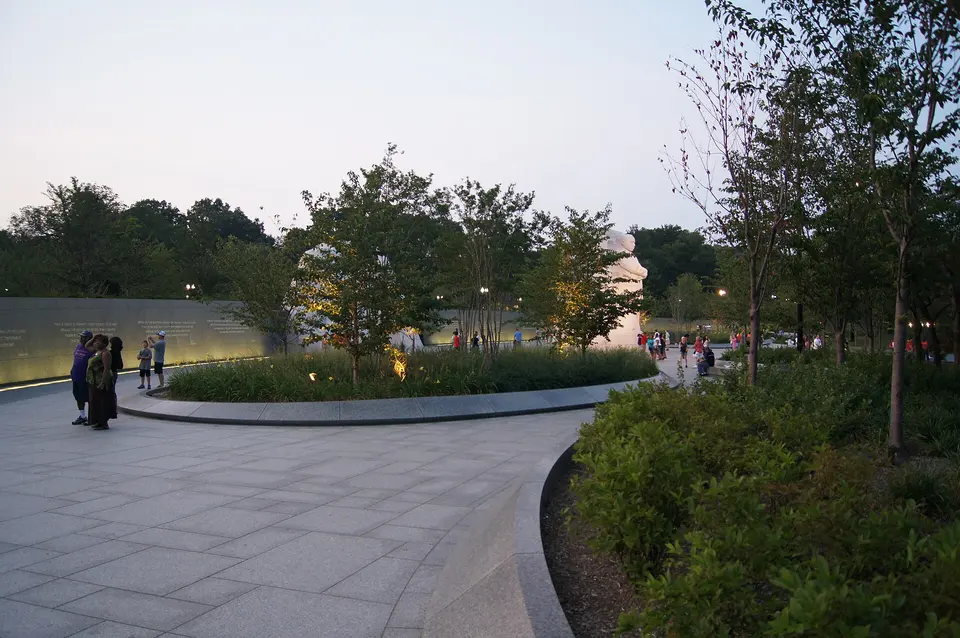
Opened in 2011 on the Tidal Basin, the memorial shows King emerging from a Stone of Hope cut out of a Mountain of Despair, an image from his 'I Have a Dream' speech, with a long wall of his quotations behind.

Four open-air rooms, one for each of Roosevelt's terms, trace the Great Depression and the Second World War through granite walls, waterfalls and sculpture, including a statue of the president with his dog Fala.

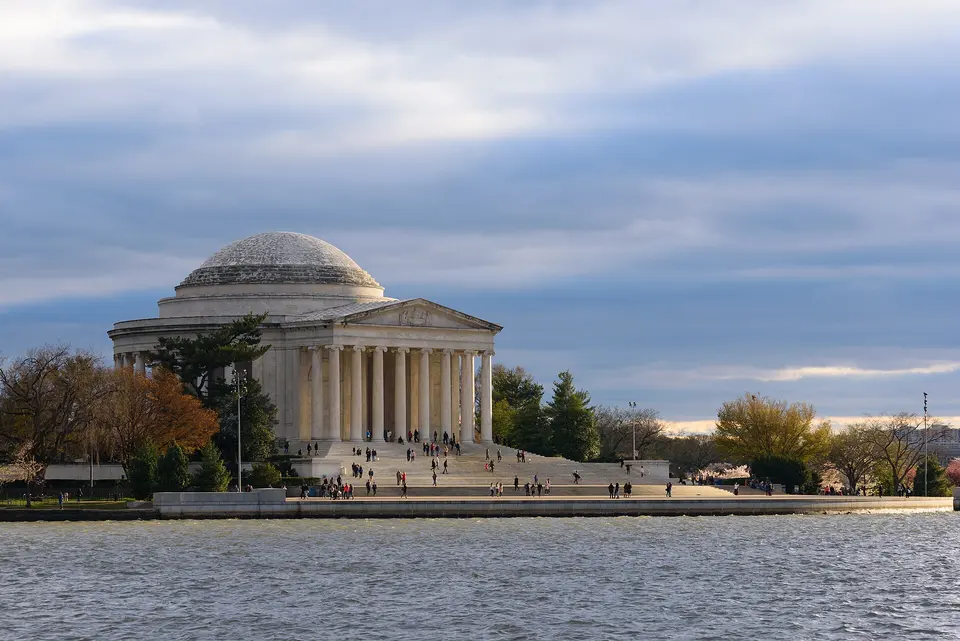
Jefferson's bronze statue stands inside a domed rotunda, dedicated in 1943, looking across the Tidal Basin towards the White House. In spring the Japanese cherry trees around the basin, first planted from a gift from Tokyo in 1912, bloom all around it.
Evening
Day 3
See the White House from Lafayette Square, spend the day in the National Museum of African American History and Culture and the National Museum of Natural History, then ride over to Georgetown for an evening by the canal and the river.
Morning

Every president since John Adams has lived here. See the north front from Lafayette Square across Pennsylvania Avenue, or the south front from the Ellipse; the White House Visitor Center nearby tells the story of the house and the people who lived in it.

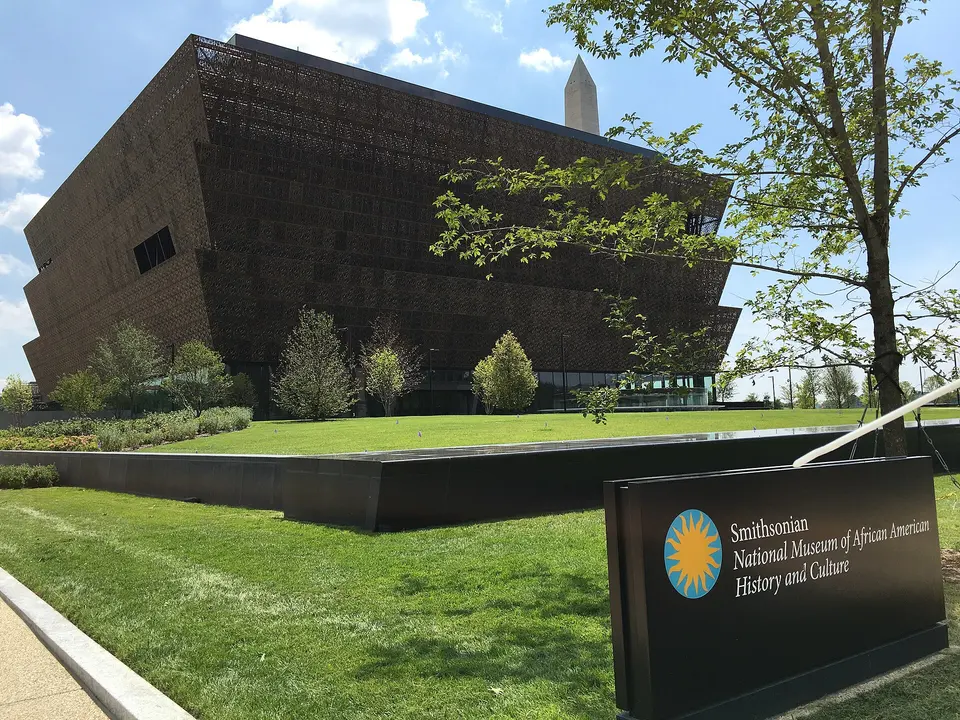
Opened in 2016 in David Adjaye's bronze-coloured building, the museum starts its history galleries deep underground with slavery and rises through Reconstruction and the civil rights movement to the present. The upper floors celebrate music, sport and culture.
Midday
Afternoon

An African elephant greets you in the domed rotunda. Upstairs is the Hope Diamond, and the Hall of Fossils – Deep Time traces the history of life on Earth with dinosaur skeletons. Entry is free, with no pass needed.
Evening

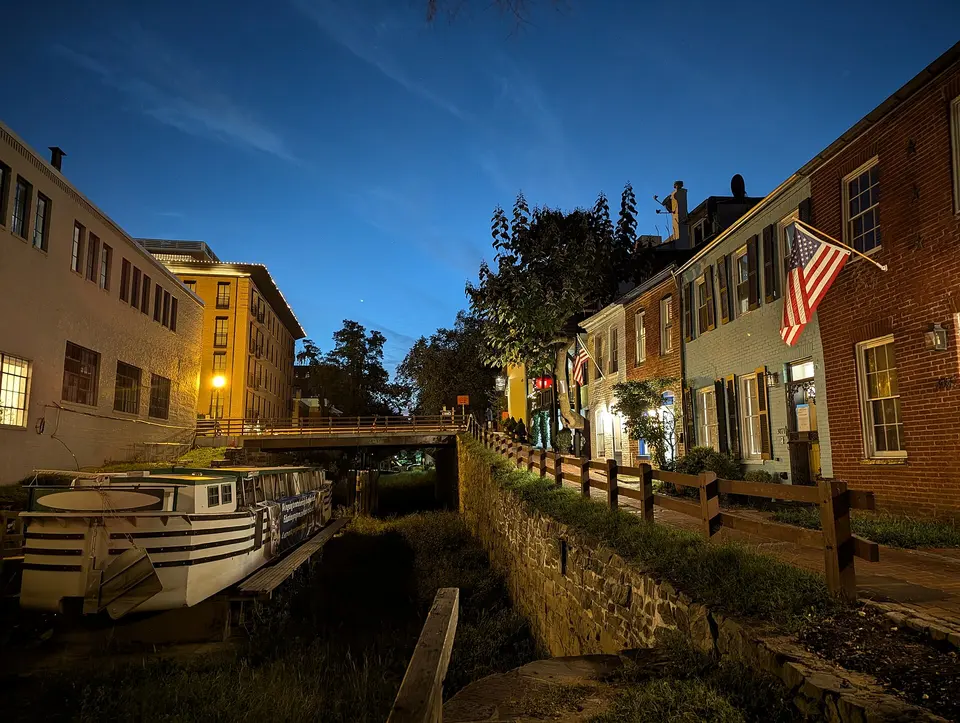
Founded in 1751, the port town is older than the capital that absorbed it. Walk the towpath of the Chesapeake and Ohio Canal between brick row houses, browse M Street and Wisconsin Avenue, and end at the waterfront park on the Potomac.
Before you go
Questions
Three days cover the Capitol, the memorials and the biggest Smithsonian museums without rushing. A fourth day allows Arlington National Cemetery, the National Gallery of Art or a trip to Mount Vernon.
Almost everything is free, but the Washington Monument, the Air and Space Museum, the National Museum of African American History and Culture and the Library of Congress's Jefferson Building need timed-entry tickets, and Capitol tours should be reserved.
Capitol tours run Monday to Saturday and the Jefferson Building opens Tuesday to Saturday, so plan day one for a Tuesday to Saturday.
Yes. The memorials on the National Mall can be visited 24 hours a day, with the exception of the Washington Monument, and the Lincoln Memorial is especially striking after dark.
Between sights it comes to roughly 1.5 to 3.5 km a day in a straight line, all on flat ground, plus a short taxi ride to Georgetown.
More time or less
Keep exploring
THE TRIPWOA APP
Build days around what you love. Follow your route, find your next stop and keep the moments along the way.


A day that feels like you.
Places and coordinates: Wikidata and Tripwoa's open-data place catalog (Overture Maps Foundation, © OpenStreetMap contributors). Photos: Wikimedia Commons, credited on each image. Practical rules: the official sources linked in each note, checked in September 2026.
How this plan was made: Tripwoa's planner drafted the day order from real coordinates and typical visit times. Each stop was then reviewed, reordered where needed and rewritten with AI assistance. Walking distances are straight-line estimates, so allow a little extra time on real streets.