Guides · Peru
Getting around Cusco
How to move around Cusco on a 3-day walking trip: metro, tickets and the notes that matter.
Checked September 2026 against official sources
Cusco
Transit and walking
Follow the official link before you buy. Full walking days: Cusco itinerary.
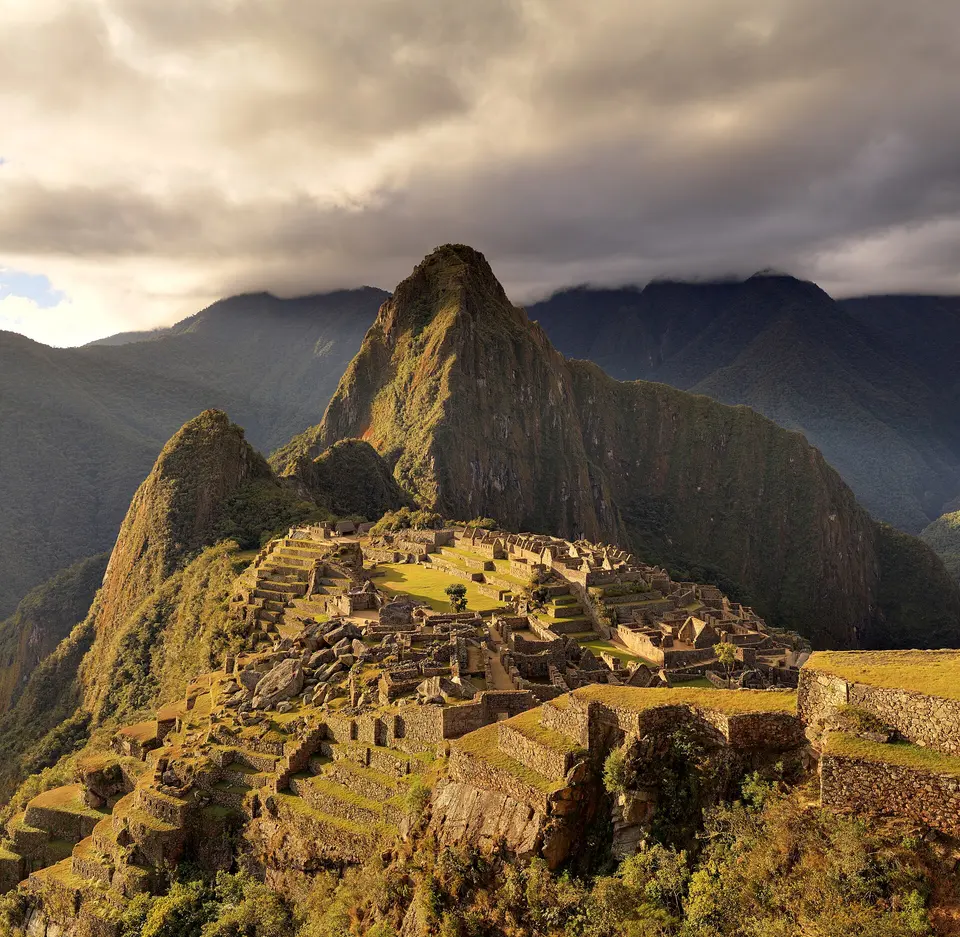
Machu Picchu tickets and transport
- Machu Picchu is visited on three circuits with different routes, with entry from 6:00 a.m.; tickets are sold on the Ministry of Culture's platform tuboleto.cultura.pe and in person at the Centro Cultural de Machupicchu Pueblo, which offers 1,000 tickets a day. Foreign adults pay S/152, foreign students S/77 and foreign minors aged 3–17 S/70; entry tolerance is 45 minutes in high season.Source: Dirección Desconcentrada de Cultura de Cusco, Ministry of Culture · checked Sep 2026
- From May 1, 2026 foreign visitors to Machu Picchu pay an additional S/11 (nationals S/5) as a conservation fee on top of the S/152 entry, about S/163 in all; the 2026 package also brought advance sales on a renewed ticket platform and a new carrying-capacity study.Source: Infobae Perú · checked Sep 2026
- The maximum daily capacity of Machu Picchu for 2026 is 5,600 visitors in high season, which applies on January 1, April 2–5, June 19 to November 2 and December 30–31; routes with mountain climbs (Machu Picchu Mountain, Huayna Picchu, the Gran Caverna) are priced separately.Source: Infobae Perú · checked Sep 2026
- Consettur buses between Machu Picchu Pueblo and the citadel cost $23 one way and $35 return for foreign adults; the first bus goes up at 5:30 a.m. and the last at 4:00 p.m., with return buses from 7:30 a.m. until everyone is down. The ride up takes about 25 minutes.Source: Consettur · checked Sep 2026
- PeruRail's first trains from Ollantaytambo to Machu Picchu Pueblo leave at 5:05 and 6:10 (Expedition), with services through the day; the journey takes about 1 hour 30 minutes. Return trains run from 5:35 in the morning to 21:50, most of them in the afternoon between 13:37 and 18:20.Source: PeruRail · checked Sep 2026
Questions
Quick answers
How do I get Machu Picchu tickets?
Tickets are sold by circuit and by entry hour on the Ministry of Culture's official site, tuboleto.cultura.pe, and at the ticket office in Machu Picchu Pueblo, which keeps 1,000 tickets a day for sale in person. The 2026 price for foreign adults is S/152 for the standard circuits, plus a conservation fee of S/11 since May; capacity is 5,600 a day in high season and less the rest of the year. In high season buy weeks ahead; circuit 2 is the classic first-time route.
What about altitude?
Cusco is at 3,400 metres, higher than Machu Picchu (2,430) and the Sacred Valley (2,800). Day one is deliberately light: walk slowly, drink water and coca tea, eat lightly and skip alcohol. If you arrive by air, spending the first night in the Sacred Valley instead of the city is the gentler option.
Which days should I plan around?
Machu Picchu and the Sacred Valley sites are open every day. Pisac's big market is on Sundays, with smaller ones on Tuesdays and Thursdays. The Sacred Valley sites are on the Cusco tourist ticket, sold at the COSITUC office on Avenida El Sol and at the sites; the cathedral and Qorikancha are ticketed separately at their doors.
How much walking is this itinerary?
About 2 km in a straight line on day one, all of it uphill from the plaza to San Blas; day two is short walks at each site with the car in between, the Pisac and Ollantaytambo ruins on steep terraces; day three is two to three hours on the stone stairways of Machu Picchu, with the bus doing the climb.
The days these rules belong to
3 days in Cusco
The order matters here. Cusco is at 3,400 metres, so day one is a gentle walk through the city while your body adjusts: the Plaza de Armas and the cathedral, the Inca sun temple that became the convent of Santo Domingo, lunch in the San Pedro market, the twelve-angled stone and the artisans' quarter of San Blas, and a taxi up to Sacsayhuamán for the sunset over the city. Day two descends into the Sacred Valley, 600 metres lower and easier to breathe in: the ruins and market of Pisac, the crop laboratory of Moray, the salt terraces of Maras and the fortress of Ollantaytambo, where you sleep. Day three is Machu Picchu by the first trains, back to Ollantaytambo or Cusco in the evening. Machu Picchu tickets are sold by circuit and entry hour and sell out weeks ahead in season; buy them first and build everything else around them.