
1Cathedral
Bordeaux Cathedral
Visit the cathedral’s public interior and walk around its exterior to understand its position in the civic centre. The freestanding Pey-Berland tower is a separate, booked visit next door.

3-day itinerary · France
Three Bordeaux days connecting the cathedral and regional history with the riverfront squares, then Cité du Vin, Chartrons and contemporary art.
Updated 12 September 2026 · 4 official sources checked · report an error
The plan at a glance
Use three full days and reserve the Pey-Berland tower before fixing the first day. Aquitaine and CAPC normally close Mondays. The northern museum day includes a public-transport allowance; hotel, station and first-stop journeys are additional.
At a glance
Day 1
Visit the cathedral, then climb Pey-Berland at your booked time. After lunch, give Musée d’Aquitaine a focused collection visit and finish at the Grosse Cloche exterior. Reverse the first two stops if the tower slot requires it.
Morning
Visit the cathedral’s public interior and walk around its exterior to understand its position in the civic centre. The freestanding Pey-Berland tower is a separate, booked visit next door.

Use your reserved entry for the stair climb and views over the cathedral and rooftops. The hour includes check-in and the climb, with time to descend before moving on.
Midday
Afternoon

Choose a two-hour route through the history of Bordeaux and Aquitaine. Allow thoughtful time for the city’s Atlantic trade and slavery history alongside the earlier archaeological collections.
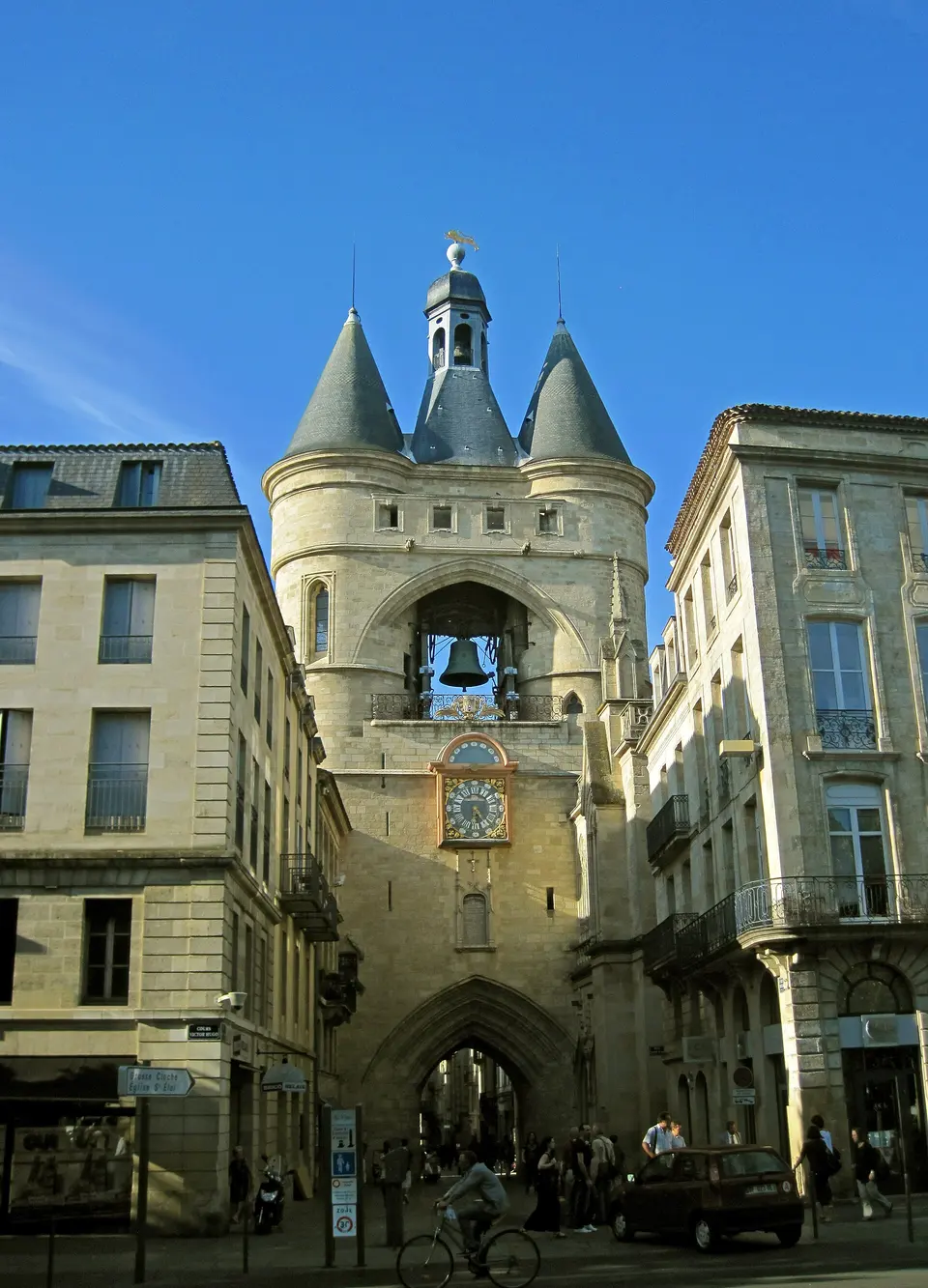
Walk to the gateway and look at the clock, bell and surviving defensive architecture from the street. The base itinerary uses the exterior, without assuming an interior tour.
Evening
Day 2
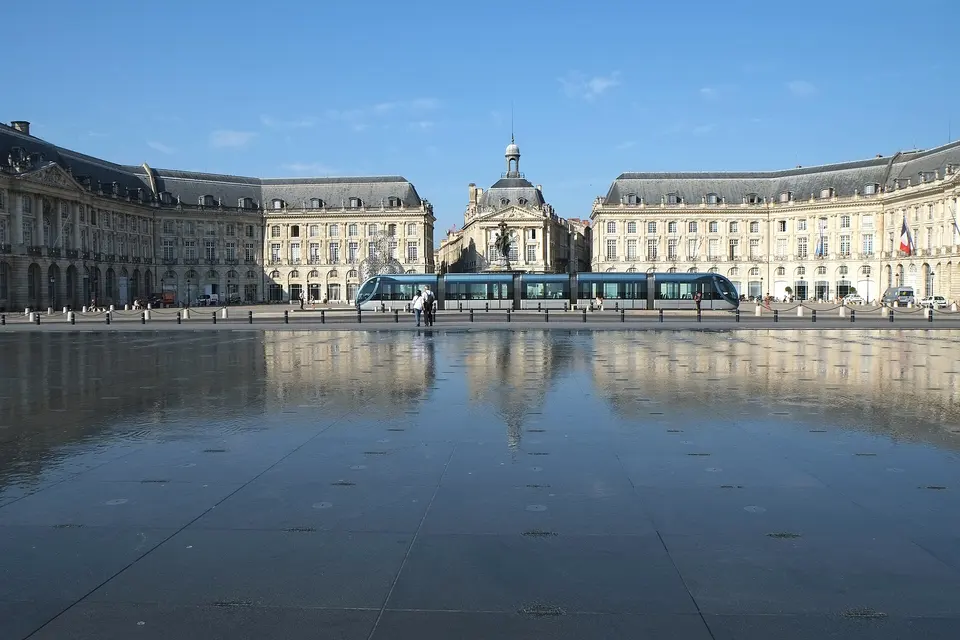
Begin at Porte Cailhau and continue to Place de la Bourse and the Water Mirror. After lunch, walk north past the Grand Théâtre exterior and Quinconces, then finish in Jardin Public. Theatre tours and performances are separate bookings.
Morning
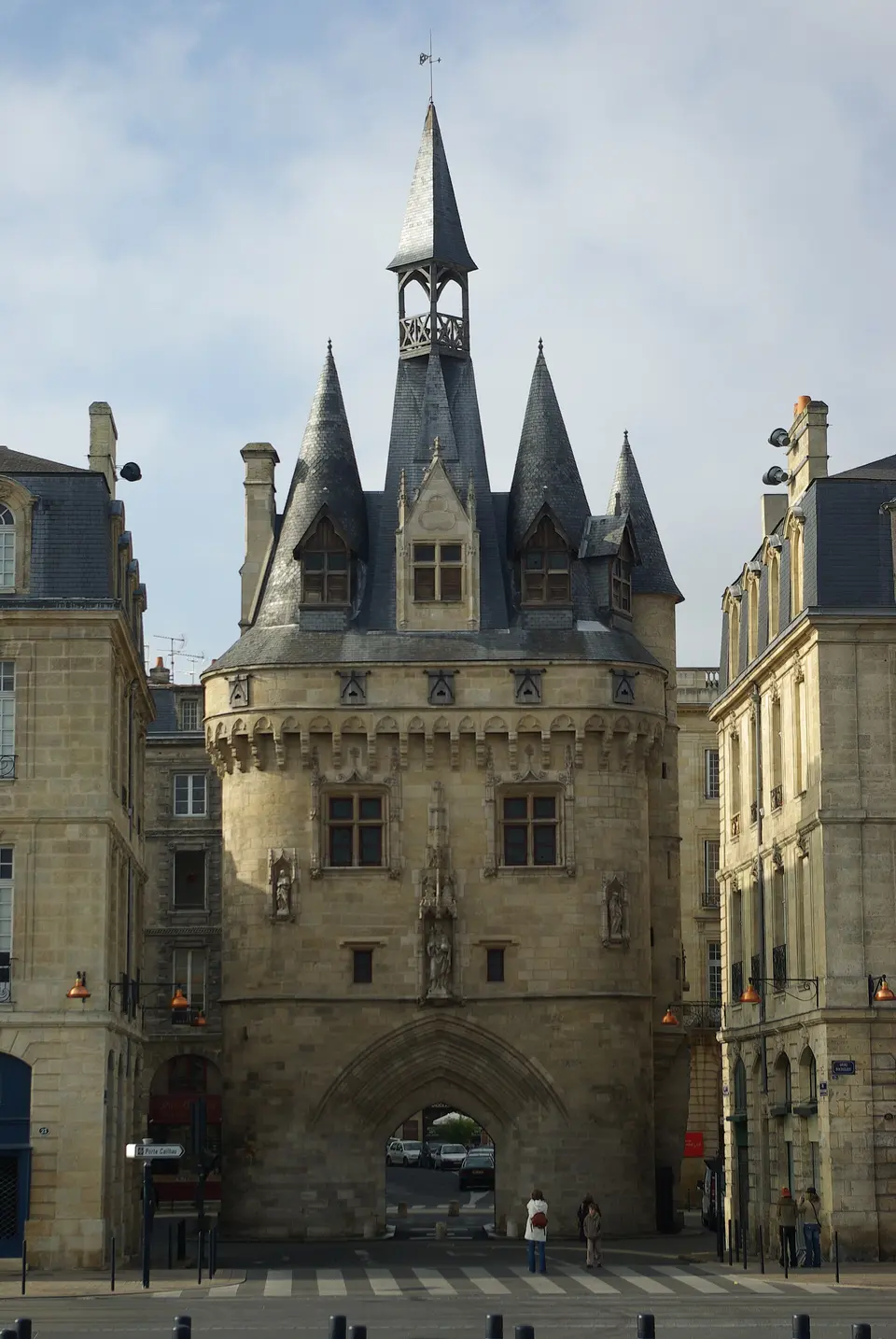
Examine the riverside gateway and, when the visitor rooms are open, take the compact interior route. If access is unavailable, use the exterior and nearby river approach for this short stop.
Walk the monumental square and the river-facing Water Mirror as one connected stop. The setting remains worth a visit when the water effects are not operating.
Midday
Afternoon

Look at the colonnaded theatre façade and Place de la Comédie before continuing north. This is an exterior architectural stop; auditorium visits and performances require their own arrangements.
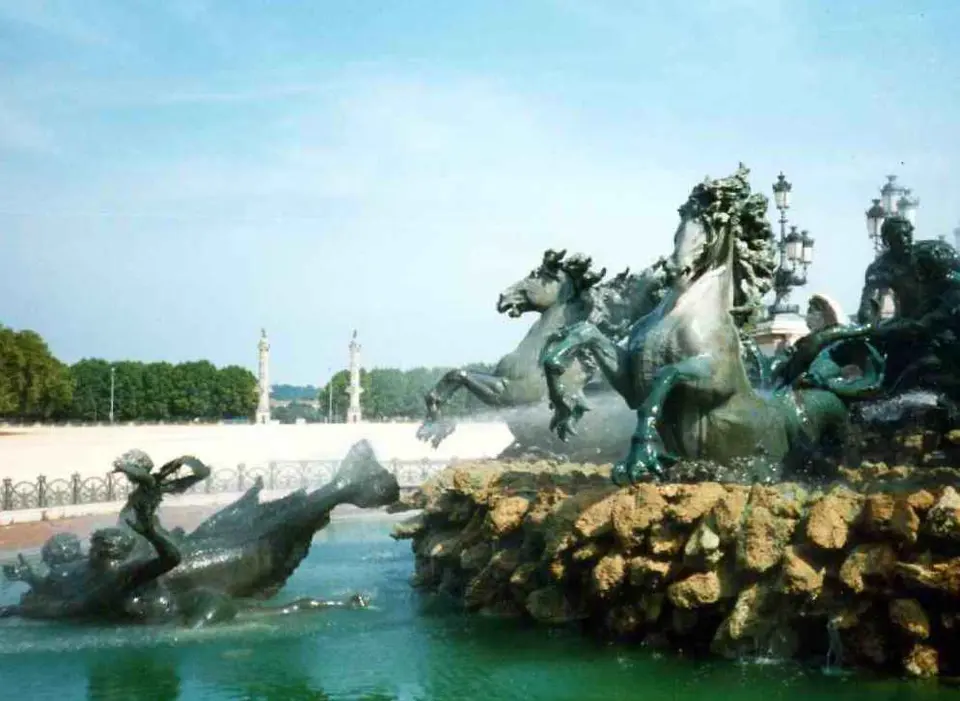
Walk a selected circuit of the square and the Monument aux Girondins. Allow time for the sculptural details and riverward view without adding the monument again as a separate stop.
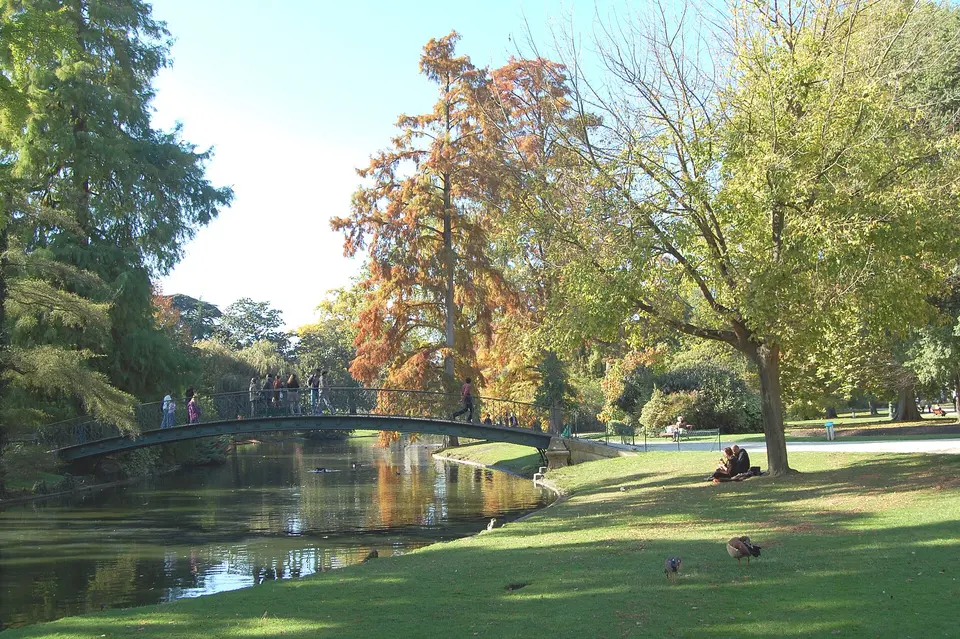
Finish the central walking day with a relaxed circuit of the garden paths and pond. This outdoor stop leaves room to sit down after the riverfront and civic squares.
Evening
Day 3
Reach Cité du Vin before your morning entry, with the first journey from your base additional. Spend three hours with the permanent exhibition, then travel to Chartrons for lunch. Walk the neighbourhood from St Louis Church and finish at CAPC with at least 90 minutes before closing.
Morning
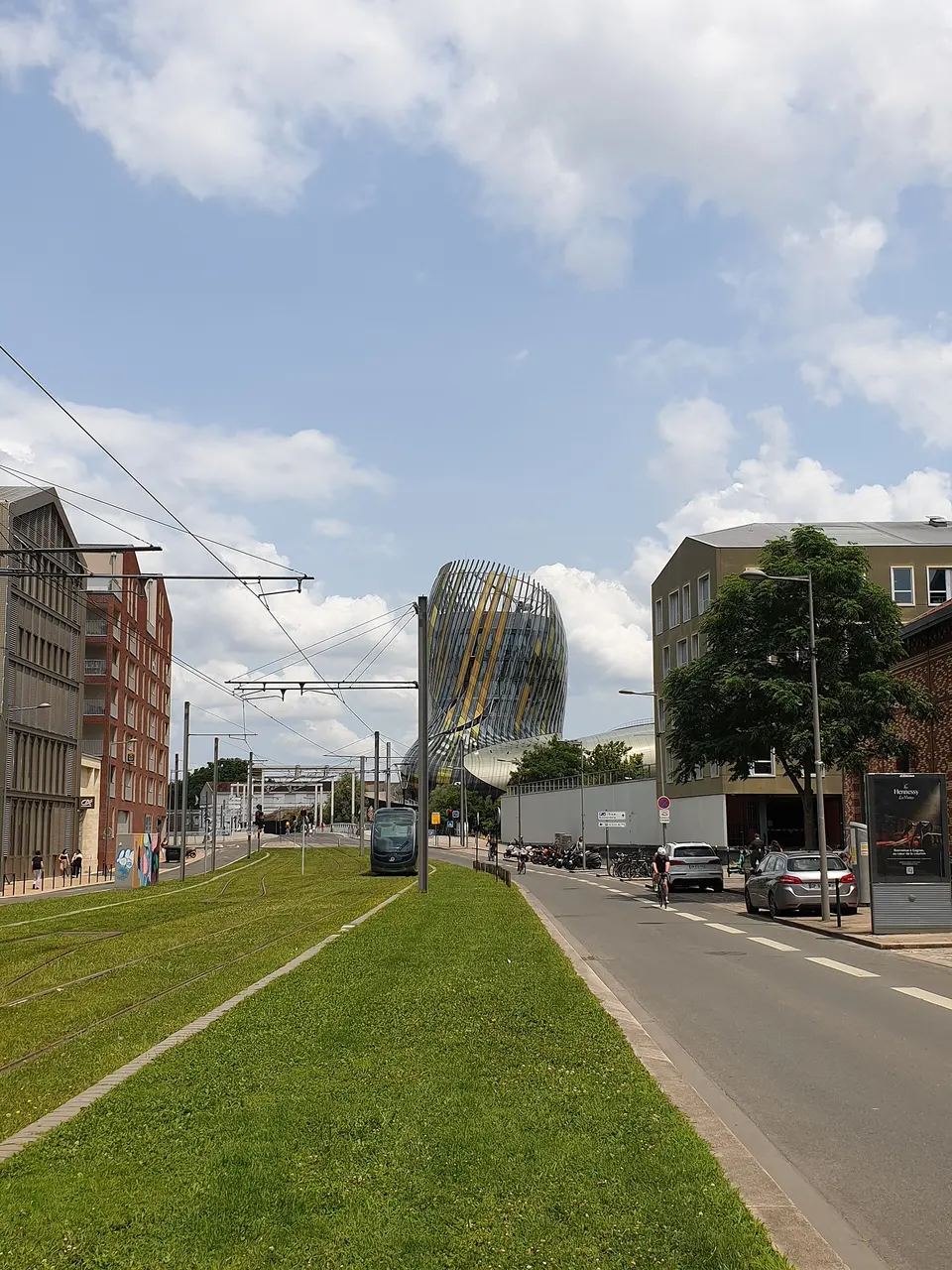
Spend the morning with the permanent exhibition’s history, geography and culture of wine, then use the included viewpoint if covered by your ticket. Workshops and special tastings need additional bookings and time.
Midday
Afternoon
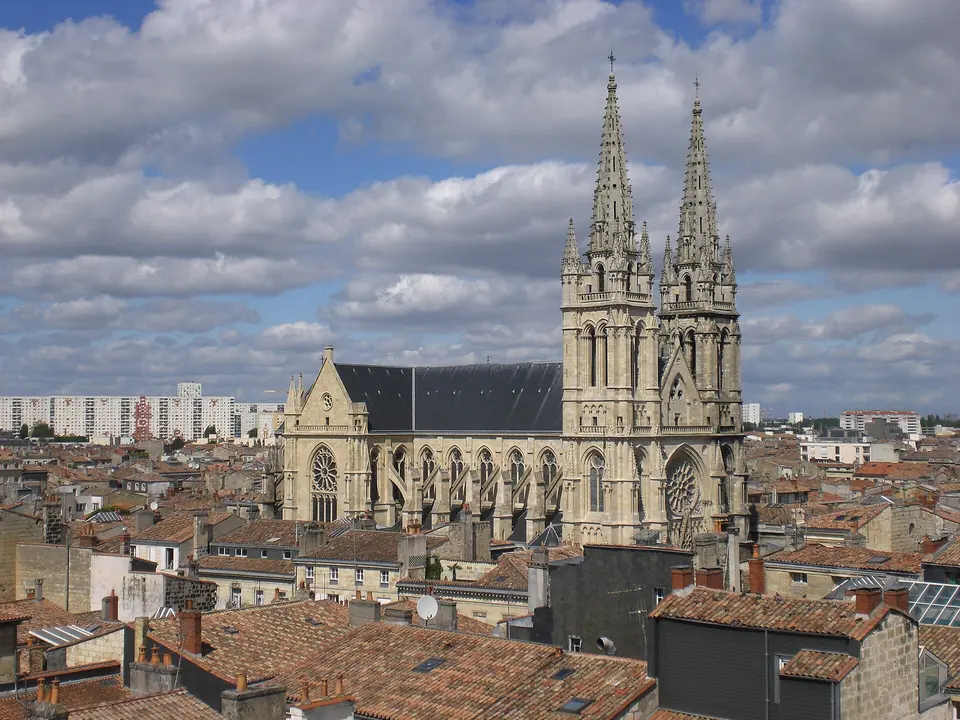
Begin at Saint-Louis-des-Chartrons, entering only when public church access permits, then explore a short section of Rue Notre-Dame and the surrounding lanes. The church provides a clear anchor for the neighbourhood walk.

Explore the exhibitions inside the former warehouse, taking time to notice how the large building shapes the displays. The programme changes, so choose a manageable route on arrival.
Evening
Before you go
Questions
Yes. Reserve the required timed e-ticket and plan the cathedral around that slot.
No. Grosse Cloche is an exterior stop; Porte Cailhau includes its visitor rooms only when open.
No. Water effects depend on season and operating conditions; the square and riverfront remain part of the walk.
No. The museum focuses on wine culture and history. Check non-alcoholic and family options when booking.
No. A substantial visit to either would replace part of the plan; Saint-Émilion also requires separate transport.
More time or less
Keep exploring
THE TRIPWOA APP
Build days around what you love. Follow your route, find your next stop and keep the moments along the way.
 Available for Android
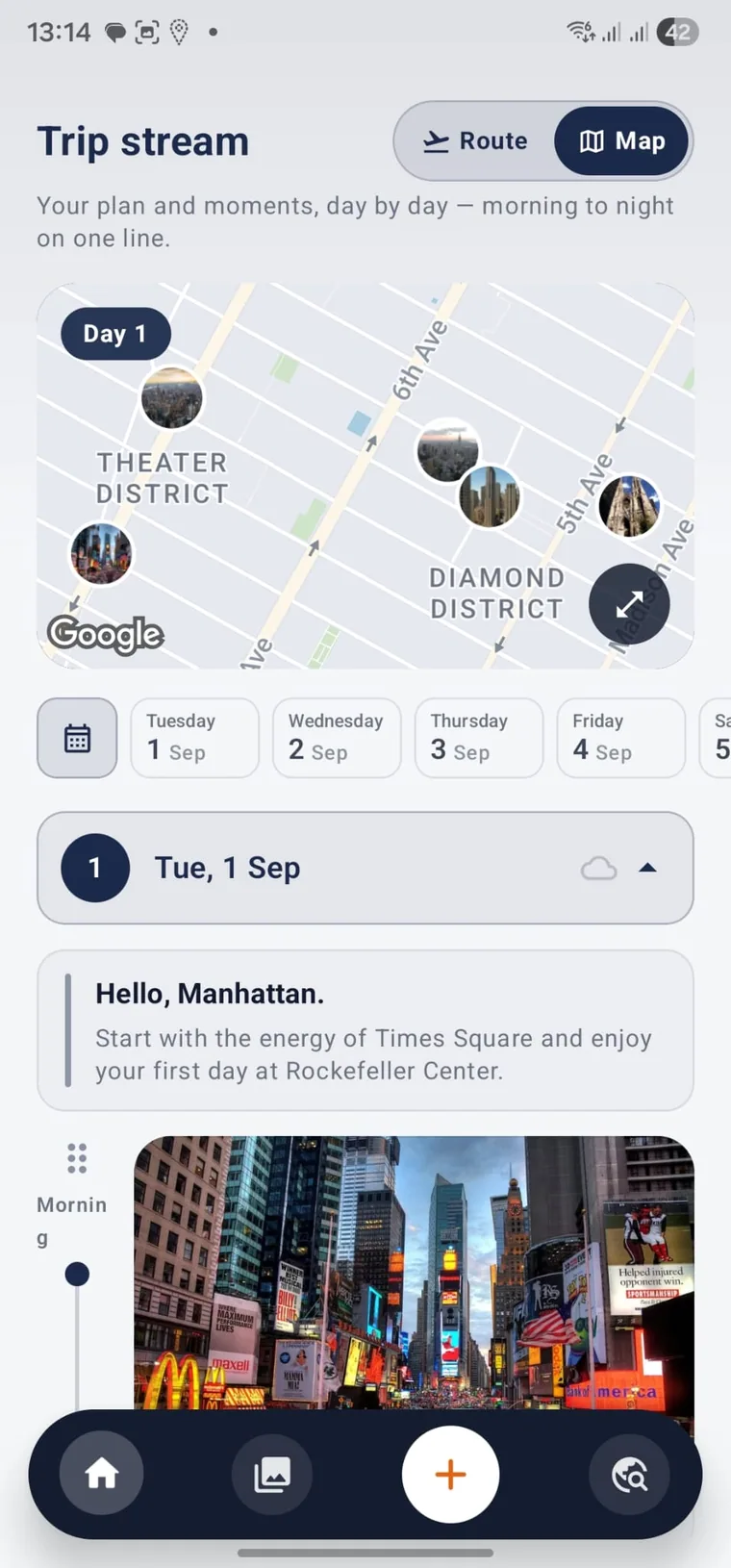
A day that feels like you.
Places and coordinates: Wikidata and Tripwoa's open-data place catalog (Overture Maps Foundation, © OpenStreetMap contributors). Photos: Wikimedia Commons, credited on each image. Practical rules: the official sources linked in each note, checked in September 2026.
How this plan was made: Tripwoa's planner drafted the day order from real coordinates and typical visit times. Each stop was then reviewed, reordered where needed and rewritten with AI assistance. Walking distances are straight-line estimates, so allow a little extra time on real streets.