City itineraries · Belgium
Brussels, day by day
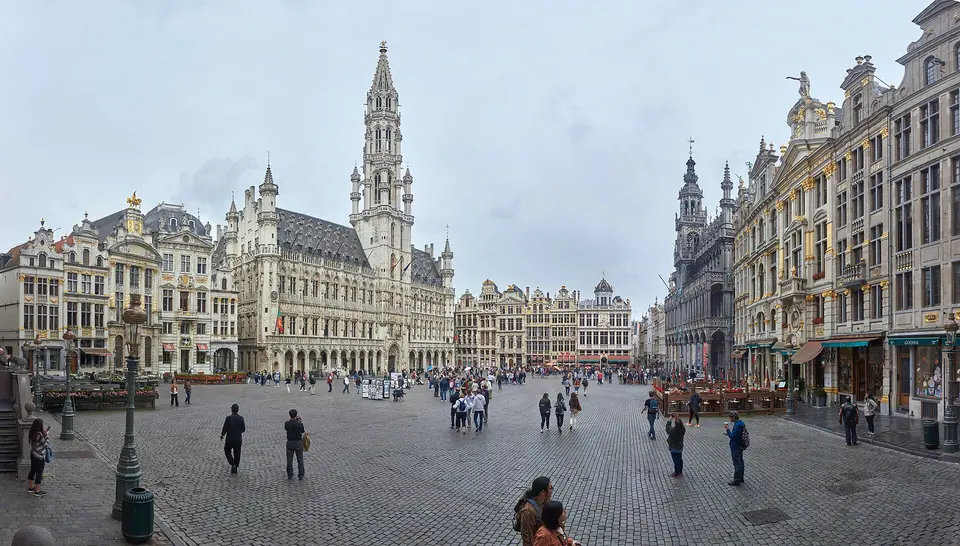
A three-day Brussels itinerary through the historic centre, the museums of the upper town, then the Atomium and Cinquantenaire. Galleries and architecture share the schedule with neighbourhood walks and time for lunch.
Updated 11 September 2026 · 6 official sources checked · report an error
Choose your length
3 days in Brussels
Before you go
Good to know in Brussels
Museum calendars
- The Magritte Museum’s official calendar should determine the upper-town museum day. This route visits the museum at Place Royale, which is different from the René Magritte house museum in Jette.Source: Musée Magritte Museum · checked Sep 2026
Tickets and internal routes
- Online Comic Art Museum tickets are not fast-lane tickets. Admission still needs to be checked, and the museum’s opening calendar includes seasonal exceptions.Source: Comic Art Museum · checked Sep 2026
Plan the outer-city day
- Use the Atomium’s official access page for public transport information and follow the current STIB-MIVB journey plan for the transfer across Brussels.Source: Atomium · checked Sep 2026
Keep exploring