3-day itinerary · Portugal

3 Days in Lisbon

A realistic first-timer plan that gives each part of the city its own day: the Baixa, Alfama and the castle, the riverside monuments of Belém, then the Gulbenkian Museum, Chiado and Bairro Alto. Every stop comes with walking distances and the rules that matter in 2026, including which historic lifts are running.

  • 3days
  • 17sights
  • 4.6 kmon foot between sights

Updated 11 September 2026 · 7 official sources checked · report an error

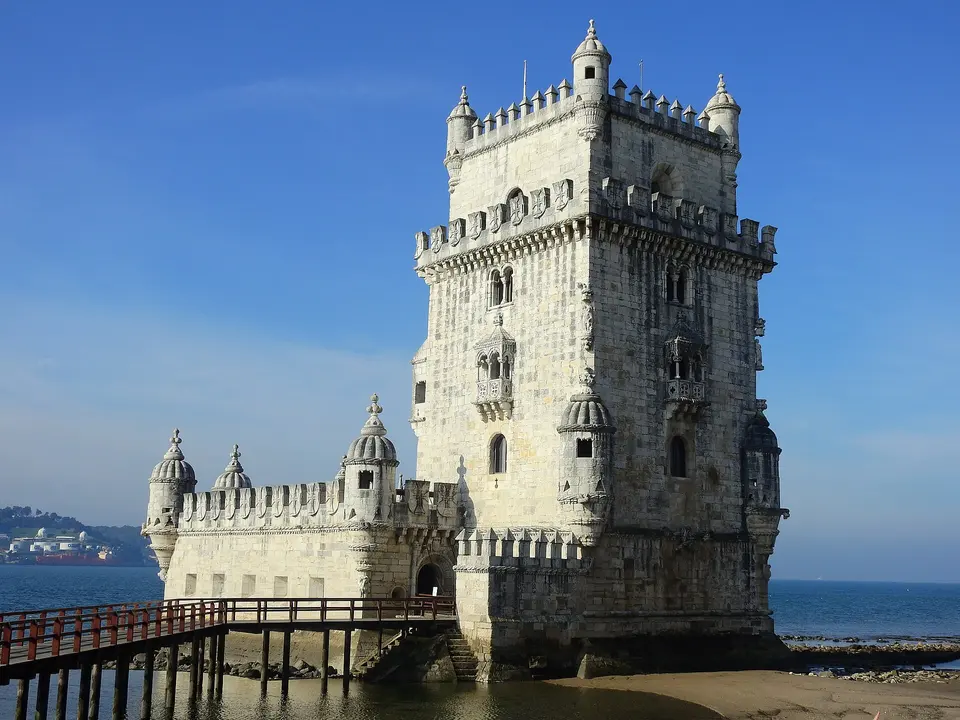
Belém Tower
Photo: Rehman Abubakr, CC BY-SA 4.0

Alfama and the castle, Belém, then Chiado and Bairro Alto

Lisbon is built on hills, so each day stays in one area: day one climbs from Praça do Comércio through Alfama to São Jorge Castle and ends with fado; day two takes the tram or train out to Belém for the Jerónimos Monastery and Belém Tower; day three starts at the Gulbenkian Museum and finishes in the lanes of Chiado and Bairro Alto. Most of the city's historic lifts and funiculars are still closed in 2026, so bring comfortable shoes.

At a glance

Ways to use these days

If it rains
4 of the stops are indoors — Lisbon Cathedral (Sé) · São Jorge Castle · Jerónimos Monastery
For the view
Miradouro de Santa Luzia · Miradouro da Graça
Outdoors
Praça do Comércio and Rua Augusta Arch · Rossio
Lightest day on foot
Day 1 — 2.0 km between stops
Most walking
Day 2 — 7.7 km

Day 1

The Baixa, Alfama and São Jorge Castle

Start on Praça do Comércio, climb past the cathedral to the Santa Luzia viewpoint and São Jorge Castle, watch the sunset from the Graça viewpoint, then come down into Alfama for dinner and fado.

  • 6 sights
  • 2.0 km on foot
  • Longest walk 640 m
123456250 mN
Stops in order, straight-line distancesWalking route in Google Maps ↗

Morning

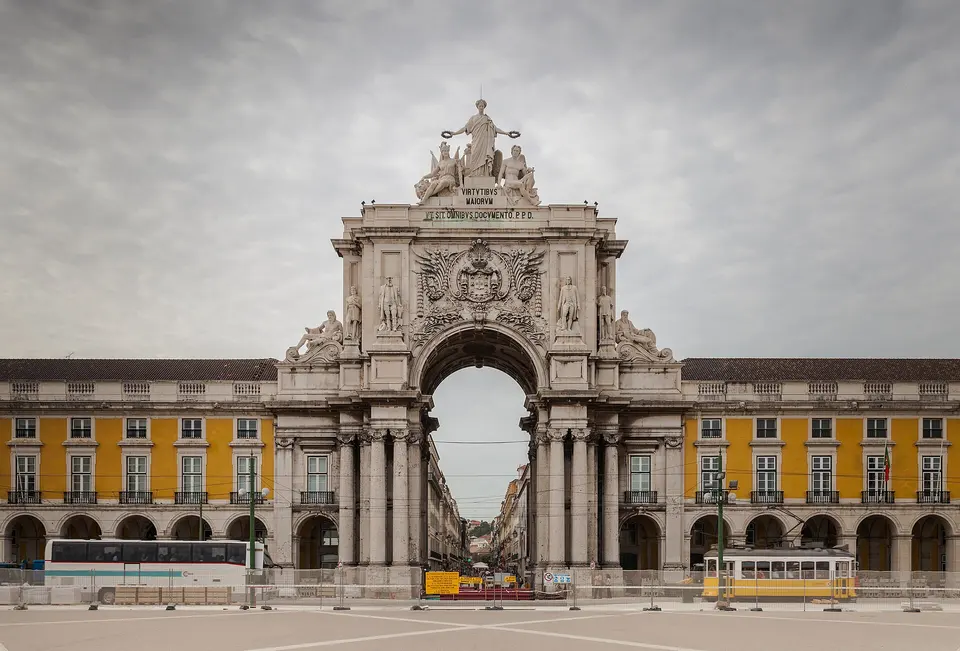
Praça do Comércio and Rua Augusta Arch
Photo: Diego Delso, CC BY-SA 3.0
1Square

Praça do Comércio and Rua Augusta Arch

The royal palace stood on this riverside square until the earthquake of 1755 destroyed it. Rebuilt with arcaded yellow buildings around an equestrian statue of King José I, the square opens to the Tagus on one side and to the Baixa's grid of streets through the Rua Augusta Arch, completed in 1875, whose top you can visit.
  • Plan about 45 min
390 m · about 6 min on foot
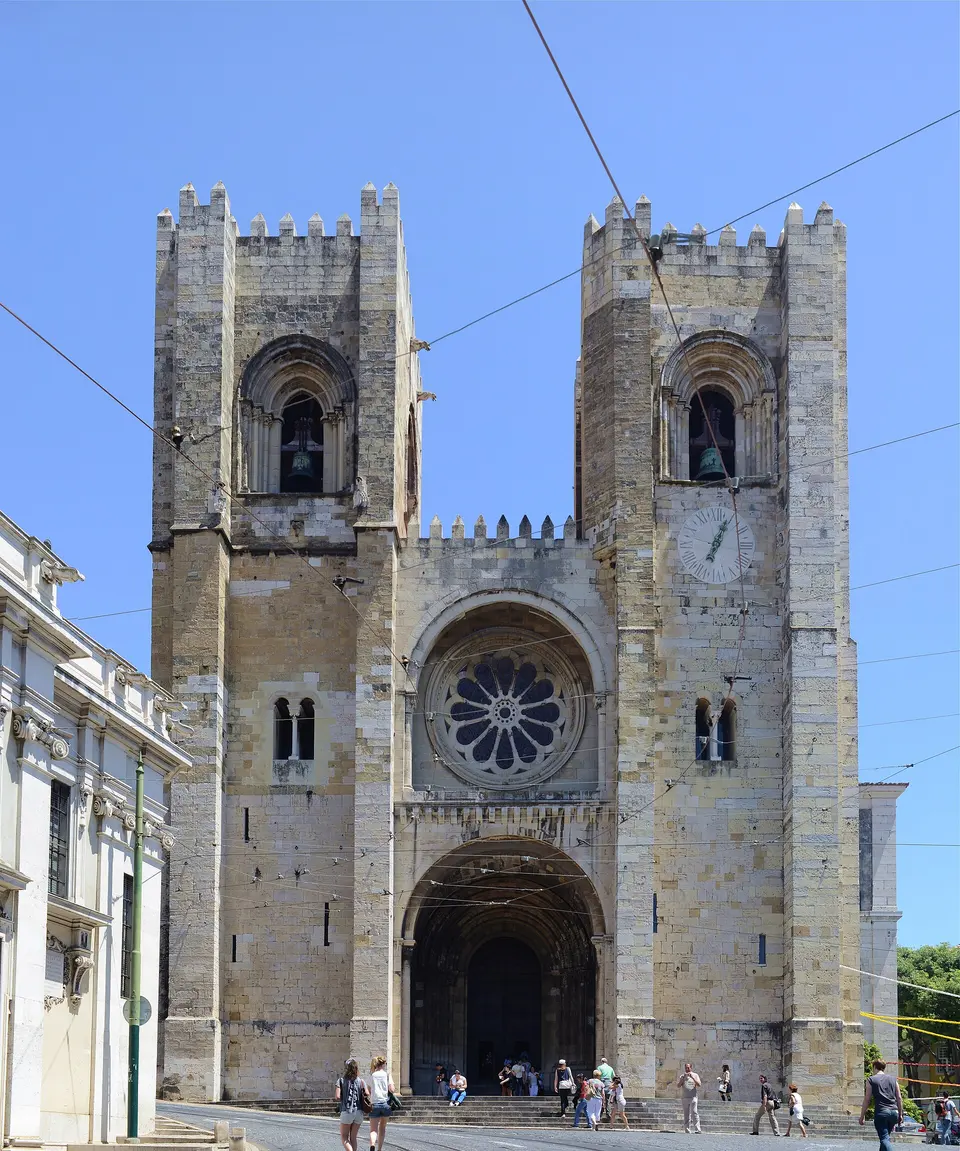
Lisbon Cathedral (Sé)
Photo: Alvesgaspar, CC BY-SA 3.0
2Cathedral

Lisbon Cathedral (Sé)

Begun soon after Afonso Henriques took Lisbon from the Moors in 1147, the fortress-like Romanesque cathedral has come through several earthquakes. Excavations in its cloister have uncovered Roman, Islamic and medieval remains.

  • Plan about 30 min
320 m · about 5 min on foot
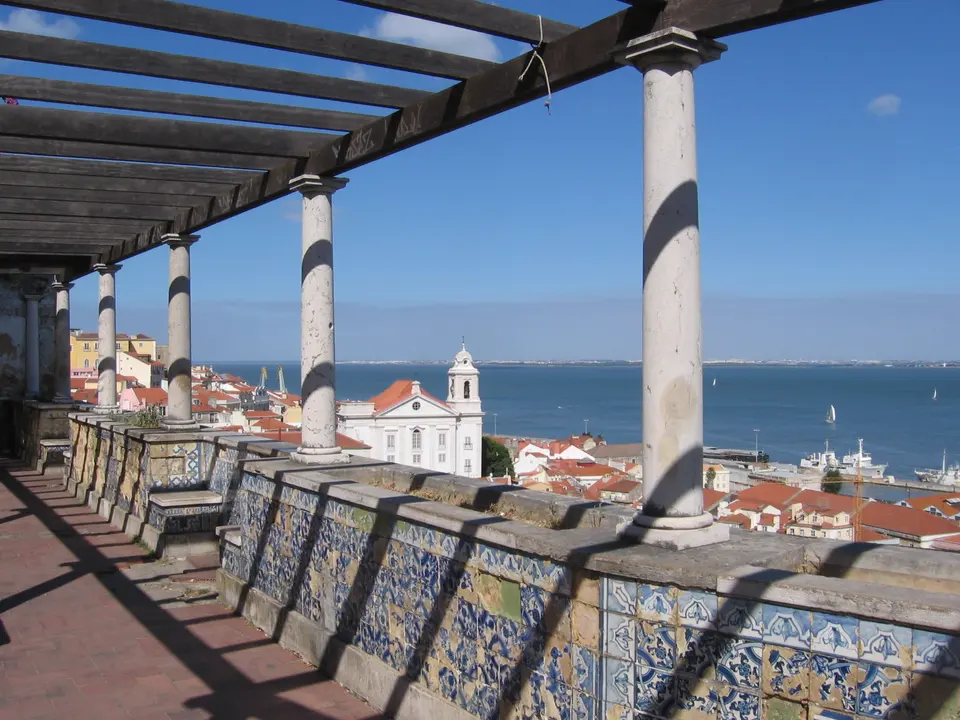
Miradouro de Santa Luzia
Photo: Public domain
3Viewpoint

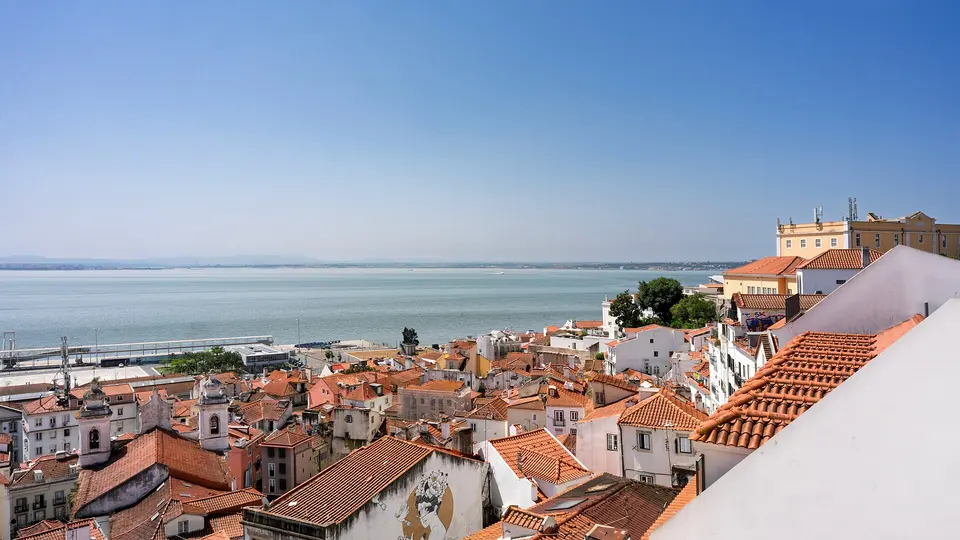
Miradouro de Santa Luzia

A terrace with a bougainvillea-covered pergola and old tile panels, looking over Alfama's rooftops and church towers to the Tagus. The neighbouring Largo das Portas do Sol has a wider view of the same scene.

  • Plan about 20 min

Midday

LunchThe lanes of Alfama below the castle have small, family-run tascas serving grilled fish and a dish of the day.

Afternoon

370 m · about 6 min on foot
São Jorge Castle
Photo: Jakub Hałun, CC BY 4.0
4Castle

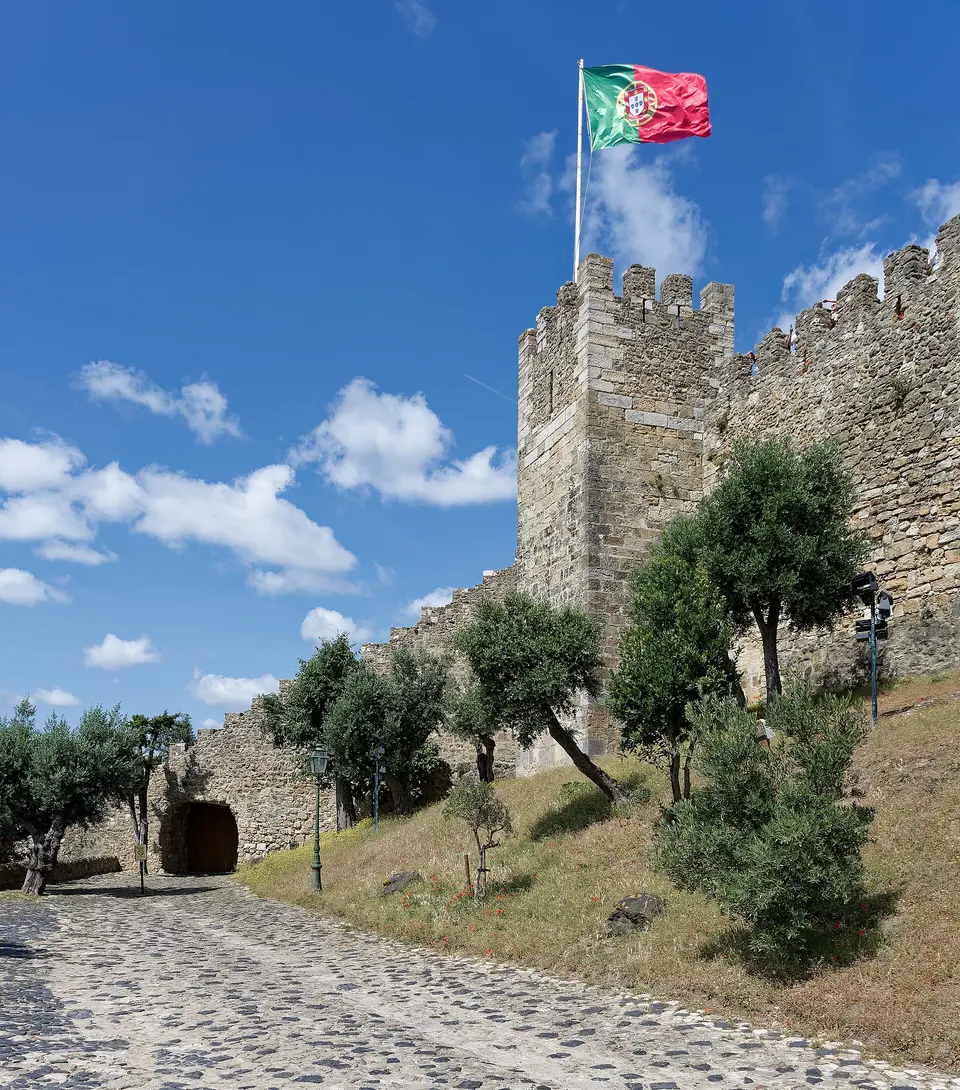
São Jorge Castle

The Moorish castle on the hill above Alfama became a royal residence after the Christian conquest of 1147. Walk its ramparts and towers for views across the whole city, and join one of the visits to the Camera Obscura, included in the ticket, which projects live views of Lisbon.

  • Plan about 1 h 30 min
310 m · about 5 min on foot
Miradouro da Graça
Photo: Filipe Rocha, CC BY-SA 3.0
5Viewpoint

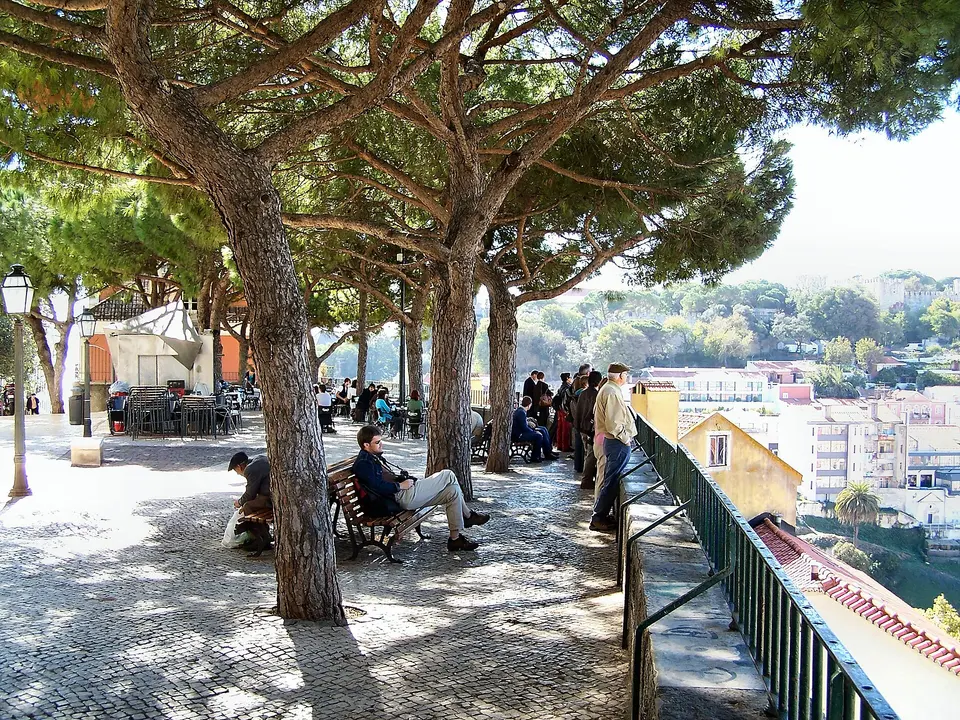
Miradouro da Graça

Beside the church and convent of Graça, this pine-shaded terrace with a kiosk café looks out over the Baixa and the castle towards the river, and is a favourite place to watch the sunset. It is officially named after the poet Sophia de Mello Breyner Andresen.

  • Plan about 30 min

Evening

640 m · about 10 min on foot
Alfama
Photo: Dale Cruse, CC BY 4.0
6Historic neighbourhood

Alfama

Lisbon's oldest quarter kept its maze of alleys, stairways and small squares through the earthquake of 1755. In the evening its restaurants and fado houses fill with fado, the Portuguese song of longing that UNESCO recognised as Intangible Cultural Heritage in 2011.

  • Plan about 2 h
  • Reserve a table at a fado house

Day 2

Belém

Ride out to Belém for the Manueline cloister of the Jerónimos Monastery and the district's famous custard tarts, walk along the river to the Monument to the Discoveries and Belém Tower, then take the train back for dinner at the Time Out Market.

  • 4 sights
  • 1.4 km on foot
  • Longest walk 920 m
12341 kmN
Stops in order, straight-line distancesWalking route in Google Maps ↗

Morning

Jerónimos Monastery
Photo: Holger Uwe Schmitt, CC BY-SA 4.0
1Monastery

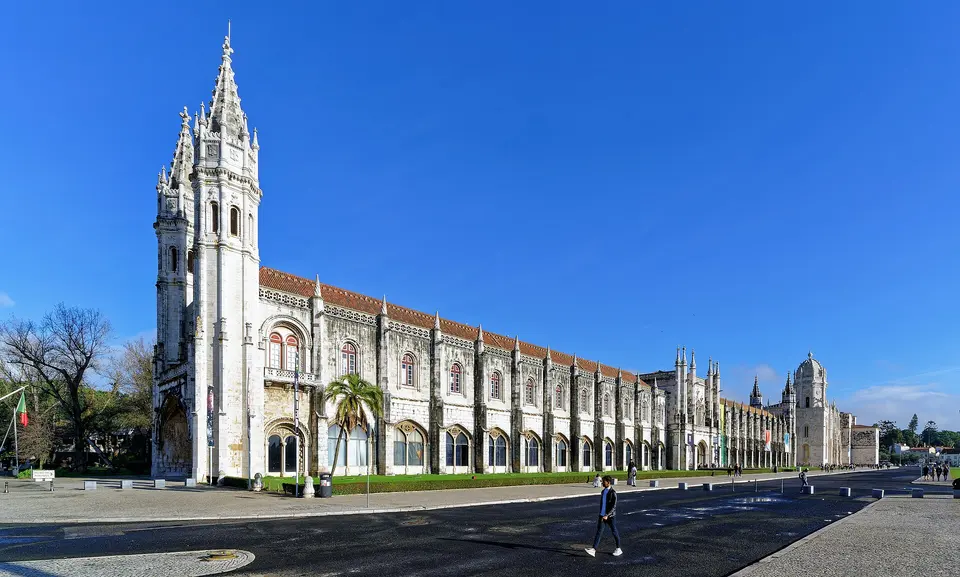
Jerónimos Monastery

King Manuel I founded the monastery in the early 1500s, paid for with the profits of the spice trade. Its two-storey cloister is the masterpiece of the Manueline style, carved with ropes, sea creatures and exotic plants, and Vasco da Gama's tomb lies in the church, which is free to visit.

  • Plan about 1 h 30 min
  • Closed on Mondays; tram 15E or the train to Belém

Midday

LunchPastéis de Belém, a few steps from the monastery, has been baking its custard tarts since 1837; the streets nearby have simple restaurants for lunch.

Afternoon

460 m · about 7 min on foot
Monument to the Discoveries
Photo: Jean-Christophe BENOIST, CC BY 4.0
2Monument

Monument to the Discoveries

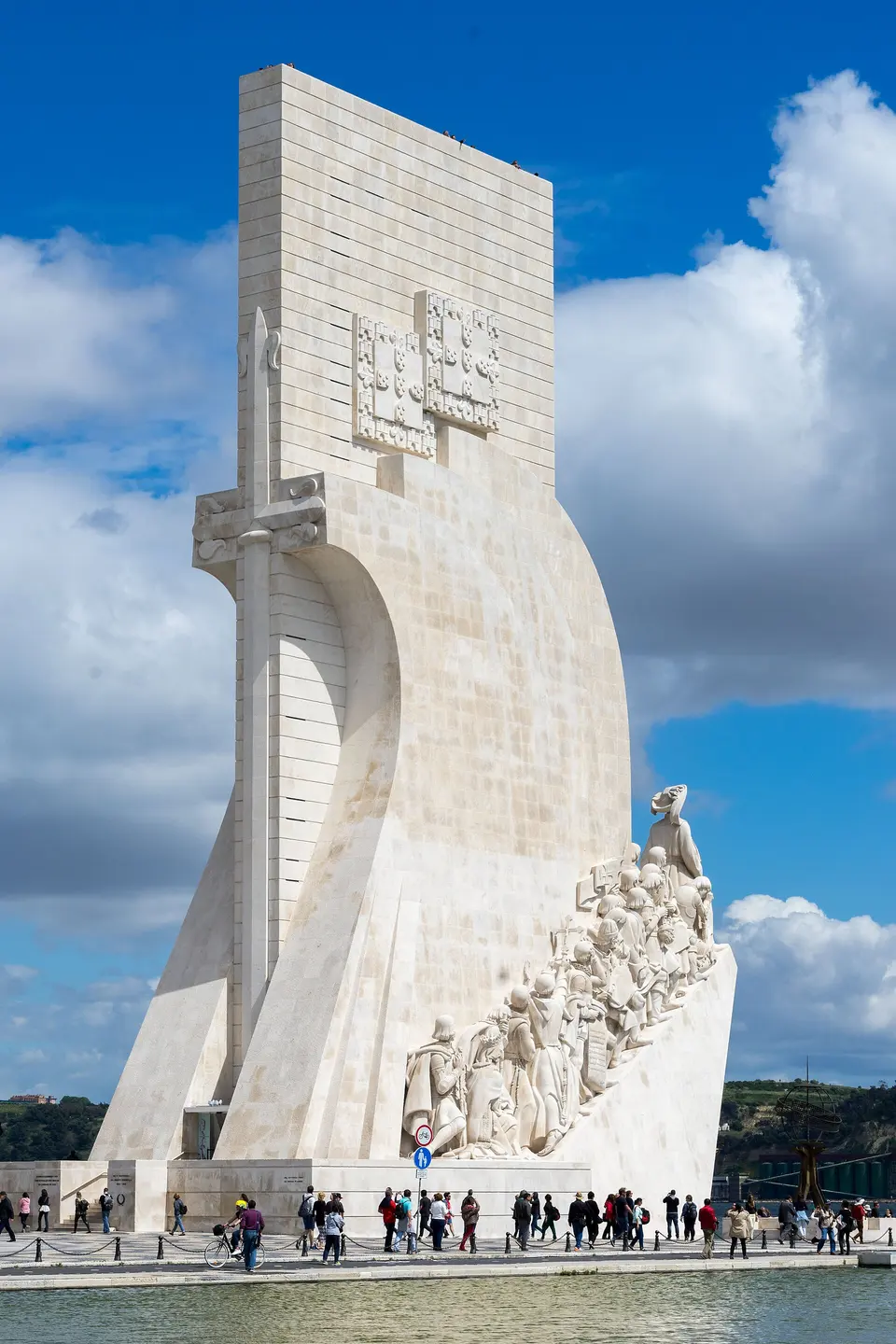
Shaped like the prow of a ship, the Padrão dos Descobrimentos was rebuilt in stone in 1960 for the 500th anniversary of the death of Henry the Navigator, who leads a line of explorers, monarchs and missionaries towards the Tagus. A lift climbs to the top, and the compass rose set in the pavement in front holds a world map of Portuguese voyages.

  • Plan about 30 min
920 m · about 14 min on foot
Belém Tower
Photo: Rehman Abubakr, CC BY-SA 4.0
3Fortified tower

Belém Tower

Built in the 1510s to guard the river entrance to Lisbon, the tower is a jewel of Manueline architecture, with carved ropes, armillary spheres, a stone rhinoceros head and Renaissance loggias over the water. It reopened in May 2026 after conservation work, with entry by timed slot.

  • Plan about 45 min
  • Closed on Mondays; timed entry

Evening

Walk back to Belém station and take the train to Cais do Sodré, about 30 minutes in all
Time Out Market Lisboa
Photo: Sonse, CC BY 2.0
4Food hall

Time Out Market Lisboa

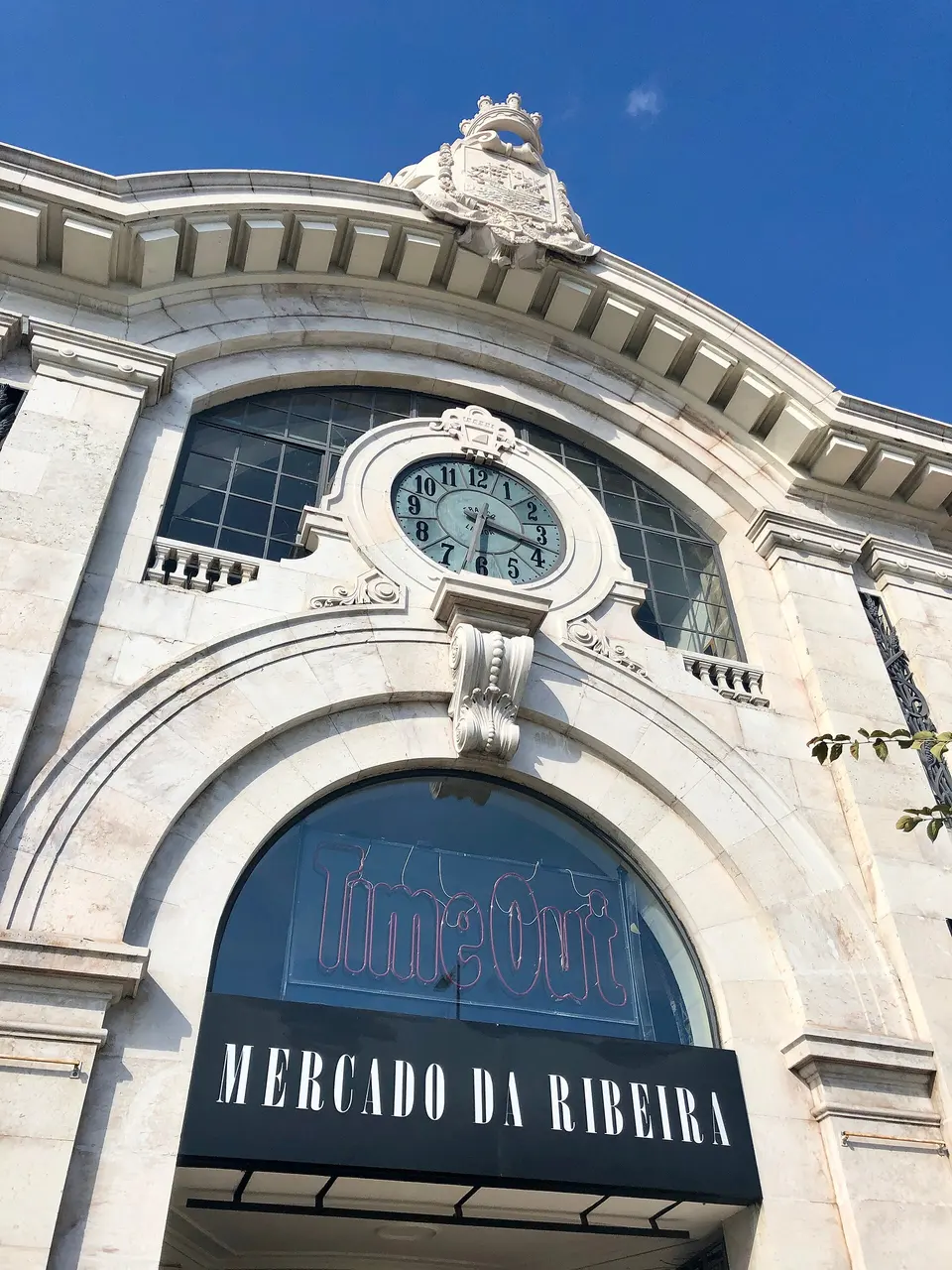
Opened in 2014 inside the Mercado da Ribeira, the old market hall at Cais do Sodré, this food hall gathers counters run by well-known Lisbon chefs and restaurants around long shared tables.

  • Plan about 1 h 30 min

Day 3

The Gulbenkian, Chiado and Bairro Alto

Start with the Gulbenkian Museum and its garden, take the metro back to Rossio, climb to the roofless Carmo Convent and the cafés of Chiado, see São Roque church, then watch the evening light from São Pedro de Alcântara before a night in Bairro Alto.

  • 7 sights
  • 1.2 km on foot
  • Longest walk 360 m
12345671 kmN
Stops in order, straight-line distancesWalking route in Google Maps ↗

Morning

Calouste Gulbenkian Museum
Photo: Drew Tarvin, CC BY 2.0
1Art museum

Calouste Gulbenkian Museum

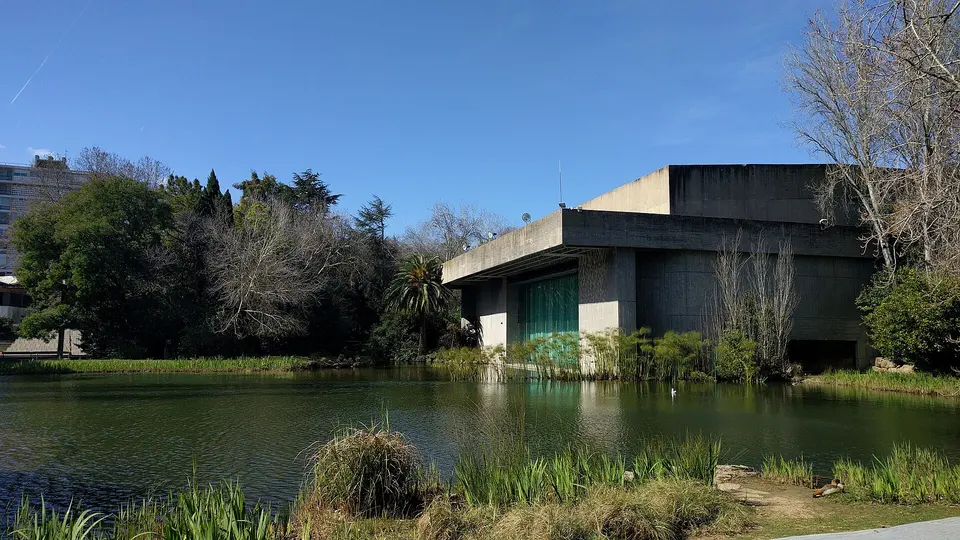
The collection of the oil magnate Calouste Gulbenkian ranges from ancient Egypt, Greece and Rome to Islamic art, Chinese porcelain, European paintings and a room of René Lalique's jewellery. The museum building, designed in 1969, sits in a modernist garden of ponds and paths.

  • Plan about 2 h 30 min
  • Closed on Tuesdays; metro to São Sebastião
Blue metro line from São Sebastião to Restauradores, then a five-minute walk; about 20 minutes in all
Rossio
Photo: Bznein, CC BY-SA 3.0
2Square

Rossio

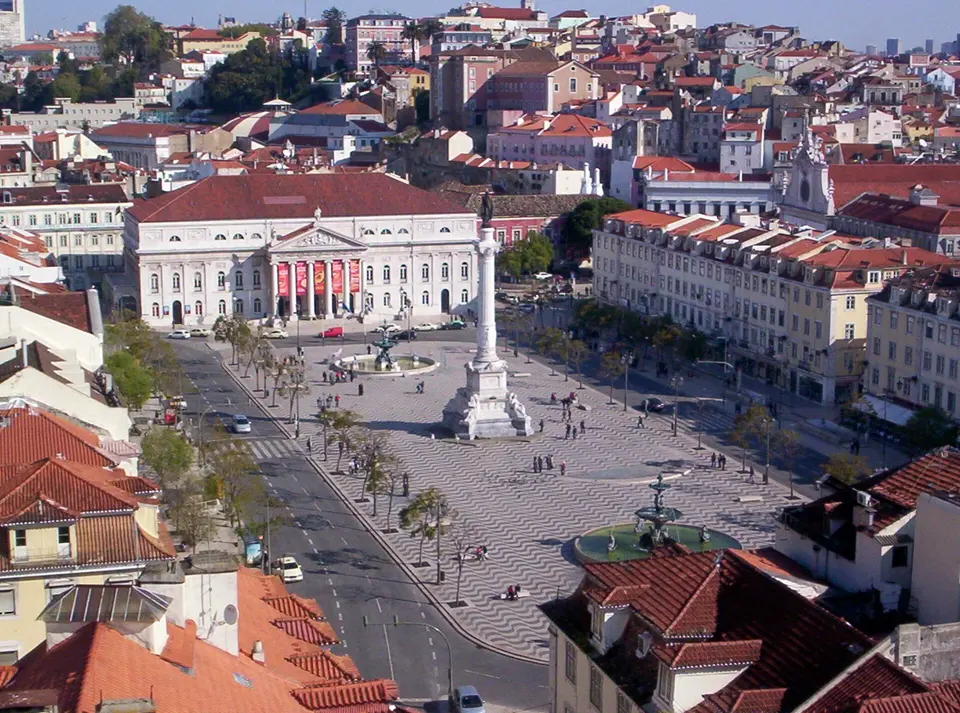
Officially Praça Dom Pedro IV, Lisbon's liveliest square has been a meeting place since the Middle Ages. Its wave-patterned black-and-white paving spreads around two bronze fountains and the column of King Pedro IV, with the National Theatre D. Maria II on the north side and the horseshoe-arched facade of Rossio station close by.

  • Plan about 20 min

Midday

LunchHave lunch in the Baixa's grid of streets below Rossio, and try a small glass of ginjinha, the local sour-cherry liqueur, at one of the tiny bars around the square.

Afternoon

190 m · about 3 min on foot
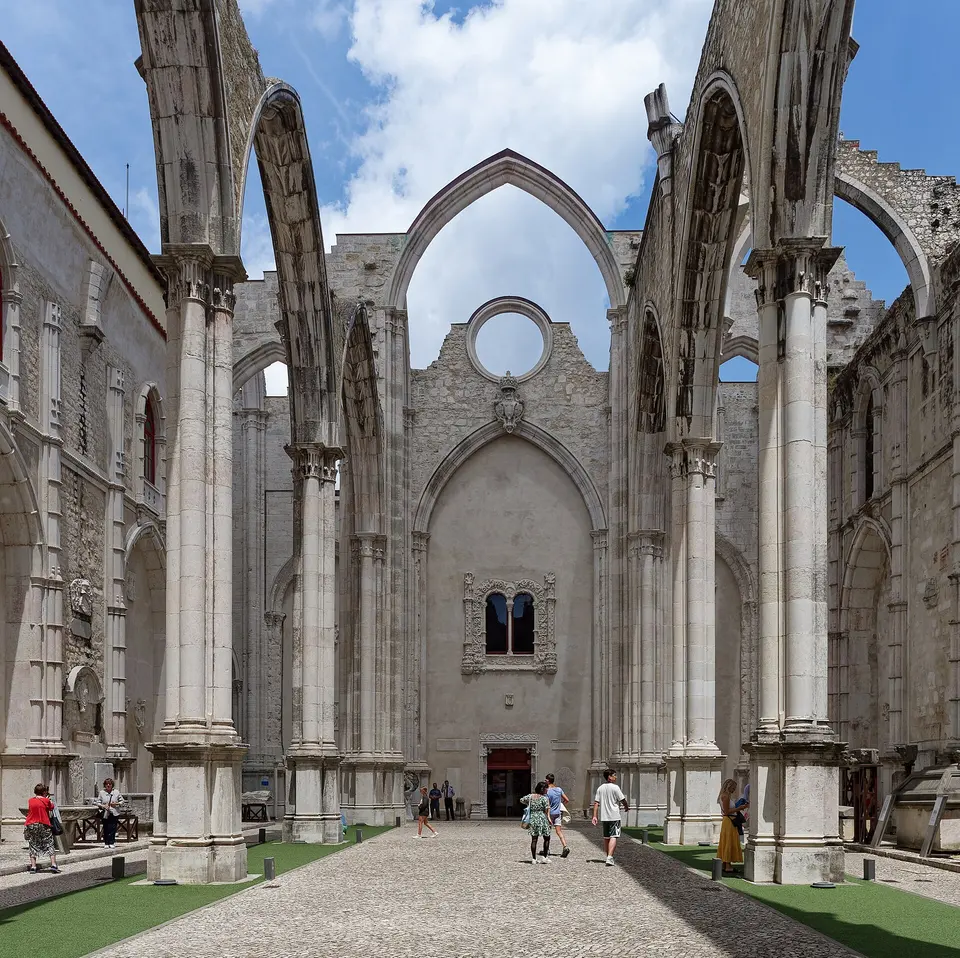
Carmo Convent ruins
Photo: Jakub Hałun, CC BY 4.0
3Ruined Gothic church

Carmo Convent ruins

The roof of this Gothic church collapsed in the 1755 earthquake, and its arches have stood open to the sky ever since. The ruins house the Carmo Archaeological Museum, and the square outside, Largo do Carmo, saw the decisive moment of the Carnation Revolution in April 1974.

  • Plan about 45 min
270 m · about 4 min on foot
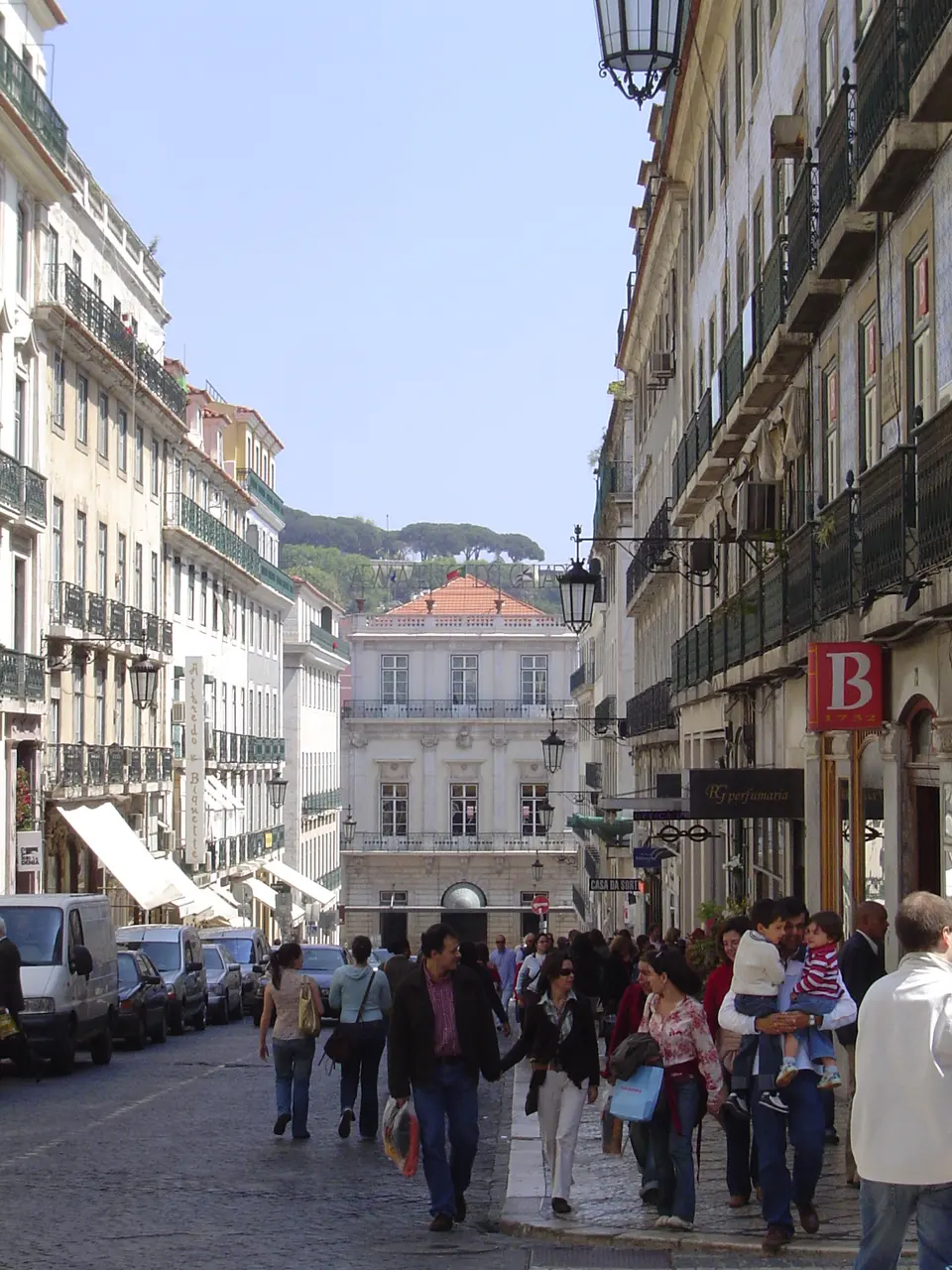
Chiado
Photo: Scalleja, CC BY-SA 2.0
4Historic neighbourhood

Chiado

Lisbon's elegant shopping and café district was carefully rebuilt after a fire in 1988. Writers once met at Café A Brasileira, where a bronze statue of the poet Fernando Pessoa now sits at an outdoor table, and nearby Livraria Bertrand has been selling books since 1732.

  • Plan about 1 h
360 m · about 6 min on foot
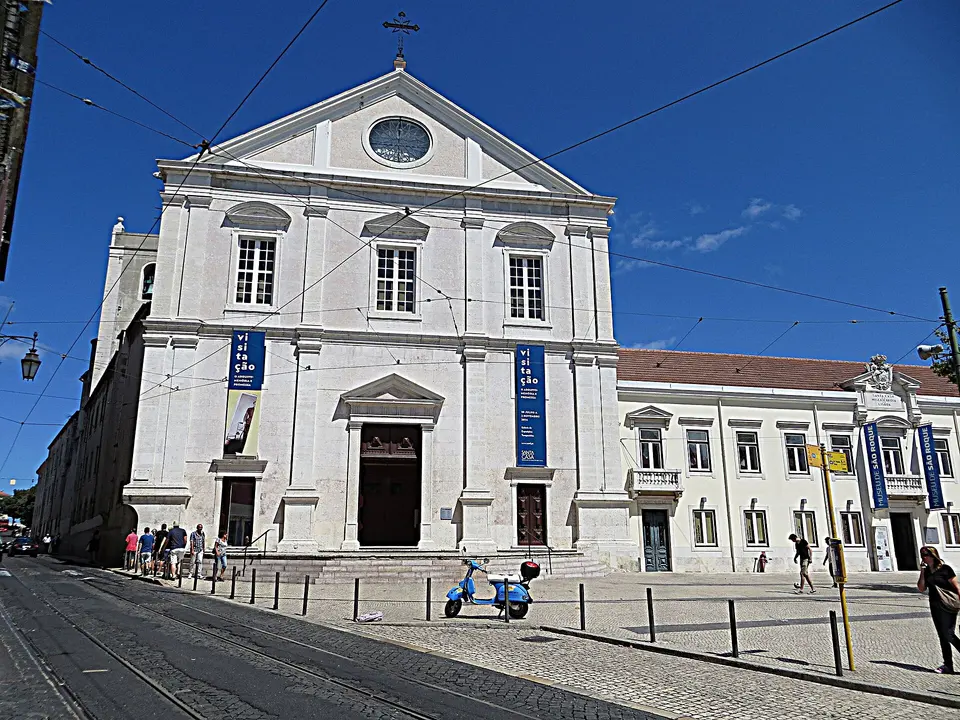
Church of São Roque
Photo: Mister No, CC BY 3.0
5Jesuit church

Church of São Roque

Behind a plain facade, this 16th-century Jesuit church hides one of Lisbon's richest interiors. The Chapel of St John the Baptist, made in Rome from marble, lapis lazuli and gilded bronze, was blessed by the Pope before being shipped to Lisbon in the 1740s.

  • Plan about 30 min

Evening

200 m · about 3 min on foot
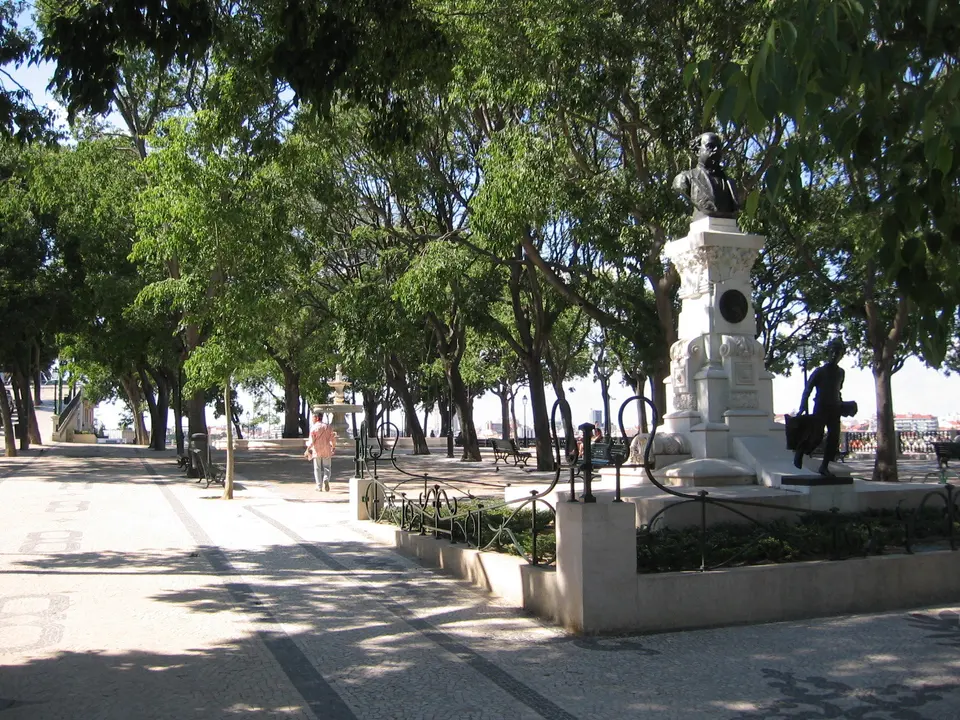
Miradouro de São Pedro de Alcântara
Photo: CorreiaPM, Public domain
6Viewpoint garden

Miradouro de São Pedro de Alcântara

This two-level garden terrace looks across the valley of the Baixa to São Jorge Castle and Graça on the opposite hill, with a tiled panel that names the landmarks. It is at its best in the early evening, when the light turns the castle walls golden.

  • Plan about 20 min
180 m · about 3 min on foot
Bairro Alto
Photo: Dudva, CC BY-SA 4.0
7Nightlife district

Bairro Alto

Laid out in the 16th century as a grid of narrow streets, the 'upper quarter' is quiet by day and fills up late in the evening, when its small bars spill out onto the cobbles and the tascas serve dinner.

  • Plan about 2 h

Good to know in Lisbon

Tickets and opening days

  • The Jerónimos Monastery cloister is open Tuesday to Sunday 9:30–17:30, with last entry at 17:00; visiting the church is free. Closed on Mondays.Source: Museus e Monumentos de Portugal · checked Sep 2026
  • Belém Tower reopened to visitors on 27 May 2026 after conservation work, with entry by timed slot.Source: Museus e Monumentos de Portugal · checked Sep 2026
  • Belém Tower is open Tuesday to Sunday 9:00–17:30 and closed on Mondays.Source: Museus e Monumentos de Portugal · checked Sep 2026
  • São Jorge Castle is open every day, 9:00–21:00 from March to October and 9:00–18:00 from November to February.Source: Castelo de São Jorge · checked Sep 2026
  • The Calouste Gulbenkian Museum is open 10:00–18:00, until 21:00 on Saturdays, and closed on Tuesdays.Source: Calouste Gulbenkian Foundation · checked Sep 2026

Getting around

  • The Graça funicular reopened on 30 April 2026. The Glória, Bica and Lavra funiculars and the Santa Justa lift were still out of service in September 2026, with no reopening date.Source: Lisboa Para Pessoas · checked Sep 2026

Stay safe

  • Take care on public transport and at crowded tram and bus stops: thieves use distraction techniques and often work in teams.Source: GOV.UK travel advice · checked Sep 2026

3 days in Lisbon: quick answers

Is 3 days enough for Lisbon?

Three days cover the old centre, the castle and Belém at a steady pace. A fourth day allows a day trip to the palaces of Sintra or the seaside at Cascais.

Are Lisbon's historic lifts and funiculars running?

Only partly. The Graça funicular reopened in April 2026, but the Glória, Bica and Lavra funiculars and the Santa Justa lift were still closed in September 2026, with no reopening date. This plan does not depend on any of them.

Which days are the main sights closed?

The Jerónimos Monastery and Belém Tower are closed on Mondays, and the Gulbenkian Museum on Tuesdays. If day two falls on a Monday, swap days two and three.

How do I get to Belém?

Tram 15E runs from the city centre to Belém, and trains on the Cascais line stop at Belém station; this plan takes the train back to Cais do Sodré in the evening.

How much walking is this itinerary?

Between sights it comes to roughly 1 to 2 km a day in a straight line, but Lisbon's streets are steep, so allow extra time for the climbs.

Other Lisbon itineraries

Keep exploring

Where this connects

THE TRIPWOA APP

Go somewhere.
Make it yours.

Build days around what you love. Follow your route, find your next stop and keep the moments along the way.

Get it on Google PlayAvailable for Android
Free to start
Tripwoa home with a Paris trip and nearby places to explore
Tripwoa day plan for New York with a route map and Times Square stop

A day that feels like you.

Sources and method

Places and coordinates: Wikidata and Tripwoa's open-data place catalog (Overture Maps Foundation, © OpenStreetMap contributors). Photos: Wikimedia Commons, credited on each image. Practical rules: the official sources linked in each note, checked in September 2026.

How this plan was made: Tripwoa's planner drafted the day order from real coordinates and typical visit times. Each stop was then reviewed, reordered where needed and rewritten with AI assistance. Walking distances are straight-line estimates, so allow a little extra time on real streets.