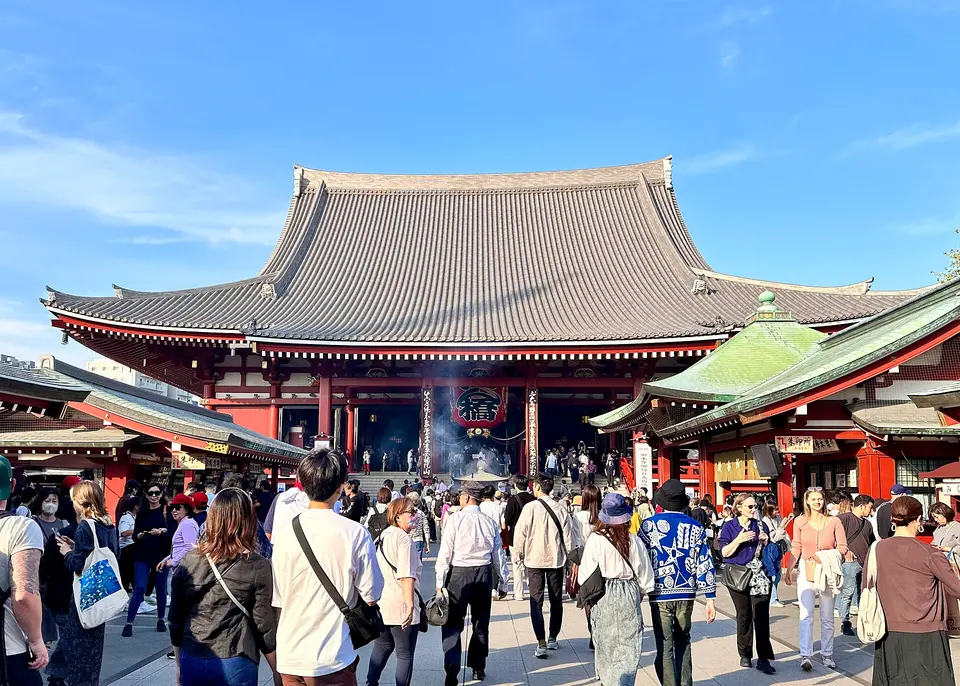
Sensō-ji and Nakamise
Enter through the temple approach and follow Nakamise toward the main hall. The gates, shopping passage and temple belong to one visit, with time to look at the buildings and step away from the busiest flow.
3-day itinerary · Japan
Three Tokyo days through Asakusa and Ueno, the shrine and streets of western Tokyo, then the palace gardens and central art districts. Train connections keep distant neighbourhoods from becoming an exhausting cross-city walk.
Updated 11 September 2026 · 5 official sources checked · report an error

The plan at a glance
Use three full days, with the eastern sights together on one day and Harajuku and Shibuya on another. The central day links the public East Gardens with Nihonbashi and Ginza. Check the garden and museum calendars before choosing the order: these are three interchangeable sightseeing days, not a Monday-to-Wednesday schedule. Two observation decks are included as different city perspectives; either can be replaced with more time at ground level.
At a glance
Day 1
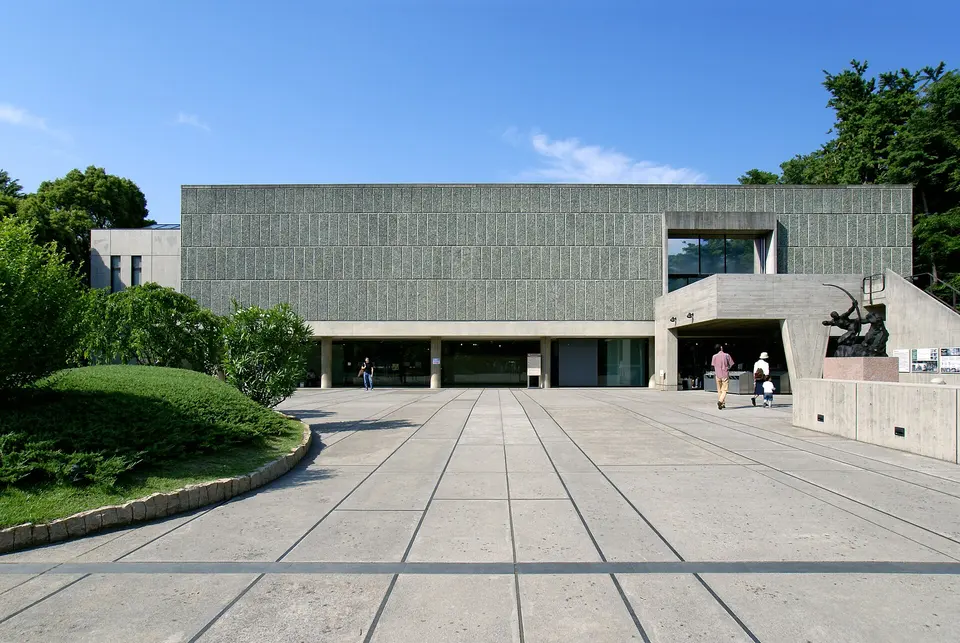
Begin at Sensō-ji, then use local transport to Skytree for your reserved viewing time. After lunch, travel to Ueno and take a short park walk before the National Museum of Western Art. Start early enough to reach the museum well before its last admission.
Morning

Enter through the temple approach and follow Nakamise toward the main hall. The gates, shopping passage and temple belong to one visit, with time to look at the buildings and step away from the busiest flow.

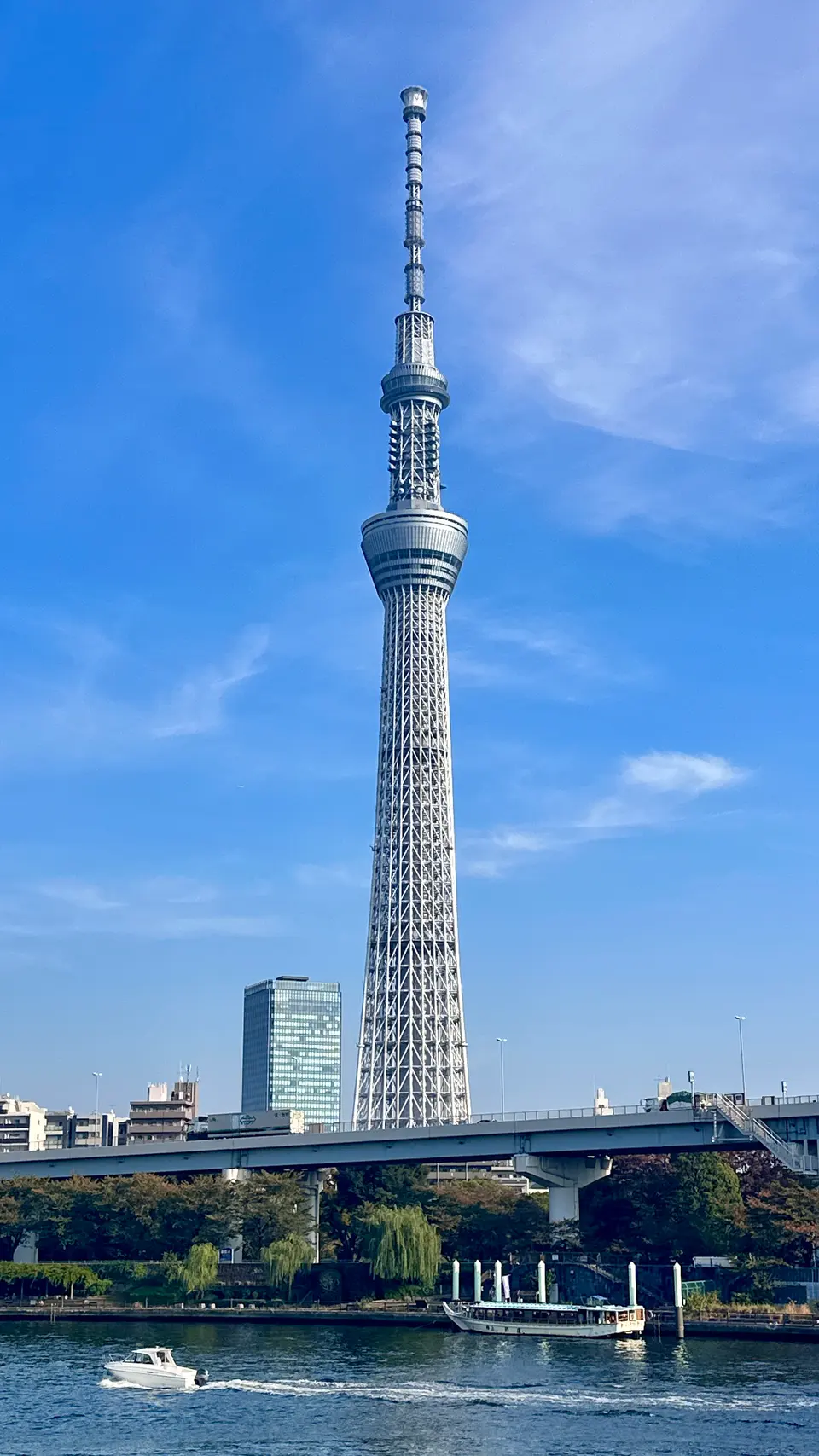
The tower provides a broad view across eastern Tokyo and the river. Choose the observation deck included in your ticket; this allowance does not include the aquarium or a long shopping session in the complex below.
Midday
Afternoon

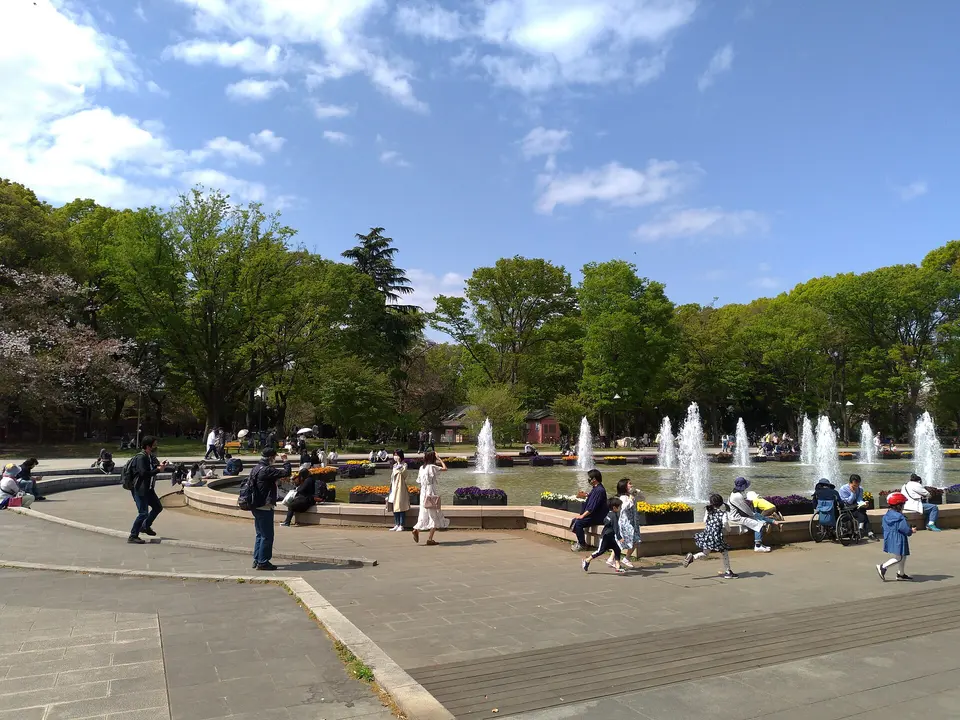
Take a short walk through the park toward its museum quarter. The lawns, trees and paths provide a break between the tower and the afternoon collection; the zoo and other museums need separate visits.

A focused selection of European paintings and sculpture fills the afternoon in Ueno. Follow the permanent collection at an unhurried pace, leaving a special exhibition for another visit if it would extend the day.
Evening
Day 2
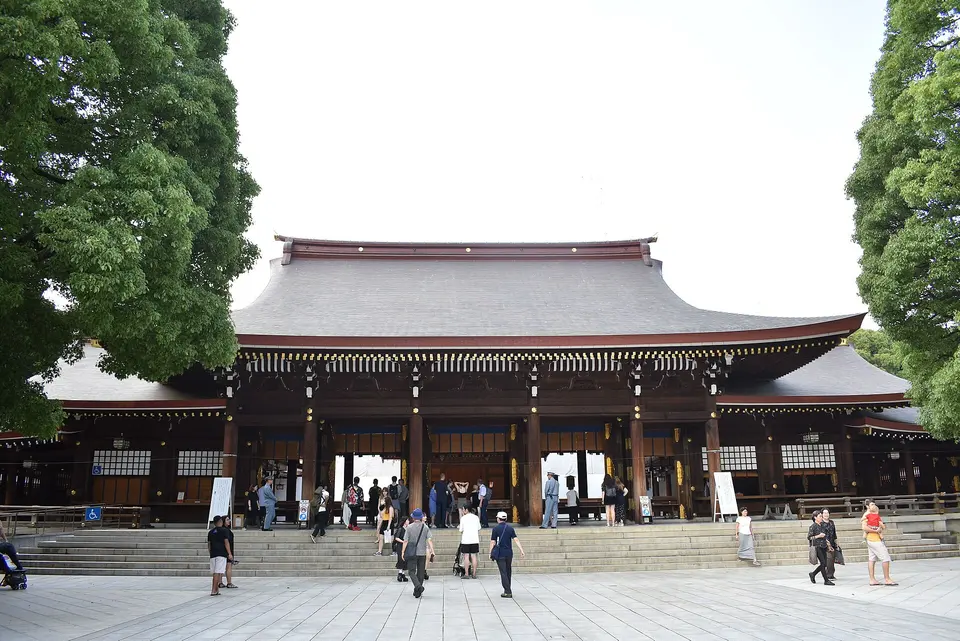
Walk the shrine approaches in the morning, then slow down in nearby Yoyogi Park. After lunch around Harajuku, move to Shibuya for its streets and a reserved observation-deck visit.
Morning

Wooded approaches lead from Harajuku into the shrine precinct. Walk through the grounds to the main courtyard, allowing time for the approach as well as the shrine itself; the inner garden and museum are separate choices.

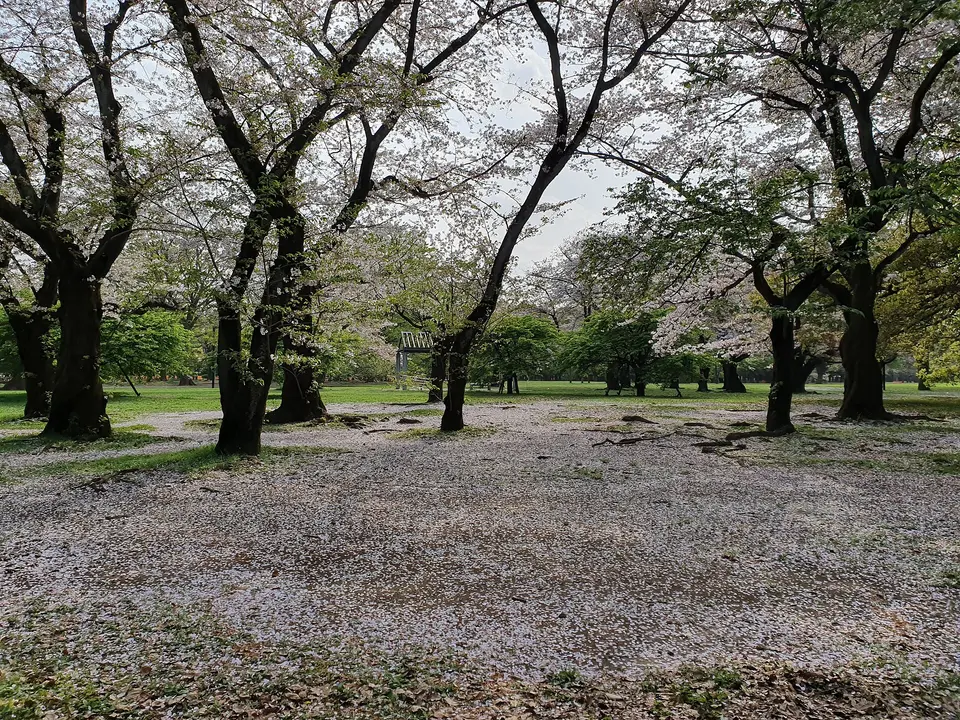
Use the eastern part of the park for a relaxed walk after the shrine. This is a green pause near Harajuku, with time to sit; a circuit of the entire park is unnecessary.
Midday
Afternoon

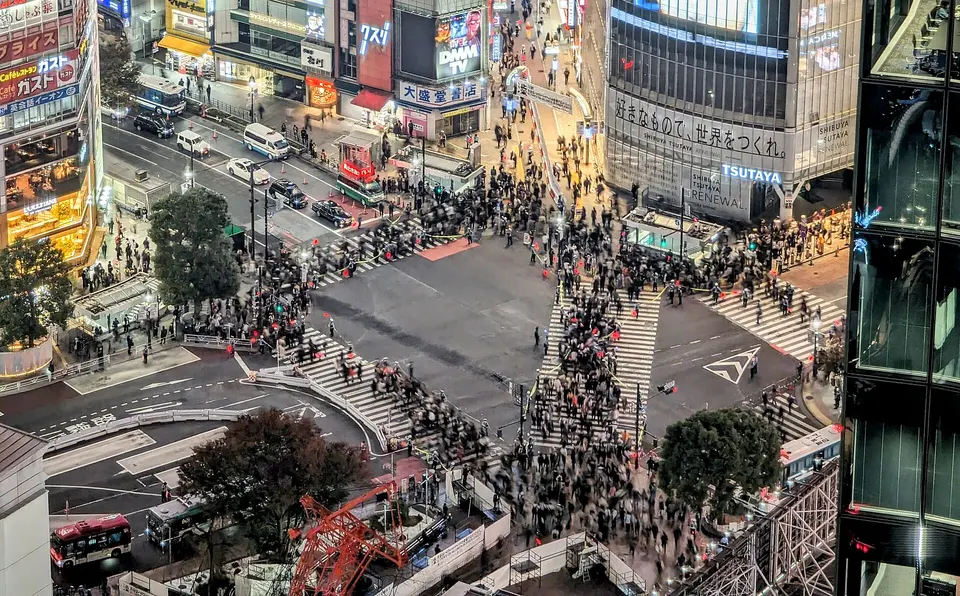
Watch a few crossing cycles, then join the pedestrian flow and explore the nearby streets. The crossing and station-side lanes form a short neighbourhood visit rather than a single photo stop.

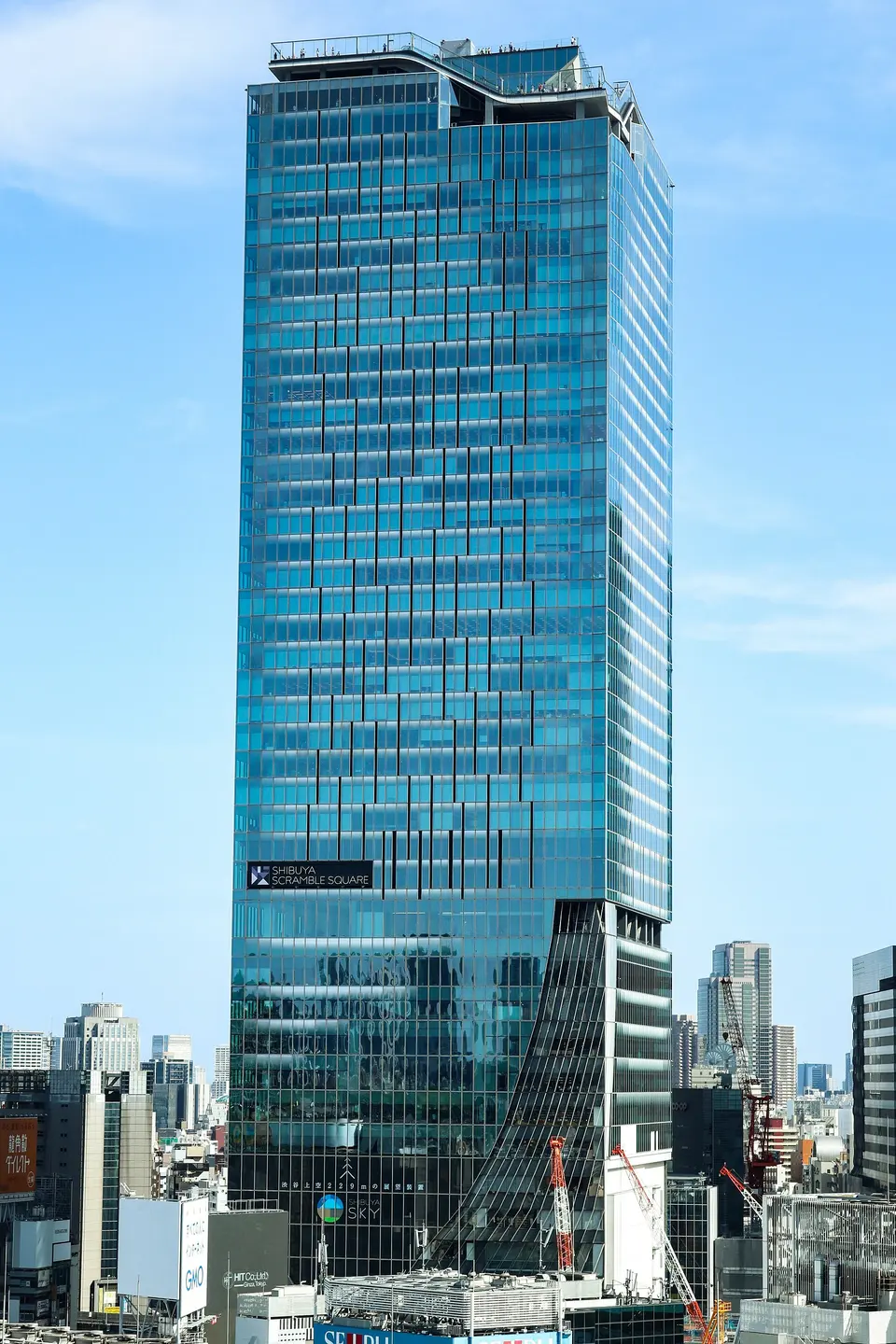
The observation experience at Shibuya Scramble Square gives another perspective on the city, this time from its busy western centre. Choose a reserved time and allow for the entry sequence before reaching the view.
Evening
Day 3
Begin with a selected walk in the East Gardens, then head to Nihonbashi for lunch and the Mitsui Memorial Museum’s current exhibition. Finish with a slower look around Ginza.
Morning

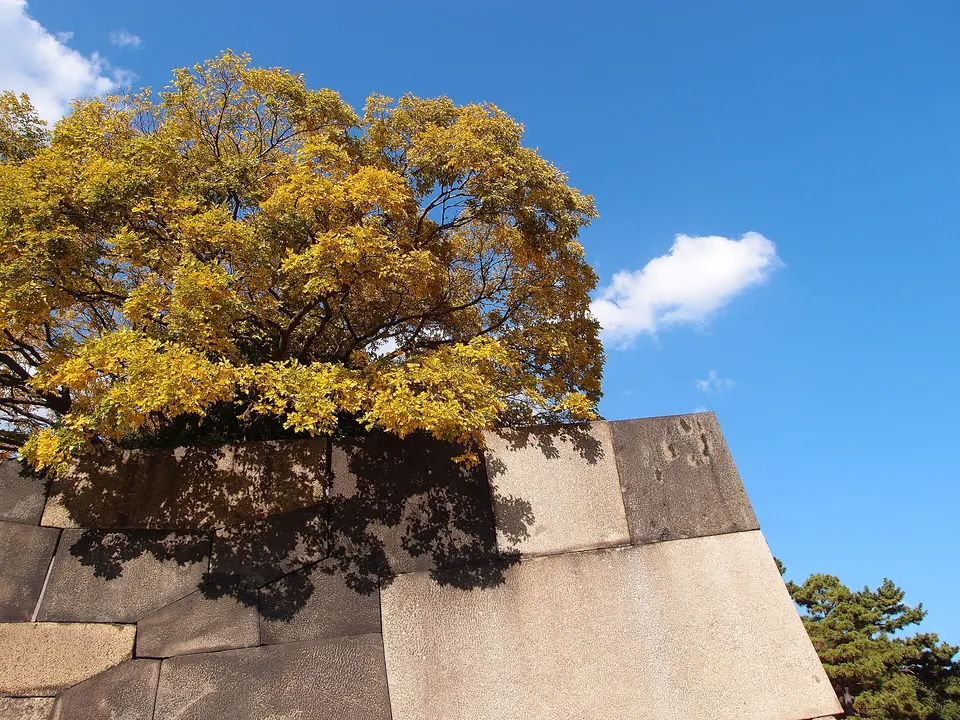
Walk through the publicly accessible gardens and remnants of Edo Castle, including stone walls and the former keep platform. This visit covers the East Gardens, not the palace residence or a separately arranged palace tour.
Midday
Afternoon

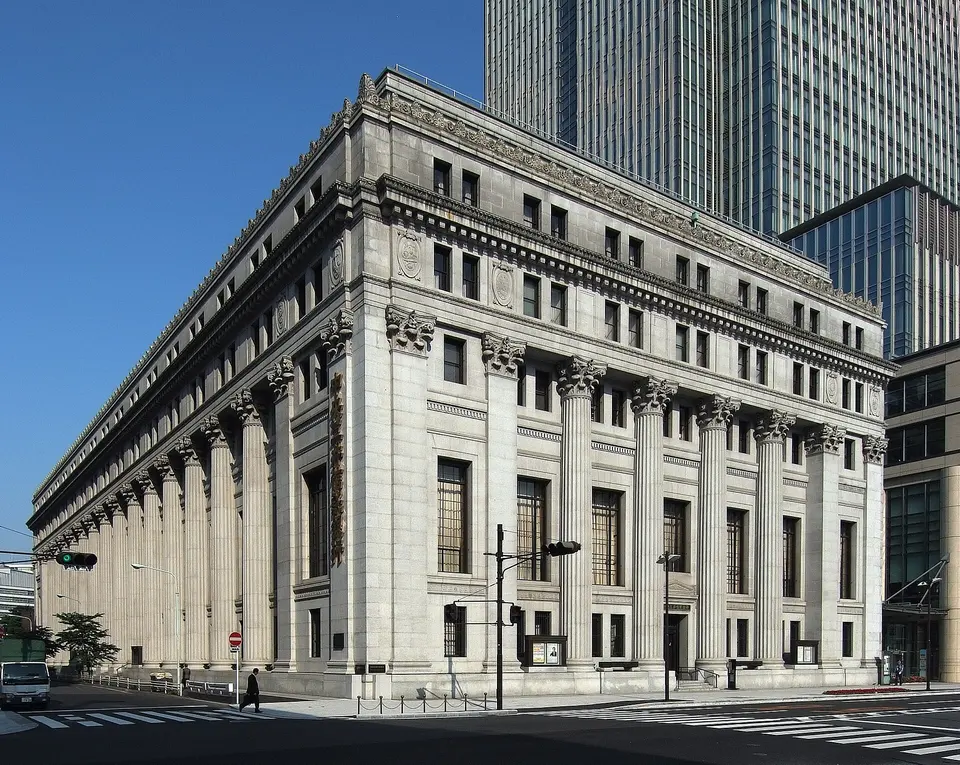
The museum in Nihonbashi presents changing exhibitions of Japanese and East Asian art. Choose the current display for a focused visit; the collection is not permanently on view in its entirety.

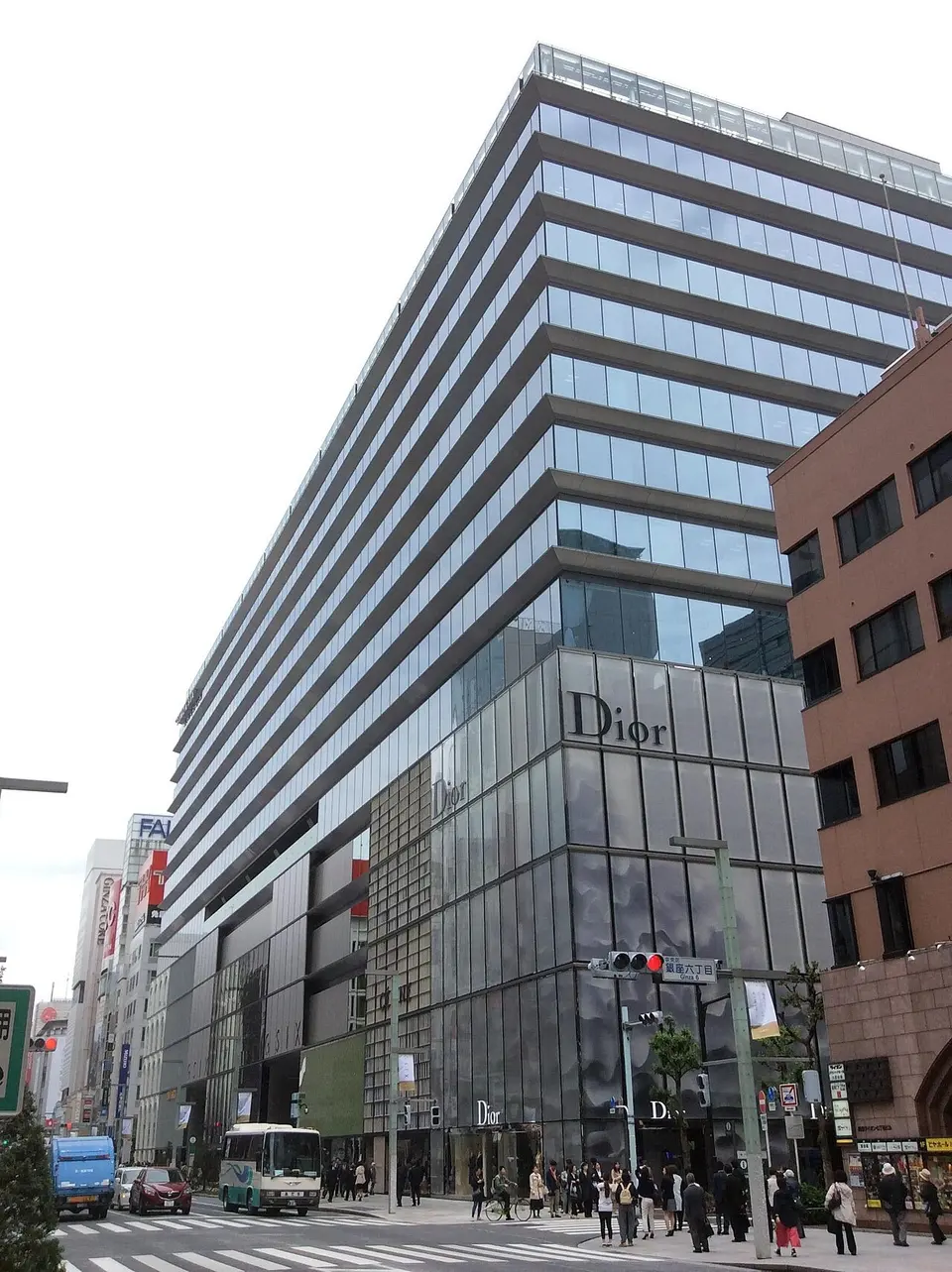
Use Ginza Six as a starting point for an unhurried look at the shops, design and streets of central Ginza. Shopping is optional, and the visit does not depend on a performance or a particular rooftop event.
Evening
Before you go
Questions
Three full days give you a focused introduction to the neighbourhoods in this route. Tokyo is much larger than this selection; add days for more museums, nightlife, shopping or trips outside the city.
Walk within the sightseeing areas and use trains between them. The listed walking distance excludes the marked transfers, station interiors and travel from your accommodation.
No. Choose Skytree for the eastern-city day or Shibuya Sky for the western-city day, then use the other visit’s time for the surrounding neighbourhood or museum. Avoid buying both before deciding what interests you.
No. It covers the public East Gardens and Edo Castle remains. A palace tour is a different visit with its own arrangements.
The shrine, park and Shibuya day is the simplest starting point. Check each venue’s calendar around national holidays, and move the museum and East Gardens days accordingly.
More time or less
Keep exploring
THE TRIPWOA APP
Build days around what you love. Follow your route, find your next stop and keep the moments along the way.


A day that feels like you.
Places and coordinates: Wikidata and Tripwoa's open-data place catalog (Overture Maps Foundation, © OpenStreetMap contributors). Photos: Wikimedia Commons, credited on each image. Practical rules: the official sources linked in each note, checked in September 2026.
How this plan was made: Tripwoa's planner drafted the day order from real coordinates and typical visit times. Each stop was then reviewed, reordered where needed and rewritten with AI assistance. Walking distances are straight-line estimates, so allow a little extra time on real streets.