City itineraries · Japan
Fukuoka, day by day
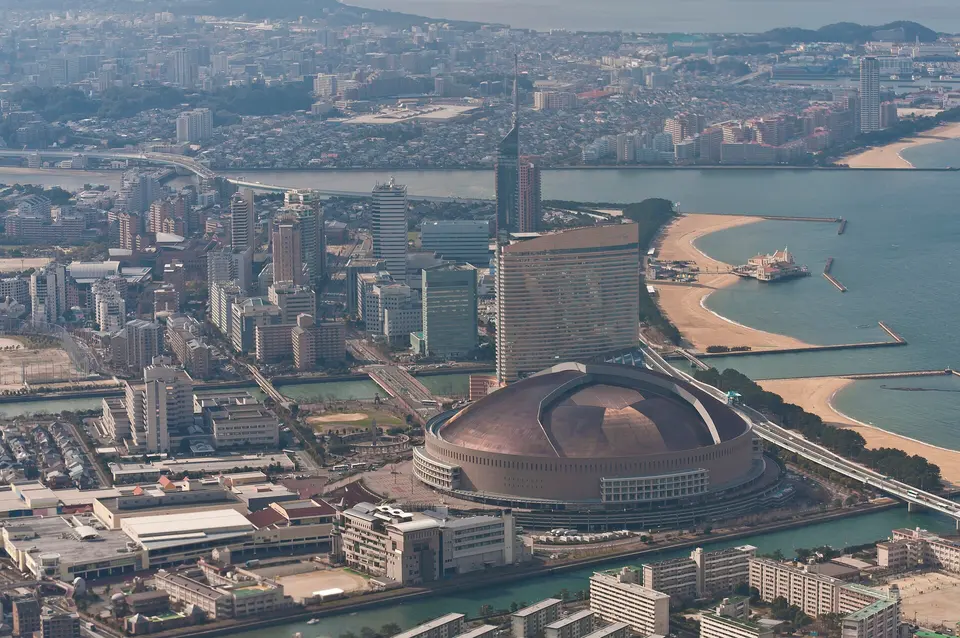
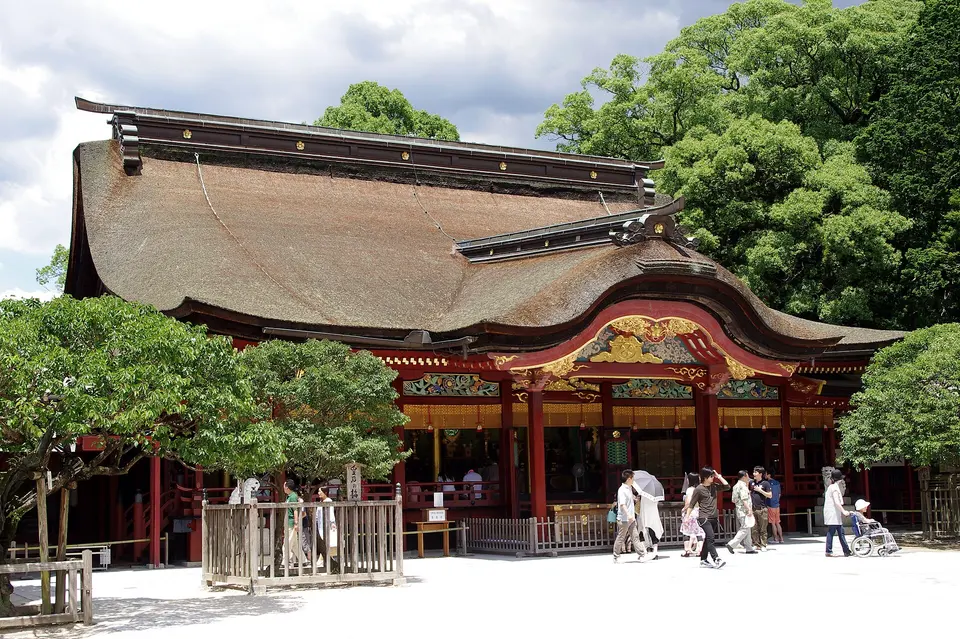
Fukuoka is Japan's friendliest big city: the merchant town of Hakata with its shrine and Zen temples, the yatai food stalls along the river at night, a castle park on a lake, a seaside tower and beach, and the shrine of the god of learning at Dazaifu a half-hour train ride away. Start with three days that walk Hakata and Tenjin, go out to Dazaifu and the reclining Buddha, and end on the bay, with the 2026 prices and hours the museums and railways publish.
Updated 12 September 2026 · 8 official sources checked · report an error
Choose your length
3 days in Fukuoka
Before you go
Good to know in Fukuoka
Tickets and opening days
- The Kyushu National Museum is open 9:30–17:00 with last entry at 16:30, extended on Saturdays to 19:00 during special exhibitions, and closed on Mondays (or the following working day when Monday is a public holiday); the Cultural Exchange Exhibition costs ¥700 for adults and ¥350 for university students, and visitors under 18 enter free.Source: Kyushu National Museum, visit · checked Sep 2026
Getting around
- The Fukuoka City Subway one-day pass costs ¥640 for adults and ¥320 for children and allows unlimited rides on all three lines for one calendar day.Source: Fukuoka City Subway, one-day pass · checked Sep 2026
Keep exploring